






Drone Education for Kids: What Parents and Teachers Actually Need to Know
A few years ago, drones were a hobbyist thing. Expensive, fiddly, mostly for adults who liked gadgets. Not anymore. They’re in classrooms now. Science fairs. The odd birthday list. You can even...

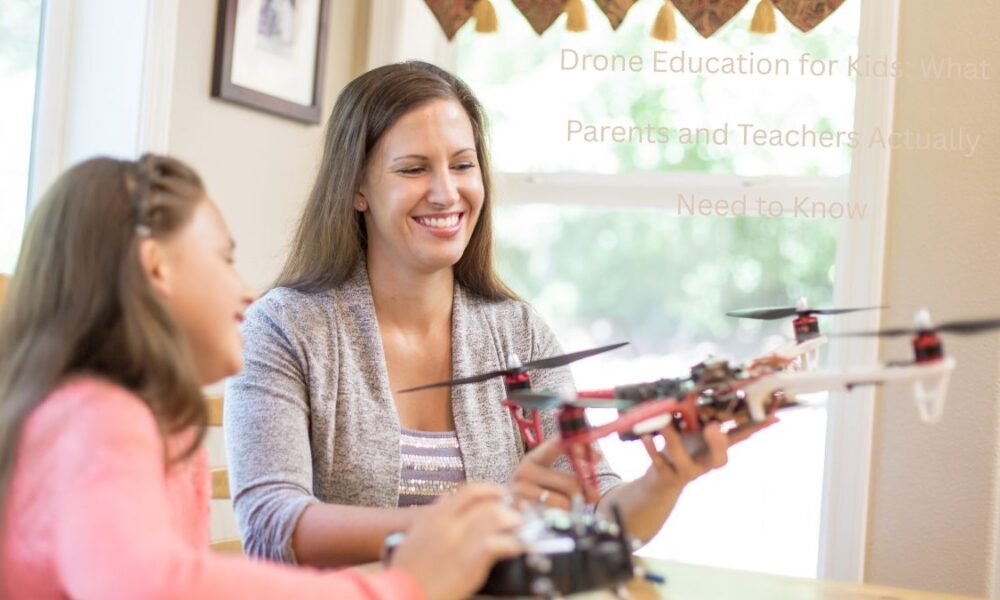
Table Of Content
A few years ago, drones were a hobbyist thing. Expensive, fiddly, mostly for adults who liked gadgets. Not anymore. They’re in classrooms now. Science fairs. The odd birthday list. You can even talk to someone and learn from basic to even first-person views, taking you through the exceptional views and stories.
And the reason is pretty simple once you’ve watched a kid with one. A little flying machine does something a worksheet can’t — it makes science feel like play instead of a chore.
However, drone lessons and practical classes can be expensive. But you can manage these with the help of your savings and even use loans. If your credibility is on the line, then utilise a bad credit personal loan through the online mode. And this is how you can make a difference in your finances and get multiple advantages ahead.
So here’s the practical stuff: what it involves, when to start, how not to mess it up.
Why it works on young learners?
Kids learn by doing. We all know that, but a drone makes it almost embarrassingly obvious.
Push the stick wrong, and it veers into the curtains. Correct it, it steadies. That little loop try, fail, fix, try again is basically the whole engine of learning, happening in real time, in front of them.
It also smuggles in a load of subjects without anyone noticing:
- Physics, the visible kind lift and thrust and gravity all fighting it out
- Maths, quietly: distance, angles, how long the battery lasts
- Coding, later on, with the programmable models
- Mapping and geography, if there’s a camera involved
- Patience. Which, let’s be honest, is the hardest one on this list to teach
Teachers keep telling me the same thing. The kid who zones out during a textbook lesson? The same kid will spend forty minutes working out why the drone keeps drifting left.
So what age?
No clean answer here. But roughly
- 4 to 6 — Toy drones with auto-hover. Indoors. Supervised. Short go’s.
- 7 to 10 — Proper little beginner quadcopters. This is the good age, the one where flying actually clicks.
- 11 and up — Programmable stuff. Block coding first, then Python. Build kits if they’re keen.
Under four, honestly, just let them press the land button and be amazed. The wonder shows up early. The thumbs catch up later. So you can start introducing things from the age of 4 through storytelling and even live workshops. Gradually you can see if they take interest and gradually customise lessons for them with the help of experts.
Safety Non-negotiable!
This is the bit parents worry about, and they should.
A drone is fun, sure. It also has spinning blades, and it leaves the ground. Treat that seriously from day one, and the whole thing stays fun. Get casual about it and you’ll have a bad afternoon.
The rules I’d never skip:
- First flights happen indoors, or somewhere open with nobody around
- Safety glasses. Tiny propellers, small eyes it’s worth the fiver
- An adult in the room. Every flight. Younger kids especially.
- Drill the “land it before you walk up to it” habit early, before bad instincts form
- Check your aviation authority. The UK is the CAA, the US is the FAA, and others vary. Weight limits and registration rules catch people out, even on small drones.
That last one trips up more families than you’d think. The rules differ by country, and they get updated. Two minutes of checking before you buy saves a headache after.
Picking the first one!
Good news that you don’t need to spend much.
The best beginner drone is a cheap one that can take a beating. Because it will hit a wall. Many times. On day one.
What to look for:
- Propeller guards. For kids these aren’t a nice-to-have; they’re the whole point
- Altitude hold — so it roughly stays put when little hands let go
- Light. Under 250g often sidesteps the stricter rules, but check; don’t assume
- One-button takeoff and land
- Spare props in the box. They snap. You’ll be glad of the spares.
Leave the camera drones for later. They’re pricier, twitchier, faster — everything a beginner doesn’t want. A kid needs to feel in control first. The aerial photography can wait.
Making it actual learning, not just flying!
Owning the drone is the easy part. What you do with it is where the learning lives.
A handful of activities that need no extra kit:
- Obstacle runs. Cushions, boxes, a stopwatch. They absorb distance and control without realising it’s a lesson.
- Mission cards. “Hover ten seconds.” “Land on the red mat.” Little targets keep them locked in.
- Battery logs for the older ones — jotting down flight times. Sneaky data collection, dressed up as a game.
- Code a route. Programmable drones, simple command sequences. For a lot of kids, this is the exact moment coding stops being abstract.
The real trick is giving each go a tiny point to it. “Go play” wears off in minutes. “Land it inside the hula hoop three times in a row; that’ll keep them busy past dinner.”
The mistakes that come up a lot!
Same handful, over and over. Easy to dodge once you’ve heard them:
- Buying too advanced too soon. Kid gets fed up. The drone goes in the drawer. The end.
- A windy first flight outdoors. Nothing humbles a beginner faster than a gust.
- Ignoring the manual. Dull, yes. But it’s usually got the calibration step that fixes the mystery drift everyone complains about.
- Hovering too much over the child. Let them crash. The crash isn’t the failure — the fixing is the lesson.
None of these are catastrophes. Speed bumps, really. Just nice to know they’re coming.
Where this can actually go?
It’s tempting to file a drone under “toy” and leave it there. But look at where the skills point.
Drones run through agriculture now. Filmmaking. Search and rescue. Deliveries, surveying, disaster response. The pilots and engineers in those fields are a fair few; they started precisely here. A curious kid. A cheap quadcopter. Somebody patient are standing nearby.
You’re probably not raising the next aerospace engineer. That’s fine. What you’re handing over is early, easy comfort with technology, a feel for space and movement, and the habit of staying calm when something won’t work. That stuff travels. It helps in almost anything they end up doing.
A no-stress way to start!
If you’re staring at all this, unsure where to begin, shrink it right down:
- One durable beginner drone, prop guards on
- Read the manual together and calibrate it
- First flight indoors, watched, ten minutes tops
- One mini-challenge each session after that
- Camera and coding models only once the basics feel boringly easy
You don’t need a big budget. You don’t need to be techy yourself. A bit of floor space, a watchful adult, and the nerve to let a kid get it slightly wrong before they get it right.
Do that much, and the flying sorts itself out. So does the learning.







No Comment! Be the first one.