






A Complete Guide to Choosing the Right Bearings for Your Machinery
Selecting the right bearings is one of the most important decisions when maintaining or designing industrial machinery. Bearings help machines operate smoothly by reducing friction, supporting...

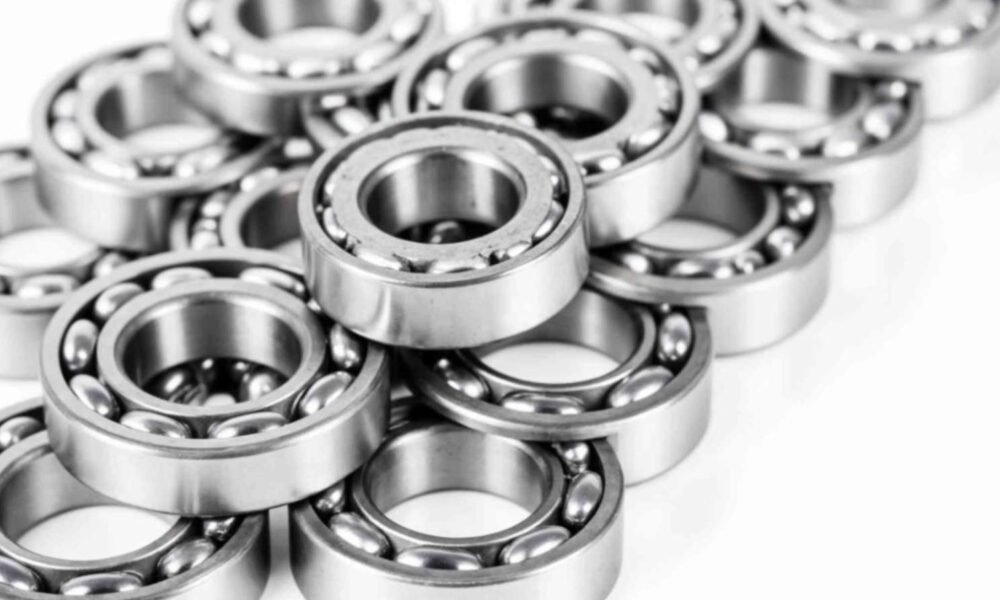
Selecting the right bearings is one of the most important decisions when maintaining or designing industrial machinery. Bearings help machines operate smoothly by reducing friction, supporting rotating parts, and improving overall efficiency. Choosing the correct bearing can increase equipment performance, reduce maintenance costs, and extend the lifespan of valuable machinery. Whether you work in manufacturing, construction, agriculture, mining, or automotive industries, understanding bearing selection is essential. Working with bearing suppliers in UAE also helps businesses access quality products that meet different industrial requirements.
Table Of Content
- Why Bearings Are Important in Machinery
- Understanding Different Types of Bearings
- Ball Bearings
- Roller Bearings
- Needle Bearings
- Thrust Bearings
- Factors to Consider When Choosing Bearings
- Load Requirements
- Operating Speed
- Working Environment
- Temperature Conditions
- Space Availability
- Benefits of Choosing High-Quality Bearings
- Improved Equipment Performance
- Longer Machinery Life
- Lower Maintenance Requirements
- Greater Energy Efficiency
- Enhanced Workplace Productivity
- Choosing the Right Bearing Material
- Chrome Steel
- Stainless Steel
- Ceramic Bearings
- Importance of Proper Bearing Lubrication
- Proper Installation Makes a Difference
- Routine Inspection Supports Better Performance
- Industries That Depend on Bearings
- Manufacturing
- Construction
- Agriculture
- Mining
- Automotive
- Common Mistakes to Avoid
- How Expert Guidance Helps
- Final Thought
Why Bearings Are Important in Machinery
Bearings are essential components found in almost every machine with moving parts. Their primary purpose is to reduce friction between rotating surfaces while supporting loads efficiently. Without high-quality bearings, machinery would experience excessive wear, higher energy consumption, and reduced productivity.
The right bearing contributes to better machine stability, smoother operation, and consistent performance. It also minimizes vibration and noise, allowing equipment to function more effectively for extended periods.
Businesses that invest in quality bearings often experience fewer operational interruptions and greater long-term savings through reduced maintenance requirements.
Understanding Different Types of Bearings
Every machine has unique operating conditions. Different bearing designs are created to meet specific performance needs.
Ball Bearings
Ball bearings are among the most commonly used bearings across multiple industries. They are suitable for applications involving moderate loads and high rotational speeds.
Their advantages include:
- Smooth and quiet operation
- High-speed capability
- Low friction
- Long service life
- Easy installation
Ball bearings are frequently used in electric motors, pumps, conveyors, fans, and household equipment.
Roller Bearings
Roller bearings are designed to carry heavier loads compared to ball bearings. Their larger contact area distributes pressure more evenly.
Benefits include:
- Excellent load capacity
- Increased durability
- Stable operation
- Better performance in demanding industrial environments
These bearings are widely used in heavy machinery, mining equipment, and construction applications.
Needle Bearings
Needle bearings use long, thin rollers that provide excellent load support while occupying minimal space.
Advantages include:
- Compact design
- High load capacity
- Efficient space utilization
- Reliable performance
They are commonly found in automotive transmissions and industrial machinery with limited installation space.
Thrust Bearings
Thrust bearings are specifically designed to handle axial loads.
Key benefits include:
- Smooth axial movement
- Improved stability
- Reliable support for vertical loads
- Enhanced equipment performance
These bearings are often used in gearboxes, machine tools, and rotating equipment.
Factors to Consider When Choosing Bearings
Choosing the proper bearing requires evaluating several operating conditions.
Load Requirements
One of the first considerations is the amount of load the bearing must support.
There are generally two types of loads:
- Radial loads
- Axial loads
Some machinery experiences both simultaneously. Selecting bearings designed for the expected load ensures reliable operation and longer service life.
Operating Speed
Different bearings perform differently at various rotational speeds.
Machines operating at high speeds require bearings that generate minimal friction while maintaining stability. Choosing the correct bearing improves efficiency and reduces heat generation during continuous operation.
Working Environment
Environmental conditions significantly influence bearing performance.
Consider factors such as:
- Dust
- Moisture
- Heat
- Chemicals
- Outdoor exposure
Choosing bearings suitable for the operating environment helps maintain consistent performance while extending equipment lifespan.
Temperature Conditions
Some machinery operates under extremely high or low temperatures.
Bearings selected for these environments should be capable of maintaining performance despite temperature variations. Proper material selection improves durability and reduces maintenance needs.
Space Availability
Machine design often limits the available installation space.
Compact bearings may be necessary where space is restricted, while larger bearings may provide increased load capacity in larger equipment.
Selecting the right size ensures proper installation and efficient machine operation.
Benefits of Choosing High-Quality Bearings
High-quality bearings provide many advantages across industrial applications.
Improved Equipment Performance
Quality bearings allow machines to operate smoothly with reduced friction.
This leads to:
- Better productivity
- Consistent performance
- Efficient power transmission
- Stable machine operation
Longer Machinery Life
Reducing friction decreases wear on moving components.
As a result, machinery remains operational for longer periods while maintaining excellent performance.
Lower Maintenance Requirements
Reliable bearings help reduce unexpected breakdowns.
This means:
- Less downtime
- Fewer repairs
- Improved operational planning
- Better maintenance scheduling
Greater Energy Efficiency
Smooth rotation reduces resistance within the machine.
Lower friction means motors require less energy, contributing to improved efficiency and lower operating costs.
Enhanced Workplace Productivity
Reliable machinery allows employees to complete tasks without unnecessary interruptions.
Consistent equipment performance helps businesses maintain production schedules while improving overall operational efficiency.
Choosing the Right Bearing Material
Bearing materials influence durability and overall performance.
Chrome Steel
Chrome steel is widely used because it offers:
- Excellent strength
- Good wear resistance
- Long service life
- Reliable performance
Stainless Steel
Stainless steel bearings are ideal for environments requiring corrosion resistance.
Benefits include:
- Resistance to moisture
- Hygienic properties
- Long-lasting performance
- Reduced corrosion
Ceramic Bearings
Ceramic bearings provide several advanced advantages.
These include:
- Lightweight construction
- High-speed performance
- Excellent heat resistance
- Reduced friction
They are commonly selected for specialized industrial and high-performance applications.
Importance of Proper Bearing Lubrication
Lubrication plays a vital role in bearing performance.
Proper lubrication helps:
- Reduce friction
- Minimize wear
- Prevent overheating
- Improve efficiency
- Extend service life
Choosing suitable lubricants based on operating conditions helps maintain consistent bearing performance throughout the equipment’s operating cycle.
Regular lubrication also contributes to smoother operation and lower maintenance costs.
Proper Installation Makes a Difference
Even the highest-quality bearing requires proper installation.
Correct installation ensures:
- Proper alignment
- Balanced load distribution
- Smooth rotation
- Maximum efficiency
Using appropriate installation techniques helps prevent premature wear while supporting long-term machine reliability.
Professional installation practices also reduce the likelihood of operational issues later.
Routine Inspection Supports Better Performance
Regular inspections help maintain machinery in excellent condition.
Routine checks allow maintenance teams to verify:
- Bearing condition
- Lubrication levels
- Operating temperature
- Noise levels
- Overall machine performance
Preventive inspections support continuous production while maximizing equipment availability.
Industries That Depend on Bearings
Bearings play an essential role in numerous industries worldwide.
Manufacturing
Production machinery depends on reliable bearings for continuous operation and precision manufacturing.
Construction
Heavy equipment uses durable bearings to handle demanding workloads while maintaining efficiency.
Agriculture
Agricultural equipment relies on bearings for smooth operation during planting, harvesting, and processing activities.
Mining
Mining machinery requires robust bearings capable of performing under challenging operating conditions.
Automotive
Vehicles contain numerous bearings that support engines, transmissions, wheels, and other moving systems.
Common Mistakes to Avoid
Making informed decisions helps maximize bearing performance.
Some positive practices include:
- Selecting the correct bearing type
- Matching bearing size to the application
- Using appropriate lubrication
- Following proper installation procedures
- Performing regular maintenance inspections
Following these practices contributes to improved equipment reliability and consistent industrial performance.
How Expert Guidance Helps
Selecting bearings becomes much easier when technical specifications are properly understood.
Experienced professionals can help identify suitable options based on:
- Load capacity
- Speed requirements
- Environmental conditions
- Machine design
- Expected operating hours
This ensures the selected bearing delivers dependable performance while supporting long-term operational efficiency.
Final Thought
Choosing the right bearings is an investment in the performance, reliability, and longevity of your machinery. Understanding bearing types, materials, operating conditions, lubrication, and installation methods allows businesses to make informed decisions that improve productivity and reduce maintenance requirements. High-quality bearings contribute to smoother operation, greater efficiency, and longer equipment life across a wide range of industries. By working with experienced bearing suppliers and selecting products suited to your specific applications, businesses can enjoy dependable machinery performance and long-term operational success.







No Comment! Be the first one.