







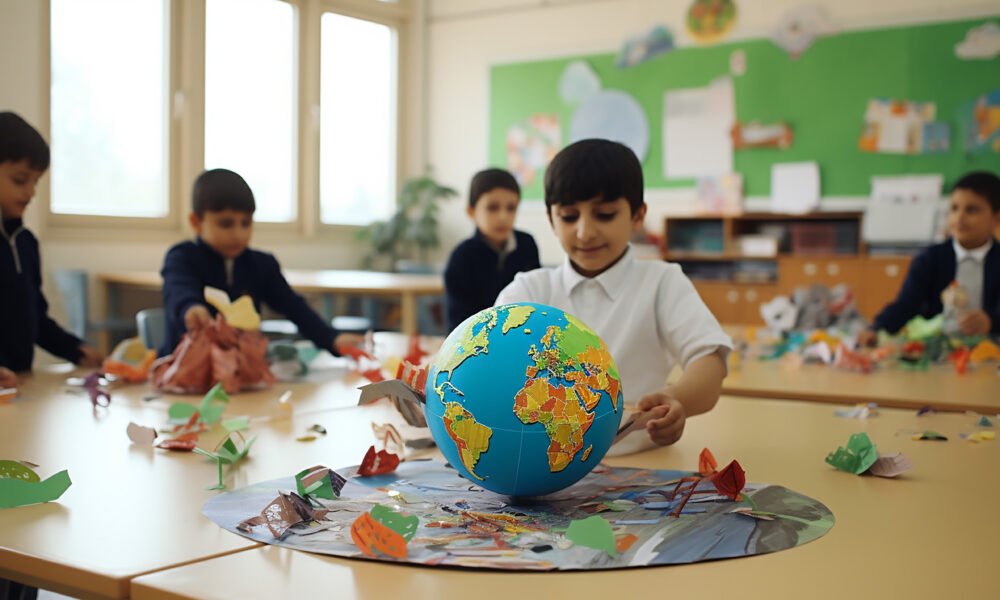
The first few years of a child’s life are filled with incredible growth, curiosity, and discovery. Every interaction, experience, and activity contributes to cognitive, emotional, physical, and social development. Parents naturally seek an environment where children can explore safely while gaining the confidence to learn independently. Choosing a nursery Dubai Marina is often one of the most important decisions families make when planning a child’s educational journey because it lays the groundwork for future academic and personal success.
Table Of Content
- Why Early Childhood Education Matters
- The Role of Play in Learning
- Learning Through Exploration
- Building Social Skills
- Encouraging Independence
- Creating a Safe and Positive Learning Environment
- Developing Communication Skills
- Supporting Emotional Growth
- Recognizing Emotions
- Building Confidence
- Developing Resilience
- Encouraging Physical Development
- Inspiring Creativity
- Introducing Early Academic Concepts
- Early Literacy
- Early Mathematics
- The Importance of Qualified Educators
- Strengthening Parent Partnerships
- Developing Healthy Daily Habits
- Preparing for Primary School
- Confidence
- Independence
- Curiosity
- Adaptability
- Choosing the Right Learning Environment
- Final Thought
Why Early Childhood Education Matters
The whole child by encouraging creativity, communication, emotional intelligence, and problem-solving skills.
Children who participate in structured early learning programs often develop stronger language abilities, improved concentration, and greater confidence in social situations. These early experiences create habits and attitudes that support lifelong learning.
A nurturing environment also helps children become comfortable with routines, making the transition to formal schooling smoother and less stressful.
The Role of Play in Learning
Learning Through Exploration
Young children learn best through active experiences rather than passive instruction. Hands-on activities encourage them to investigate, experiment, and discover new concepts naturally.
Simple activities like building blocks, puzzles, water play, and pretend games introduce mathematical thinking, scientific curiosity, and creative expression without making learning feel like a lesson.
Building Social Skills
Play encourages children to cooperate, negotiate, and communicate with others. Working together on games and creative projects teaches patience, empathy, sharing, and teamwork.
These valuable interpersonal skills continue to benefit children throughout school and adulthood.
Encouraging Independence
Giving children opportunities to make age-appropriate decisions helps develop confidence and responsibility. Choosing activities, organizing toys, and completing simple tasks independently strengthens their sense of achievement.
Creating a Safe and Positive Learning Environment
Children thrive when they feel secure and valued.
A well-designed learning environment includes:
- Bright and engaging classrooms
- Safe indoor and outdoor play areas
- Child-friendly learning materials
- Organized daily routines
- Positive interactions with educators
Consistency provides children with emotional security while encouraging them to explore new experiences confidently.
Developing Communication Skills
Language development begins long before children start reading.
Daily conversations, storytelling, songs, and interactive discussions help expand vocabulary and improve listening skills.
Teachers also encourage children to express feelings, ask questions, and share ideas with confidence.
These communication skills become essential for academic success and healthy relationships.
Supporting Emotional Growth
Recognizing Emotions
Young children experience many emotions but often need guidance in understanding and expressing them.
Educators help children identify feelings such as happiness, frustration, excitement, and disappointment while teaching healthy ways to manage emotions.
Building Confidence
Celebrating achievements—both big and small—encourages children to believe in their abilities.
Positive reinforcement motivates children to try new activities without fear of making mistakes.
Developing Resilience
Challenges are part of learning.
Children gradually learn that setbacks provide opportunities to improve, strengthening perseverance and problem-solving abilities.
Encouraging Physical Development
Physical activity supports healthy growth while improving coordination and balance.
Daily movement activities may include:
- Outdoor games
- Running and jumping
- Dance sessions
- Obstacle courses
- Ball activities
- Fine motor exercises
- Art and craft projects
Fine motor development also prepares children for future writing, drawing, and self-care tasks.
Inspiring Creativity
Creative expression allows children to explore their imagination freely.
Art, music, storytelling, drama, and imaginative play encourage innovation while strengthening communication and critical thinking skills.
Children gain confidence when they create something unique using their own ideas.
Introducing Early Academic Concepts
Young learners benefit from gentle exposure to foundational concepts.
These may include:
Early Literacy
Children become familiar with:
- Storybooks
- Rhyming words
- Alphabet recognition
- Listening comprehension
- Vocabulary building
Early Mathematics
Everyday activities introduce:
- Counting
- Shapes
- Patterns
- Sorting
- Comparing quantities
- Simple measurements
Learning remains enjoyable by integrating these concepts into games and daily routines.
The Importance of Qualified Educators
Experienced educators understand how children learn at different developmental stages.
They observe individual strengths, identify areas where additional support may be helpful, and adapt activities accordingly.
Their encouragement creates an environment where every child feels respected and motivated to participate.
Strengthening Parent Partnerships
Successful early education relies on strong communication between educators and families.
Parents appreciate regular updates about:
- Learning progress
- Daily activities
- Social development
- Milestone achievements
- Areas for continued growth
When families remain actively involved, children experience greater consistency between home and school.
Developing Healthy Daily Habits
Early childhood settings encourage routines that promote independence and well-being.
Children gradually learn to:
- Wash hands independently
- Organize personal belongings
- Follow classroom routines
- Practice good manners
- Respect shared spaces
- Make healthy choices
These habits contribute to personal responsibility throughout life.
Preparing for Primary School
School readiness extends beyond academic preparation.
Children benefit from developing:
Confidence
Children who feel secure are more willing to participate in classroom activities and build friendships.
Independence
Managing personal tasks prepares children for increased responsibility.
Curiosity
A love of learning encourages children to ask questions and explore new ideas with enthusiasm.
Adaptability
Learning how to adjust to new environments makes future educational transitions much easier.
Choosing the Right Learning Environment
Every child has unique interests, learning styles, and developmental needs.
Families should consider several factors before making a decision, including educational philosophy, teacher qualifications, classroom atmosphere, safety practices, learning resources, communication with parents, and opportunities for creative exploration.
Visiting the learning environment, observing interactions, and speaking with educators provide valuable insight into how children are supported throughout the day.
Final Thought
A strong early childhood experience shapes the way children think, communicate, solve problems, and interact with the world around them. By providing a caring environment, engaging learning opportunities, and meaningful relationships, early education helps children develop confidence that extends well beyond their preschool years. Whether families are comparing educational approaches or planning for the future, selecting a quality nursery JBR can be an important step toward supporting lifelong learning, personal growth, and academic success.







No Comment! Be the first one.