






Common Lighting Mistakes and How to Avoid Them
Lighting has the power to transform an interior, yet it is often one of the last elements considered during home design. Many homeowners focus on furniture, flooring, wall finishes, and décor while...

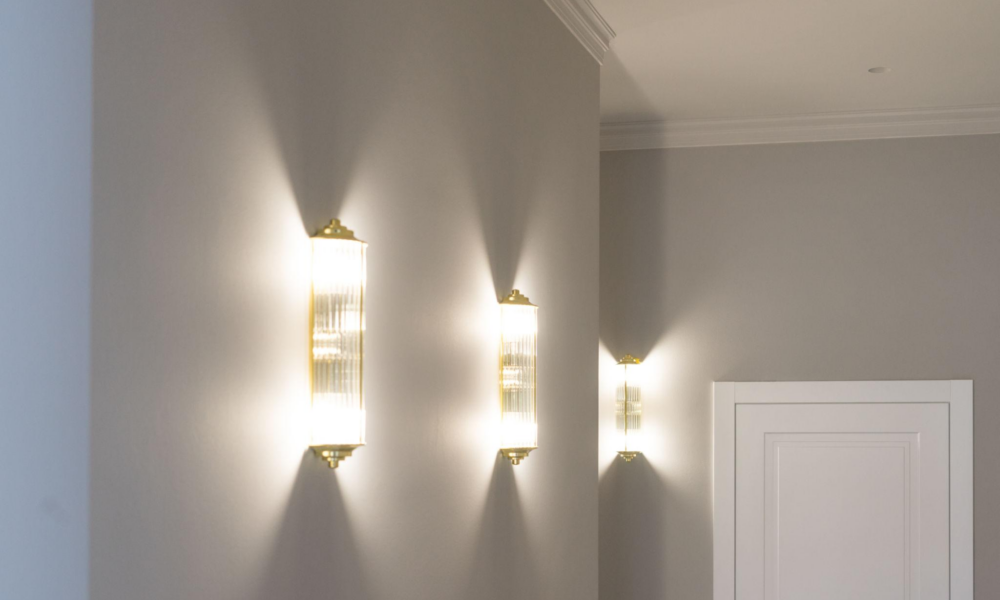
Lighting has the power to transform an interior, yet it is often one of the last elements considered during home design. Many homeowners focus on furniture, flooring, wall finishes, and décor while overlooking how illumination influences the appearance and functionality of every room. Even beautifully designed interiors can feel uncomfortable if the lighting is poorly planned.
Table Of Content
- Relying on a Single Light Source
- Layer Different Types of Lighting
- Choosing the Wrong Fixture Size
- Maintain Visual Balance
- Ignoring Natural Daylight
- Using the Wrong Colour Temperature
- Match Lighting to Room Function
- Poor Placement of Fixtures
- Forgetting About Dimmers
- Flexible Lighting Creates Better Living Spaces
- Overlooking Decorative Impact
- Neglecting Layered Illumination
- Highlight Important Features
- Misjudging Living Room Requirements
- Think About Daily Routines
- Prioritising Style Over Function
- Conclusion
The good news is that most lighting mistakes are easy to avoid with thoughtful planning. Understanding how different fixtures work together, selecting the right brightness, and considering the purpose of each room can dramatically improve both comfort and aesthetics. Whether designing a new home or updating an existing space, avoiding these common errors will help create interiors that feel balanced, welcoming, and timeless.
Relying on a Single Light Source
One of the most common mistakes is depending entirely on one ceiling fixture to illuminate an entire room.
While a central light provides general brightness, it often creates harsh shadows and uneven illumination. Corners remain dark, decorative features go unnoticed, and the room may feel flat rather than inviting.
Instead of depending on one fixture, combine multiple sources of light that serve different purposes.
Layer Different Types of Lighting
A well-designed space includes ambient, task, and accent lighting working together.
Ambient lighting provides overall brightness, task lighting supports activities such as reading or cooking, and accent lighting highlights artwork, shelving, or architectural details.
Layering these elements creates depth while allowing the room to adapt to different occasions.
Choosing the Wrong Fixture Size
The size of a light fixture has a significant impact on the overall appearance of a room.
A fixture that is too small may seem insignificant within a spacious interior, while an oversized design can overwhelm the surrounding furniture and décor.
Before selecting lighting, measure the room carefully and consider ceiling height, furniture placement, and the proportions of nearby architectural features.
Maintain Visual Balance
Lighting should complement the room rather than dominate it.
Proportionate fixtures contribute to a harmonious design where every element feels connected and thoughtfully arranged.
Balanced scale also improves the effectiveness of light distribution.
Ignoring Natural Daylight
Natural light changes throughout the day and should always be considered during lighting design.
Rooms with large windows often require less artificial illumination during daylight hours, while spaces with limited natural light benefit from additional layered fixtures.
Planning artificial lighting without considering daylight may result in excessive brightness or insufficient illumination during different times of the day.
Using the Wrong Colour Temperature
Light colour affects both appearance and atmosphere.
Cool white illumination often works well in task-oriented spaces, while warmer tones create a more comfortable environment for relaxation.
Using inconsistent colour temperatures throughout connected rooms can make the home feel visually disconnected.
Match Lighting to Room Function
Bedrooms and living areas generally benefit from warmer illumination, whereas kitchens, utility rooms, and home offices often require brighter, cooler lighting for improved visibility.
Choosing suitable colour temperatures enhances both comfort and functionality.
Poor Placement of Fixtures
Even high-quality lighting performs poorly when installed in the wrong location.
Fixtures positioned too high, too low, or away from important activity areas reduce effectiveness while creating uncomfortable shadows.
Dining tables, reading corners, kitchen worktops, and entrance areas all require carefully planned lighting positions.
Correct placement improves visibility while maintaining visual symmetry throughout the room.
Forgetting About Dimmers
Many homeowners install lighting with only one brightness level.
This limits flexibility and may result in spaces that feel too bright during the evening or too dim during daytime activities.
Installing dimmers allows lighting to adapt easily to different situations, improving both comfort and energy efficiency.
Flexible Lighting Creates Better Living Spaces
Adjustable brightness allows one room to serve multiple purposes.
The same space can transition from productive daytime activities to relaxed evening gatherings simply by changing the light intensity.
This versatility makes interiors more practical throughout the day.
Overlooking Decorative Impact
Lighting should not be viewed solely as a functional necessity.
Fixtures also contribute significantly to the overall design by acting as decorative focal points that complement furniture, colours, and architectural details.
Many homeowners exploring Chandeliers In Dubai choose statement lighting that not only illuminates a room but also enhances its visual character, creating a sophisticated centrepiece that elevates the entire interior.
Selecting fixtures that balance beauty with practicality ensures lasting appeal.
Neglecting Layered Illumination
Rooms often feel incomplete when only one type of lighting is installed.
Layered lighting introduces variety, comfort, and greater control over the atmosphere.
Wall-mounted fixtures, table lamps, floor lamps, recessed lighting, and decorative accents all contribute to a more balanced environment.
Highlight Important Features
Artwork, textured walls, display shelving, and architectural details deserve dedicated lighting.
Accent illumination creates visual depth while drawing attention to features that might otherwise remain unnoticed.
Subtle highlights often produce the most elegant results.
Misjudging Living Room Requirements
The living room serves many purposes, including relaxing, entertaining guests, reading, and spending time with family.
Using identical lighting throughout the room rarely supports all these activities effectively.
Well-planned Living Room Lighting/اضاءة غرف المعيشة combines ambient illumination with task and accent fixtures, allowing homeowners to create different moods while maintaining comfort and visual balance.
This flexibility makes the room more enjoyable throughout the day and evening.
Think About Daily Routines
Lighting should support the way the room is actually used.
Reading areas require focused illumination, entertainment spaces benefit from softer lighting, and conversation areas often feel more inviting with warm, indirect light.
Designing around daily habits improves both convenience and comfort.
Prioritising Style Over Function
While attractive fixtures enhance interior design, appearance should never come at the expense of practicality.
Lighting should provide adequate brightness, minimise glare, and support everyday activities while complementing the surrounding décor.
The most successful lighting designs achieve both visual elegance and dependable functionality.
Conclusion
Avoiding common lighting mistakes begins with careful planning and a clear understanding of how each room functions. By selecting appropriately sized fixtures, layering different light sources, considering natural daylight, and choosing suitable colour temperatures, homeowners can create interiors that feel comfortable, balanced, and visually appealing.
Thoughtful lighting enhances every aspect of a home, from improving daily activities to highlighting architectural beauty. With the right approach, lighting becomes far more than a practical necessity—it becomes an essential design element that brings warmth, elegance, and lasting value to every room.






No Comment! Be the first one.