






10 Recyclable Packaging Materials for Better Shipping
Packaging has changed a lot over the last few years. It isn’t just about getting a parcel from one place to another anymore. Customers now notice the box, the wrapping and even how easy...

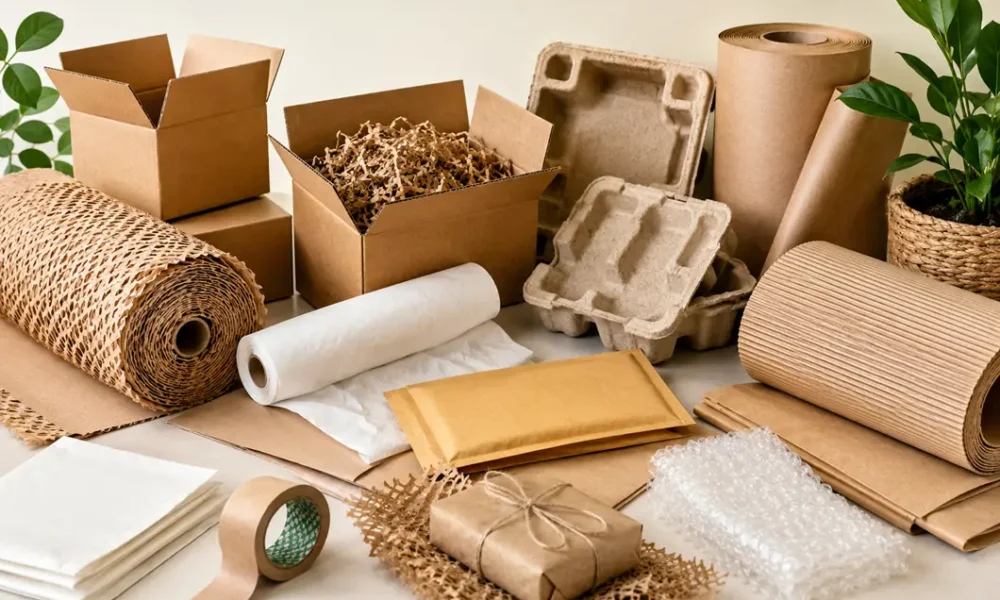
Packaging has changed a lot over the last few years. It isn’t just about getting a parcel from one place to another anymore. Customers now notice the box, the wrapping and even how easy everything is to recycle once the order has been opened. That’s why recyclable packaging materials have become a sensible business choice rather than simply an environmental trend. They protect products during transit, reduce waste, and often leave customers with a better impression of your business. When you choose the right materials from the beginning, you’re making shipping more efficient for yourself and disposal much easier for the person receiving the parcel.
Table Of Content
- What Does Recycling Mean in Packaging?
- Why Businesses Are Choosing Recyclable Packaging
- What Are the Best Recyclable Packaging Materials?
- 1. Corrugated Cardboard Boxes
- 2. Kraft Paper
- 3. Brown Parcel Paper
- 4. Honeycomb Paper Wrap
- 5. Book Wraps
- 6. Cardboard Postal Boxes
- 7. Corrugated Rolls
- 8. Parcel Wrap
- 9. Paper Void Fill
- 10. Paper Tape
- Which Material Is Right for You?
- Conclusion
What Does Recycling Mean in Packaging?
Most of us recycle at home without thinking twice, but it’s worth looking at what recycling means from a shipping perspective.
Imagine a cardboard box arriving at your customer’s doorstep. Once they’ve unpacked their order, that box doesn’t have to end its life in a bin. If it’s clean and dry, it can be collected, processed and turned into new paper products or fresh packaging. The same idea applies to many paper-based packing products used every day.
That simple cycle is what makes recyclable packaging so valuable. Instead of using materials once and throwing them away, you keep valuable resources in use for much longer.
Why Businesses Are Choosing Recyclable Packaging
Customer expectations have shifted. People still expect their orders to arrive safely, but many also notice whether the packaging is easy to recycle.
From a business perspective, recyclable materials solve more than one problem. They protect products while helping reduce unnecessary waste, and they show customers that practical decisions are being made throughout the shipping process.
Some of the biggest advantages include:
- Less packaging ending up in landfill.
- Easier recycling for customers.
- Reliable protection during transport.
- A more responsible approach to everyday shipping.
What Are the Best Recyclable Packaging Materials?
1. Corrugated Cardboard Boxes
If you’ve ever received an online order, chances are it arrived in a corrugated cardboard box. There’s a reason these boxes remain one of the most widely used shipping solutions. They offer impressive strength without adding excessive weight, making them suitable for everything from books to household products.
They’re particularly useful because they:
- Protect products against knocks.
- Stack safely during transport.
- Are widely recycled across the UK.
- Suit many different industries.
2. Kraft Paper
Kraft paper is one of those materials that quietly does several jobs at once. It can wrap products, fill empty spaces inside cartons or provide an extra layer between delicate items. Because it’s paper-based, customers can usually recycle it along with the outer box without separating materials.
It works especially well for:
- Filling empty spaces.
- Wrapping fragile products.
- Protecting polished surfaces.
- Everyday parcel packing.
3. Brown Parcel Paper
There are times when a box alone isn’t enough. That’s where brown parcel paper proves its value. It has been used for decades because it’s simple, dependable and easy to recycle. If you’re sending products with printed cartons or delicate surfaces, an extra layer of paper helps prevent scuffs without adding much weight.
You’ll find it useful for:
- Wrapping individual parcels.
- Protecting boxed products.
- Bundling several items together.
- Adding an extra protective layer.
4. Honeycomb Paper Wrap
If you’ve switched away from plastic cushioning, honeycomb paper wrap is worth considering. Once stretched, it forms a flexible paper structure that surprisingly well absorbs impacts from light. It also looks neat when customers open the parcel, enhancing the overall unboxing experience.
It is commonly chosen for:
- Glassware.
- Candles.
- Ceramics.
- Gift items.
5. Book Wraps
Books, diaries and catalogues don’t need bulky packaging, but they do need edge protection. Book wraps are designed to fold tightly around flat products so they stay secure and do not move during delivery. They are easy to recycle after use and help reduce unnecessary packaging.
They’re suitable for:
- Books.
- Catalogues.
- Printed documents.
- Stationery.
6. Cardboard Postal Boxes
Small postal boxes are a practical choice when you want a parcel to stay compact. They protect products well, are quick to assemble and can usually go straight into household recycling once they’ve been used.
Best suited for:
- Cosmetics.
- Electronics.
- Subscription products.
- Small retail items.
7. Corrugated Rolls
Not everything fits neatly into a box. Corrugated rolls are useful when you’re packing furniture parts, frames or awkwardly shaped products. Cut the amount you need, wrap the item, and secure it.
They’re ideal for:
- Furniture components.
- Picture frames.
- Metal parts.
- Long products.
8. Parcel Wrap
Some products benefit from one final layer before the carton is sealed. Parcel wrap helps protect surfaces from dust, scratches and minor handling marks. It’s especially useful when multiple items are packed together.
Use it for:
- Mixed orders.
- Delicate finishes.
- Retail parcels.
- Everyday shipping.
9. Paper Void Fill
Space inside a carton often causes more damage than people expect. Paper void fill keeps products from shifting during transport while remaining easy for customers to recycle after opening the parcel.
10. Paper Tape
Paper tape is becoming a familiar sight in packing areas because it seals cardboard securely while keeping the entire pack paper-based. For many businesses, it simplifies recycling and creates a cleaner-looking parcel.
Which Material Is Right for You?
| Material | Best Use |
| Corrugated boxes | General shipping |
| Kraft paper | Wrapping and cushioning |
| Honeycomb wrap | Fragile items |
| Paper tape | Box sealing |
| Corrugated rolls | Large products |
| Paper void fill | Cushioning |
| Postal boxes | Small parcels |
Conclusion
Good packaging isn’t about using more material; it’s about using the right material. Recyclable options have reached a point where you no longer need to choose between protecting your products and reducing waste. By selecting paper-based solutions that suit each shipment, you make recycling easier for your customers while keeping deliveries safe. Over time, those small packing decisions help reduce waste, improve efficiency and create a shipping process that works better for everyone.
FAQs
1. Which recyclable packaging is best for fragile products?
Honeycomb paper wrap with paper void fill provides reliable protection.
2. Can paper packaging replace plastic completely?
For many everyday shipments, yes. It depends on the product and the level of protection needed.
3. Are cardboard postal boxes recyclable?
Yes, as long as they’re clean and dry, they can usually be recycled through household collections.
4. Why is paper-based packaging becoming more popular?
It’s easy to recycle, protects products well and helps reduce unnecessary plastic waste.
5. How do I choose the right recyclable packaging?
Match the material to your product’s size, weight, and fragility rather than using the same solution for every shipment.





No Comment! Be the first one.