






The Role of Visual Branding in Creating Memorable Customer Experiences
Visual branding influences how people perceive a business long before they interact with products or services. Colors, typography, signage, and environmental design shape expectations and emotions....

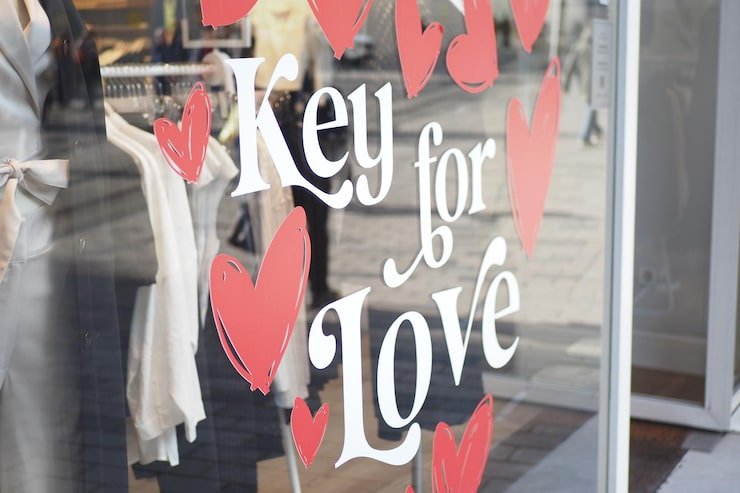
Visual branding influences how people perceive a business long before they interact with products or services. Colors, typography, signage, and environmental design shape expectations and emotions. Customers often associate a well designed space with professionalism, quality, and attention to detail.
Table Of Content
- Why Visual Branding Matters
- Creating Emotional Connections Through Design
- Consistency Builds Trust
- Storefront Experiences Shape Expectations
- Interior Branding Extends Customer Engagement
- Visual Branding Supports Customer Confidence
- Memorable Experiences Encourage Word of Mouth
- Visual Branding Reflects Brand Values
- Adaptability Keeps Experiences Fresh
- Employee Experiences Influence Customer Experiences
- The Long-Term Value of Strong Visual Branding
- Conclusion
Businesses seeking stronger customer connections increasingly focus on every visual touchpoint. From storefront displays featuring custom window stickers to thoughtfully designed interiors, visual branding supports memorable experiences that encourage repeat visits and positive word of mouth.
Why Visual Branding Matters
People process visual information quickly. Studies suggest consumers form impressions about brands within seconds of exposure. These initial perceptions influence trust, credibility, and purchasing decisions.
A cohesive visual identity provides familiarity across every interaction. Consistency in design elements helps customers recognize a business more easily and remember their experiences more clearly. Brands that invest in visual presentation often establish stronger emotional connections with their audiences.
Physical spaces play an equally important role. Elements such as custom wallpaper for walls contribute to an environment that reflects brand personality while reinforcing messaging customers encounter through other channels.
Creating Emotional Connections Through Design
Customers rarely remember every detail of a transaction. They often remember how an experience made them feel. Visual branding shapes those emotional responses by creating environments that align with customer expectations.
Warm colors may evoke comfort and friendliness. Minimalist designs often communicate sophistication and efficiency. Businesses need to understand which emotions support their goals and design accordingly.
Storefronts frequently provide the first opportunity to establish those feelings. Strategically placed custom window stickers offer messaging, promotional information, and decorative elements that create intrigue before customers enter a space.
When visual cues align with customer values and expectations, businesses strengthen loyalty and encourage advocacy.
Consistency Builds Trust
Trust develops through reliability and predictability. Customers appreciate brands that present a unified identity across physical and digital platforms.
A mismatch between online branding and in store experiences may create confusion. Consistent visual elements reassure customers that they are engaging with a credible organization.
Interior spaces should reflect the same values expressed through logos, websites, and promotional materials. Businesses increasingly incorporate custom wallpaper for walls to maintain consistency while transforming ordinary spaces into immersive brand environments.
Every design choice contributes to the larger narrative customers associate with a brand.
Storefront Experiences Shape Expectations
A storefront functions as an introduction. Customers often decide whether to enter a location based on visual appeal and perceived professionalism.
Effective storefront branding communicates purpose clearly. Window graphics highlight promotions, operating hours, and unique selling points while enhancing aesthetics. Well designed custom window stickers support these goals without overwhelming visitors.
Businesses should prioritize clarity and simplicity. Excessive visual clutter may distract customers from key messages. Thoughtful design encourages curiosity and establishes positive expectations before any interaction occurs.
Strong first impressions frequently influence the overall customer journey.
Interior Branding Extends Customer Engagement
The customer experience continues beyond the entrance. Interior environments influence comfort, satisfaction, and perception of quality.
Walls offer valuable opportunities for storytelling. Businesses use imagery, inspirational messaging, and branded patterns to reinforce identity throughout customer spaces. Incorporating custom wallpaper for walls allows organizations to transform standard interiors into engaging environments that support brand recognition.
Visual continuity throughout a space helps customers feel immersed in a cohesive experience. This consistency strengthens memory retention and increases emotional attachment to the brand.
An inviting atmosphere often encourages customers to spend additional time exploring products and services.
Visual Branding Supports Customer Confidence
Customers seek reassurance when making purchasing decisions. Professional visual branding communicates competence and attention to detail.
Clean signage, organized displays, and purposeful design choices suggest that a business values quality. These visual indicators contribute to customer confidence during interactions.
Businesses often use custom window stickers to communicate certifications, awards, seasonal promotions, or important updates. These elements provide useful information while enhancing the overall appearance of the storefront.
When customers perceive a business as trustworthy, they are more likely to proceed with purchases and recommend the experience to others.
Memorable Experiences Encourage Word of Mouth
People naturally share experiences that stand out. Distinctive visual environments increase the likelihood of conversations, recommendations, and social media engagement.
A thoughtfully designed space creates opportunities for customers to take photos and share them online. Visual branding extends beyond direct interactions and reaches wider audiences through user generated content.
Businesses aiming to create memorable moments often incorporate unique interior features such as custom wallpaper for walls that align with their brand story and appeal to visitors.
Authentic experiences inspire organic promotion that traditional advertising struggles to replicate.
Visual Branding Reflects Brand Values
Modern consumers frequently support businesses whose values align with their own. Visual branding provides opportunities to communicate those principles clearly.
Sustainability initiatives, community involvement, creativity, and innovation may all find expression through design choices. Every visual element contributes to the perception customers develop.
Storefront graphics featuring custom window stickers may highlight community events, seasonal campaigns, or organizational commitments that matter to target audiences.
Brands that communicate values consistently often establish deeper emotional relationships with customers.
Adaptability Keeps Experiences Fresh
Customer expectations evolve continuously. Businesses benefit from updating visual elements periodically to maintain relevance and interest.
Flexible branding solutions support seasonal campaigns, product launches, and promotional events without requiring extensive renovations. Window graphics and temporary installations provide practical opportunities for refreshing customer experiences.
Many organizations also update interior spaces with custom wallpaper for walls to reflect changing trends, celebrate milestones, or introduce new brand initiatives.
Thoughtful updates demonstrate attentiveness to customer preferences while preserving core brand identity.
Employee Experiences Influence Customer Experiences
Employees interact with branded environments daily. Well-designed spaces often contribute to morale, pride, and engagement.
When team members feel connected to a company’s mission and values, they are more likely to deliver positive customer experiences. Interior branding serves as a constant reminder of organizational purpose.
Incorporating custom wallpaper for walls featuring motivational messaging or company values supports workplace culture while strengthening visual consistency throughout the business.
Positive internal experiences frequently translate into stronger customer interactions.
The Long-Term Value of Strong Visual Branding
Visual branding represents more than aesthetics. It influences perceptions, shapes emotional responses, and strengthens customer relationships over time.
Businesses that prioritize consistent and meaningful design often distinguish themselves in competitive markets. Every interaction contributes to customer memories and future decision making.
From impactful storefront displays using custom window stickers to immersive interiors enhanced with custom wallpaper for walls, visual branding supports experiences that resonate beyond individual transactions.
Organizations that invest in memorable customer experiences position themselves for stronger loyalty, increased referrals, and sustained growth.
Conclusion
Customer experiences rarely depend on products or services alone. Visual branding influences how people feel, what they remember, and whether they choose to return. Thoughtful design choices create environments that communicate professionalism, authenticity, and attention to detail.
Whether businesses enhance storefront appeal through custom window stickers or elevate interiors with custom wallpaper for walls, every visual element contributes to lasting impressions. Brands that prioritize meaningful visual experiences strengthen customer relationships and encourage loyalty that extends well beyond a single interaction.







No Comment! Be the first one.