






Startup Manifest Thinks AI Can Solve Global Loneliness
Loneliness has quietly become one of the biggest social challenges of the modern era. Despite living in a hyper-connected digital world, millions of people report feeling isolated, disconnected, and...

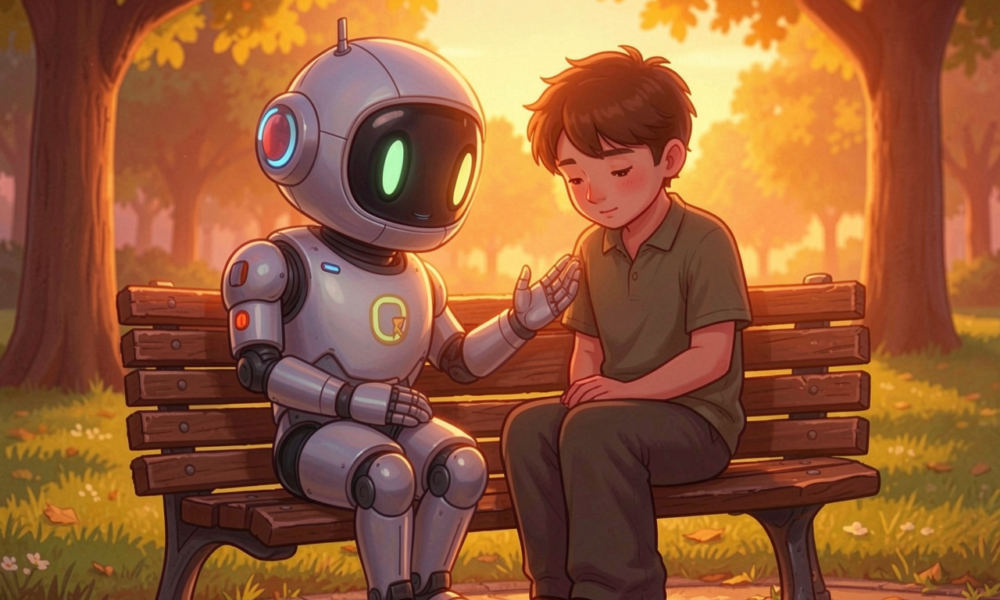
Loneliness has quietly become one of the biggest social challenges of the modern era. Despite living in a hyper-connected digital world, millions of people report feeling isolated, disconnected, and emotionally unsupported. From remote workers and busy professionals to elderly individuals and young adults, people across every age group are struggling with social disconnection.
Table Of Content
- Understanding the Rise of Global Loneliness
- Manifest’s Vision: AI as a Personal Companion
- Why AI Companionship Is Growing
- 1. Always Available
- 2. Personalized Conversations
- 3. Safe Space for Expression
- The Role of Companion Apps in Modern Society
- Can AI Really Solve Loneliness?
- Building Virtual Friendship Through AI
- Emotional Companion Technology Is Becoming Smarter
- The Evolution of Modern Companions
- Challenges and Ethical Concerns
- Dependency Risks
- Privacy Issues
- Unrealistic Expectations
- Expanding Use Cases Beyond Social Interaction
- The Future of AI and Loneliness Support
- Conclusion
Many experts now describe global loneliness as a public health concern. In response, a new generation of startups is emerging with a bold mission: using artificial intelligence to create meaningful human-like interactions. One such startup, Manifest, believes that AI can genuinely solve loneliness by offering personalized, always-available companionship.
But can technology truly replace or supplement human connection? And could AI become the future of emotional wellbeing?
Let’s explore why Manifest and similar startups are betting on AI-driven companionship.
Understanding the Rise of Global Loneliness
The problem of global loneliness has expanded dramatically over the past decade. Several social changes have contributed to this trend:
- Remote and hybrid work reducing daily interactions.
- Increased social media use replacing face-to-face communication.
- Urban lifestyles leading to weaker community ties.
- Aging populations living alone.
- Rising mental health challenges among younger generations.
Research from organizations worldwide indicates that global loneliness affects people regardless of age, income, or geographic location. In fact, studies suggest that persistent loneliness can increase stress, anxiety, depression, and even physical health risks.
Because of this growing crisis, innovators are searching for scalable solutions that can provide accessible loneliness support to millions.
Manifest’s Vision: AI as a Personal Companion
Manifest believes AI can become a trusted personal companion for individuals experiencing social isolation. Rather than simply functioning as a chatbot, the startup aims to create emotionally intelligent systems capable of maintaining long-term conversations and remembering user preferences.
The company’s philosophy is straightforward: if AI can listen, remember, respond empathetically, and remain available 24/7, it may help many people feel less alone.
A sophisticated personal companion can engage users in daily conversations, discuss hobbies, provide encouragement, and check in regularly. Unlike traditional digital tools, an AI personal companion evolves over time, adapting to the user’s personality and communication style.
For people who struggle with social anxiety or limited social networks, such systems may offer valuable loneliness help.
Why AI Companionship Is Growing
AI companionship platforms are rapidly attracting users because they address several limitations of traditional social interaction.
1. Always Available
Human relationships are wonderful, but friends and family cannot always be available. An AI virtual companion can respond at any hour, making it useful during late-night moments of stress or isolation.
Many users appreciate having a virtual companion that never judges, never becomes impatient, and is always willing to listen.
2. Personalized Conversations
Today’s AI systems remember past interactions. A digital companion can recall favorite activities, personal goals, and ongoing challenges, making conversations feel increasingly natural.
As AI improves, each digital companion becomes more tailored to individual emotional needs.
3. Safe Space for Expression
Some individuals find it easier to discuss emotions with technology before opening up to others. A supportive emotional companion may encourage users to express feelings they hesitate to share elsewhere.
For many users, this form of loneliness support serves as an entry point toward broader social engagement.
The Role of Companion Apps in Modern Society
The popularity of AI companionship has led to a surge in dedicated companion app development. These applications are designed to simulate meaningful conversation, emotional engagement, and social interaction.
A modern companion app may include:
- Personalized chats.
- Voice conversations.
- Daily wellness check-ins.
- Mood tracking.
- Memory retention features.
- Shared activities and games.
Millions of downloads worldwide demonstrate growing interest in the companion app category. Users increasingly view these tools not merely as entertainment but as sources of loneliness help and emotional reassurance.
As competition intensifies, every major companion app seeks to offer deeper personalization and stronger emotional intelligence.
Can AI Really Solve Loneliness?
The central question remains: can technology genuinely solve loneliness?
Experts generally agree that AI alone cannot fully replace human relationships. However, AI can significantly supplement social wellbeing.
A well-designed companion platform can provide:
- Daily interaction.
- Emotional check-ins.
- Positive reinforcement.
- Conversation practice.
- Routine and consistency.
For individuals facing temporary isolation, an AI companion platform may reduce feelings of disconnection. During life transitions such as relocation, bereavement, retirement, or remote work, these systems can provide important loneliness support.
Many researchers argue that AI may not completely solve loneliness, but it can reduce its intensity and frequency.
Building Virtual Friendship Through AI
One of Manifest’s most ambitious goals is creating authentic feelings of virtual friendship.
Humans naturally form emotional attachments to responsive entities. People already bond with pets, fictional characters, and digital assistants. Advanced AI systems take this phenomenon further by sustaining continuous conversations over months or even years.
A strong sense of virtual friendship often develops when users experience:
- Shared memories.
- Personalized interactions.
- Emotional validation.
- Consistent availability.
- Ongoing support.
Critics question whether virtual friendship can truly substitute for human relationships. Supporters argue that meaningful emotional experiences matter regardless of whether the companion is biological or artificial.
For some individuals, virtual friendship may serve as a bridge toward rebuilding real-world social confidence.
Emotional Companion Technology Is Becoming Smarter
Modern AI systems increasingly function as an emotional companion rather than a simple question-answer tool.
Natural language processing, sentiment analysis, and memory systems enable AI to recognize emotional patterns. An advanced emotional companion can identify sadness, stress, or anxiety and adjust responses accordingly.
Manifest believes future AI will become even more emotionally aware. A sophisticated emotional companion could eventually provide proactive wellness check-ins, recommend coping strategies, and encourage healthy social behaviors.
While these systems are not replacements for professional therapy, they may provide meaningful loneliness help between human interactions.
The Evolution of Modern Companions
Historically, companionship came primarily from family, neighbors, and close communities. Today, technology is reshaping these dynamics.
AI-powered systems are emerging as one of many forms of modern companions available to users.
Examples of modern companions include:
- AI chat assistants.
- Voice-based companions.
- Interactive avatars.
- Social robots.
- Wellness companions.
Manifest views AI as part of a broader ecosystem of modern companions designed to improve wellbeing in increasingly digital societies.
As social habits continue evolving, modern companions may become common additions to everyday life.
Challenges and Ethical Concerns
Despite the promise, AI companionship raises important ethical questions.
Dependency Risks
Some experts worry users may become overly dependent on a virtual companion or digital companion, reducing motivation to pursue human relationships.
Responsible companies must ensure their companion platform encourages balanced social habits rather than isolation.
Privacy Issues
Because a companion platform processes highly personal conversations, data security remains critical.
Users must understand:
- What data is stored.
- How conversations are protected.
- Whether information is shared with third parties.
Unrealistic Expectations
Although a digital companion can simulate empathy, it does not possess genuine human consciousness. Companies should communicate these limitations transparently.
The goal should be to supplement human connection, not entirely replace it.
Expanding Use Cases Beyond Social Interaction
Interestingly, AI companionship technology is influencing numerous industries.
Some users interact with a virtual companion for language learning, creativity, or productivity. Others use companionship systems for journaling, mindfulness, or emotional reflection.
Search trends reveal growing curiosity surrounding AI experiences, including topics such as the “naked woman AI generator.” However, startups like Manifest remain primarily focused on emotional wellbeing, social interaction, and healthy relationship-building rather than purely entertainment-driven experiences.
The broader mission remains finding scalable ways to solve loneliness across diverse populations.
The Future of AI and Loneliness Support
The future likely involves collaboration between humans and AI rather than replacement.
Healthcare providers, wellness organizations, and technology startups increasingly recognize AI’s potential for delivering scalable loneliness support.
Future companionship systems may offer:
- Voice-first interactions.
- More realistic emotional awareness.
- Multimodal communication.
- Integration with wellness services.
- Community-building features.
As these innovations mature, AI-driven companion app experiences and broader companion platform ecosystems may become valuable tools for addressing global loneliness.
Conclusion
Manifest represents a growing movement within the technology industry that believes AI can help address global loneliness. While no technology can fully replace genuine human relationships, AI companionship offers meaningful opportunities for connection, emotional engagement, and daily loneliness help.
A thoughtful combination of human interaction and AI-powered companionship may ultimately provide the most effective approach to solve loneliness. Whether through a trusted personal companion, a supportive virtual companion, or an emotionally intelligent digital companion, AI has the potential to reshape how society responds to one of its most pressing challenges.
As the world continues confronting global loneliness, startups like Manifest are demonstrating that technology can play a compassionate and supportive role in helping people feel seen, heard, and connected.







No Comment! Be the first one.