






Why a Photography Diploma Is the Smartest Career Move for Creative Minds
Photography today is more than a hobby it is a thriving career path across fashion, weddings, advertising, journalism, and digital content creation. For students who want to build practical,...

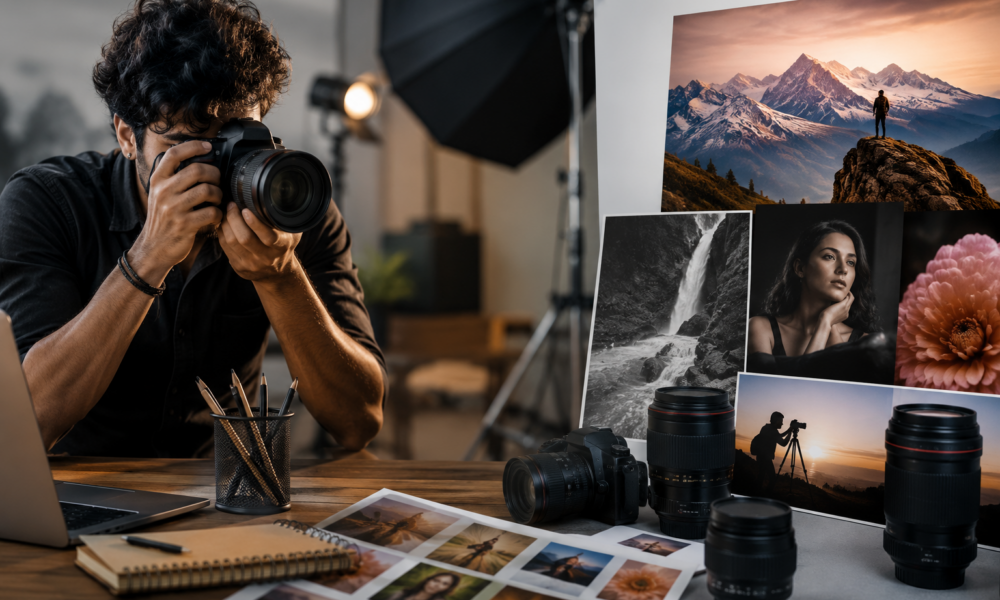
Photography today is more than a hobby it is a thriving career path across fashion, weddings, advertising, journalism, and digital content creation. For students who want to build practical, industry-ready skills without spending years on a traditional degree, a diploma in photography offers a focused, fast-track route into the profession. If you are exploring options to turn your passion for the camera into a livelihood, here is everything you need to know before you enroll.
Table Of Content
- What Is a Diploma in Photography?
- Why Choose a Short-Term Photography Program Over a Degree?
- Shorter Duration, Faster Entry
- Hands-On, Skill-First Learning
- Career Opportunities After a Photography Diploma
- Wedding & Portrait Photography
- Fashion & Editorial Photography
- Photojournalism & Documentary Work
- Other Emerging Roles
- What You’ll Learn in a Professional Program
- Choosing the Right Institute
- Frequently Asked Questions
- 1. Who should consider this program?
- 2. Do I need prior experience with a camera?
- 3. Can I freelance while studying?
- Conclusion
What Is a Diploma in Photography?
A diploma in photography is a specialized program designed to teach students the technical, creative, and business aspects of professional photography. Unlike a general fine arts degree, this program is built around hands-on training camera handling, lighting, composition, editing, and portfolio development so graduates are ready to work from day one.
Most programs combine classroom learning with studio practice, outdoor shoots, and real-world assignments, giving students exposure to different genres such as portrait, product, travel, and event photography.
Why Choose a Short-Term Photography Program Over a Degree?
Not everyone wants to commit three or four years to a full-time degree before starting their career. This is where a shorter, skill-focused program has a clear advantage.
Shorter Duration, Faster Entry
A diploma program typically runs for a shorter duration than a degree, allowing students to enter the job market or start freelancing much sooner. This makes it an attractive option for those who want quicker returns on their education investment.
Hands-On, Skill-First Learning
Rather than spending time on lengthy theoretical modules, a well-structured program prioritizes practical training camera settings, lighting setups, studio management, and post-production software like Lightroom and Photoshop. This practical bias is exactly what recruiters and clients look for.
Career Opportunities After a Photography Diploma
One of the biggest advantages of enrolling in diploma courses for photography is the range of career paths they open up. Photography today spans far beyond traditional studios.
Wedding & Portrait Photography
India’s wedding industry alone creates massive demand for skilled photographers who can capture candid, cinematic, and traditional moments. This remains one of the most lucrative freelance avenues for new graduates.
Fashion & Editorial Photography
With the growth of fashion brands, e-commerce, and digital magazines, there is a constant need for photographers who understand styling, lighting, and visual storytelling for editorial and commercial campaigns.
Photojournalism & Documentary Work
For those drawn to real stories, photojournalism offers a chance to work with news organizations, NGOs, and independent publications, documenting events and social issues through powerful imagery.
Other Emerging Roles
- Product and e-commerce photography for online brands
- Social media and content creation for influencers and businesses
- Travel and wildlife photography for publications and tourism boards
- Photo editing and retouching for studios and agencies
What You’ll Learn in a Professional Program
A well-designed curriculum typically covers:
- Fundamentals of camera operation, exposure, and composition
- Studio and outdoor lighting techniques
- Portrait, product, fashion, and event photography styles
- Post-processing and editing using industry-standard software
- Building a professional portfolio and personal brand
- Basics of running a photography business or freelance practice
Choosing the Right Institute
When comparing programs, look beyond just the syllabus. Check for access to professional-grade equipment and studios, faculty with real industry experience, opportunities for live projects, and strong placement or internship support. A good institute will also help you build a portfolio that stands out something that matters far more to employers and clients than certificates alone.
Frequently Asked Questions
1. Who should consider this program?
Anyone with a genuine interest in visual storytelling school leavers, graduates from unrelated fields, or working professionals looking for a creative career switch can benefit from structured, hands-on training in photography.
2. Do I need prior experience with a camera?
No prior experience is necessary. Programs are designed to start from the basics, covering camera fundamentals before moving on to advanced lighting, styling, and editing techniques.
3. Can I freelance while studying?
Many students begin taking on small freelance assignments such as event coverage or product shoots even while completing their training, which helps build both income and a real-world portfolio simultaneously.
Conclusion
Choosing the right photography course diploma can be the difference between chasing photography as a hobby and building it into a full-fledged career. With focused training, practical exposure, and industry mentorship, you can develop the skills and portfolio needed to work confidently in any branch of the photography world whether that’s weddings, fashion, journalism, or digital content. If you’re ready to take the first step, explore program details and start building your future behind the lens today.






No Comment! Be the first one.