






Does Age Matter for Cataract Surgery? Common Myths and Facts
Cataracts are one of the leading causes of vision impairment, especially among older adults. As the eye’s natural lens becomes cloudy, everyday activities such as reading, driving, and...

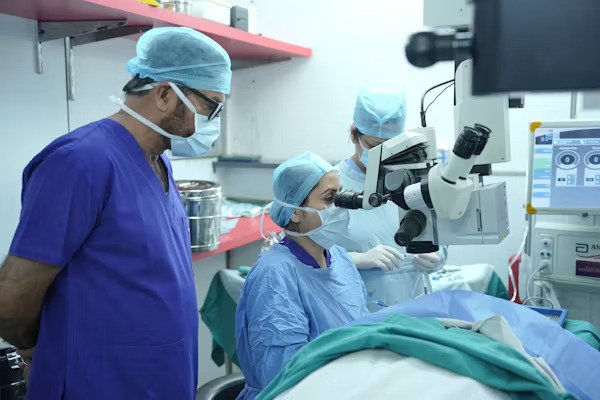
Cataracts are one of the leading causes of vision impairment, especially among older adults. As the eye’s natural lens becomes cloudy, everyday activities such as reading, driving, and recognizing faces become increasingly difficult. A common question many people ask is, “Am I too young or too old for cataract surgery?” The simple answer is age alone does not determine when cataract surgery is needed. The decision is based on how much the cataract affects your vision and quality of life rather than the number of candles on your birthday cake.
Table Of Content
- Does Age Really Matter for Cataract Surgery?
- Common Myths and Facts About Cataract Surgery
- Myth 1: Cataract Surgery Is Only for Elderly People
- Myth 2: You Should Wait Until the Cataract Is “Mature”
- Myth 3: Cataracts Must Be Removed as Soon as They Are Diagnosed
- Myth 4: You’re Too Old for Cataract Surgery
- Myth 5: Cataract Surgery Is Painful
- Myth 6: Cataracts Can Grow Back After Surgery
- Myth 7: Glasses Can Cure Cataracts
- Myth 8: Cataract Surgery Is Risky
- When Should You Consider Cataract Surgery?
- Benefits of Having Cataract Surgery at the Right Time
Many people delay treatment because of misconceptions about cataracts and cataract surgery. Understanding the facts can help you make informed decisions and seek treatment at the right time.
Does Age Really Matter for Cataract Surgery?
Cataracts are most commonly associated with aging, but they can develop at any stage of life. While most patients who undergo cataract surgery are over the age of 60, younger adults and even children can develop cataracts due to injury, genetics, certain medical conditions, or long-term steroid use.
Eye specialists do not recommend surgery based solely on age. Instead, they evaluate:
- The severity of the cataract
- How much vision has been affected
- Whether daily activities are becoming difficult
- Overall eye health
- The patient’s lifestyle and visual needs
If cataracts interfere with your routine, surgery may be recommended regardless of your age.
Common Myths and Facts About Cataract Surgery
Myth 1: Cataract Surgery Is Only for Elderly People
Fact: While cataracts are more common in older adults, they are not limited to seniors. Younger adults may develop cataracts because of diabetes, eye injuries, inherited conditions, or prolonged use of steroid medications. The need for surgery depends on vision problems, not age.
Myth 2: You Should Wait Until the Cataract Is “Mature”
Fact: This was a common practice many years ago. Today, advances in cataract surgery allow doctors to remove cataracts safely before they become extremely dense. Waiting too long may make surgery more complex and prolong vision loss.
Myth 3: Cataracts Must Be Removed as Soon as They Are Diagnosed
Fact: Not every cataract requires immediate surgery. If your vision is still good and your daily activities are unaffected, your ophthalmologist may recommend regular monitoring. Surgery is usually advised when cataracts begin affecting your quality of life.
Myth 4: You’re Too Old for Cataract Surgery
Fact: There is no upper age limit for cataract surgery. Many people in their 80s and 90s successfully undergo the procedure with excellent outcomes. As long as your overall health allows it, age alone is not a barrier.
Myth 5: Cataract Surgery Is Painful
Fact: Modern cataract surgery is generally painless. It is performed under local anesthesia using eye drops, and most patients experience only mild pressure or slight discomfort during the procedure.
Myth 6: Cataracts Can Grow Back After Surgery
Fact: Once a cataract is removed, it does not return. However, some people develop clouding of the capsule that holds the artificial lens, known as posterior capsule opacification (PCO). This is not a new cataract and can usually be treated quickly with a simple laser procedure.
Myth 7: Glasses Can Cure Cataracts
Fact: In the early stages, stronger glasses or brighter lighting may temporarily improve vision. However, glasses cannot remove or reverse cataracts. Surgery is the only effective treatment once vision is significantly affected.
Myth 8: Cataract Surgery Is Risky
Fact: Cataract surgery is one of the safest and most commonly performed surgeries worldwide. With experienced surgeons and modern technology, complications are uncommon, and most patients experience significant improvement in vision.
When Should You Consider Cataract Surgery?
You should consult an eye specialist if you notice:
- Blurred or cloudy vision
- Difficulty seeing at night
- Increased sensitivity to glare or bright lights
- Frequent changes in eyeglass prescription
- Colors appearing faded or yellow
- Double vision in one eye
- Difficulty reading, driving, or performing daily tasks
A comprehensive eye examination can determine whether cataracts are responsible for your symptoms and whether surgery is the right option.
Benefits of Having Cataract Surgery at the Right Time
Choosing surgery when your vision starts affecting your daily life offers several benefits:
- Clearer and sharper vision
- Improved night driving
- Better color perception
- Greater independence in daily activities
- Reduced risk of falls due to poor vision
- Enhanced overall quality of life
Delaying surgery unnecessarily may allow vision to worsen and could make the cataract harder to remove.






No Comment! Be the first one.