





How to Create a Safer Entryway and Bathroom for Seniors Without a Full Home Renovation
Creating a safer home for aging adults does not always require tearing down walls or investing in a major remodeling project. In many cases, a few smart upgrades can make a significant difference in...

Creating a safer home for aging adults does not always require tearing down walls or investing in a major remodeling project. In many cases, a few smart upgrades can make a significant difference in preventing falls, improving mobility, and helping seniors remain independent for longer. The entryway and bathroom are two of the most common areas where accidents happen, making them the best places to start.
Table Of Content
- Why Entryways and Bathrooms Need Extra Attention
- Improve Entryway Safety with Simple Upgrades
- Install Better Outdoor Lighting
- Remove Tripping Hazards
- Add Secure Handrails
- Consider a Small Threshold Ramp
- Make the Bathroom Safer Without Major Remodeling
- Install Grab Bars in Key Locations
- Upgrade to Non-Slip Flooring
- Raise the Toilet Height
- Improve Bathroom Lighting
- Replace Difficult Hardware
- Create More Open Walking Space
- Improve Shower Accessibility
- Do Not Forget the Importance of Good Organization
- Small Changes That Make a Big Difference
- Benefits Beyond Fall Prevention
- When Professional Installation Is Worth It
- Final Thoughts
If you are looking to create barrier-free bathrooms for seniors or improve the safety of your home’s entrance, there are many affordable changes that can be completed in a day or two. From better lighting to grab bars for toilet support, these improvements provide peace of mind without the cost and disruption of a full renovation.
Why Entryways and Bathrooms Need Extra Attention
According to health and safety experts, falls are one of the leading causes of injuries among older adults. Uneven walkways, slippery bathroom floors, poor lighting, and a lack of support surfaces all increase the risk.
Fortunately, you do not need to rebuild your home to address these hazards. Small, carefully planned upgrades can greatly improve accessibility while preserving the look and comfort of your home.
Improve Entryway Safety with Simple Upgrades
The entryway is the first point of access to the home. Making it safer helps seniors enter and leave with greater confidence.
Install Better Outdoor Lighting
Poor visibility makes steps and uneven surfaces difficult to see, especially during early mornings or evenings.
Consider adding:
- Motion sensor lights
- LED pathway lighting
- Brighter porch lights
- Illuminated house numbers
Good lighting reduces fall risks and makes visitors feel safer as well.
Remove Tripping Hazards
Take a close look at the walkway leading to the front door.
Common hazards include:
- Cracked sidewalks
- Loose pavers
- Uneven concrete
- Garden hoses
- Decorative items blocking the path
Repairing or removing these obstacles creates a smoother and safer walking surface.
Add Secure Handrails
A sturdy handrail beside steps provides valuable support when entering or leaving the home.
Choose handrails that:
- Extend the full length of the stairs
- Are securely anchored
- Have an easy-to-grip design
- Can withstand outdoor weather
Even one or two steps become much safer with proper support.
Consider a Small Threshold Ramp
Many homes have raised door thresholds that can become difficult for seniors using walkers or wheelchairs.
Portable threshold ramps are affordable, easy to install, and help eliminate small height differences that often cause trips.
Make the Bathroom Safer Without Major Remodeling
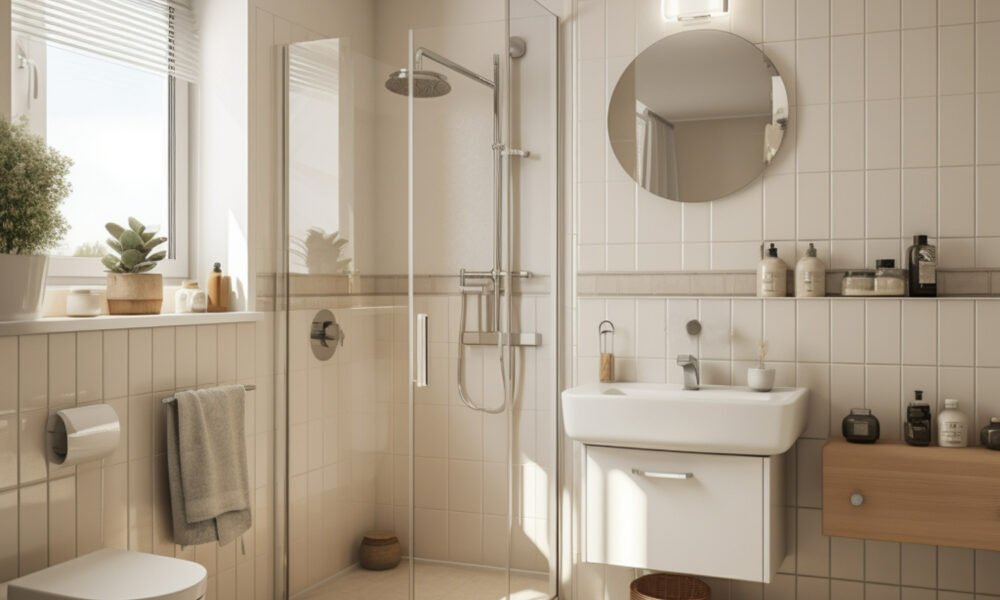
Bathrooms are among the most dangerous rooms in any home because water creates slippery surfaces. Fortunately, several practical improvements can dramatically improve safety.
Install Grab Bars in Key Locations
One of the most effective bathroom safety upgrades is installing grab bars.
They should be placed near:
- The toilet
- Inside the shower
- Outside the bathtub
- Shower entrances
Properly installed grab bars offer stable support when sitting, standing, or maintaining balance.
Avoid using towel bars for support because they are not designed to hold body weight.
Upgrade to Non-Slip Flooring
Replacing the entire bathroom floor is not always necessary.
Instead, consider:
- Non-slip bath mats
- Anti-slip adhesive strips
- Textured shower mats
- Slip-resistant floor treatments
These inexpensive options improve traction without changing the appearance of the bathroom.
Raise the Toilet Height
Low toilets require extra effort to sit down and stand up.
A raised toilet seat or comfort-height toilet makes everyday use easier while reducing strain on the knees and hips.
Combined with properly placed support bars, this creates a much safer experience.
Improve Bathroom Lighting
Bathrooms often have shadows that make obstacles harder to see.
Upgrade lighting by adding:
- Bright ceiling fixtures
- Vanity lighting
- Night lights
- Motion-activated lighting
Improved visibility reduces accidents during nighttime bathroom visits.
Replace Difficult Hardware
Small changes to fixtures can improve daily comfort.
Replace traditional fixtures with:
- Lever-style door handles
- Lever faucet handles
- Handheld shower heads
- Easy-to-use shower controls
These upgrades are especially helpful for seniors with arthritis or reduced hand strength.
Create More Open Walking Space
Bathrooms often become cluttered over time.
Remove unnecessary items such as:
- Decorative baskets
- Extra shelving
- Floor scales
- Small furniture
Keeping pathways clear makes movement easier and reduces trip hazards.
Improve Shower Accessibility
Stepping over a bathtub wall can become difficult with age.
If replacing the tub is not possible, consider adding:
- A transfer bench
- A shower chair
- A handheld shower head
- A sturdy shower grab bar
These simple additions allow seniors to bathe more safely without requiring expensive renovations.
Do Not Forget the Importance of Good Organization
Accessibility is not only about physical modifications. It also involves keeping frequently used items within easy reach.
Store toiletries, medications, towels, and personal care products between waist and shoulder height whenever possible.
Avoid placing everyday items on high shelves or near the floor where bending or reaching becomes difficult.
If you are looking for additional ideas beyond entryways and bathrooms, this helpful guide on making a home more accessible for people with mobility challenges offers practical solutions that complement these safety improvements.
Small Changes That Make a Big Difference
Many homeowners believe accessibility improvements must be expensive.
In reality, several affordable upgrades provide immediate benefits.
Examples include:
- Installing grab bars
- Replacing slippery mats
- Adding brighter lighting
- Using non-slip flooring treatments
- Installing threshold ramps
- Upgrading door handles
- Organizing frequently used items
- Adding shower seating
These changes can often be completed over a weekend.
Benefits Beyond Fall Prevention
A safer home offers more than physical protection.
Accessibility improvements can also:
- Increase confidence
- Support independent living
- Reduce caregiver stress
- Improve daily comfort
- Help seniors stay in their homes longer
Many families find that proactive safety improvements delay the need for assisted living while improving quality of life.
When Professional Installation Is Worth It
While some safety upgrades are simple DIY projects, others require professional installation.
This is especially true for:
- Grab bars
- Handrails
- Threshold ramps
- Walk-in showers
- Accessible toilets
Professionally installed equipment provides greater reliability and ensures it can safely support body weight.
Final Thoughts
Creating a safer entryway and bathroom does not require a full home renovation. With thoughtful planning and a series of affordable upgrades, you can greatly reduce fall risks while making daily routines easier for older adults.
Simple improvements like better lighting, secure handrails, non-slip flooring, raised toilet seating, and strategically placed support bars can transform high-risk areas into safer, more comfortable spaces. Whether you are planning ahead for aging in place or helping a loved one remain independent, these practical modifications offer lasting value without the expense of major remodeling.



No Comment! Be the first one.