






Guide To Custom Food Packaging Production Costs
Custom food packaging is the face of any food business, but the price tags might tend to be a complete mystery to new entrants. The primary cost is normally believed to be the design itself,lf but it...

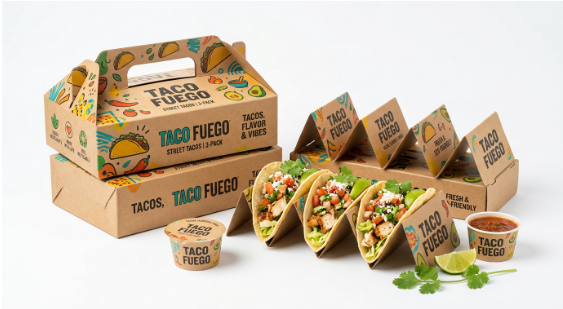
Custom food packaging is the face of any food business, but the price tags might tend to be a complete mystery to new entrants. The primary cost is normally believed to be the design itself,lf but it is hardly the entire case. The final bill is raised or dropped a lot due to numerous obscure circumstances such as material selections or order quantities.
Table Of Content
In this article, the complex production figures are disaggregated into simple language that is understandable in the operation of real life. Being aware of these fundamentals can assist the owner in making superior decisions when discussing with the suppliers their branding aspirations and budget constraints.
Material Choice Factors
The choice of the right base materials will continue to be the most significant factor that drives the overall costs of any food container project. The grades of paperboard and the thicknesses of plastic determine the price level since the weights of various grades provide different degrees of protection and display attributes. High-quality finishes or environmentally friendly options are usually marketed at a higher rate than industrial stock, especially for custom food packaging with logo. Business owners are fond of knowing that when the engineering of the product is suitable, it is safe to devise a slightly lighter material that will cost much less without causing the product to look bad.
Printing Plate Expenses
Printing plate set-up costs usually intimidate new entrants in the business of branding. A one-time physical cost is a plate that embosses the patterns onto the surface of packaging in a repeatable way. This cost is transferred to small orders since the plate price is distributed among fewer units when compared to large quantities of production. Steering clear of complicated colour schemes or overly complicated design styles can keep these preliminary set-up expenses within reach and still enable a neat and professional brand image presentation.
Volume Order Dynamics
Productivity in production nearly always increases when the number of units rises into thousands. When factories work with long sessions compared to machines with continuous adjustments on very small batches, the factories work less time and extract more material. Naturally, suppliers offer a better unit price when the request is in bulk, as the labour price per unit is significantly reduced. Balancing between sufficient inventory to support business operations and excess inventory is a huge dilemma for most small food companies.
Design Complexity Impact
Complex forms and special cuts in structures tend to add more steps in the production line that create increased expenditure. Basic pouches or simple boxes enable the machines to operate at full speed, without manual intervention and without going through the hassle of modifying or reconfiguring the tools. Each fold or window opening cutout needs a special die that is costly during the initial setup phase. Physical structure streamlining tends to result in shorter assembly times and reduced expenses but still retains the functional and presentable final product for the customers.
Shipping Weight Realities
The activities entailed in logistics are silent in the ultimate price tag since the heavy or bulky products are more expensive to transport. Transportation of flat objects and transportation of complete boxes greatly differ in the amount of volume and the ensuing freight bill. Flat packed deliveries are normally associated with reduced transit invoices to the designers since the cargo occupies less space in the truck. The consideration of how the completed goods reach the kitchen or warehouse also assists in keeping the overall landed cost within a reasonable level.
Coating And Finish Choices
Special finishing such as gloss or matte cores is in use to cover the printed area without sacrificing the printing but giving the final user a particular tactile experience. These layers do not add much to the cost per unit, but they can help to avoid scuffing or damage from moisture during transportation. Use of standard finish instead of custom metallic foils or soft touch textures helps keep the budget of the production relatively low. In the domain of daily use, a simple protective coating is the solution most companies have been looking for, such that it is both affordable and aesthetically pleasing in the office.
Turnaround Time Pressures
Orders to complete a job within record time usually cause suppliers to rearrange their schedule. The rushes are there due to the factories having to give priority to urgent work over pre-scheduled production cycles, which puts strain on labour and machine activity. Advanced planning enables the printer to accommodate the order into their usual rhythm that keeps the costs near the baseline level. Companies that can control their stock levels such that they never have to make last-minute orders can always enjoy the standard production level of prices.
Waste Reduction Strategies
Custom boxes wholesale are reducing scrap material at the printing and cutting stage makes the final invoice to the customer lower. State-of-the-art machines frequently utilize computers to shape shapes onto the raw sheets such that virtually no paper or plastics are wasted. A question to an inkjet manufacturer concerning factors that make them efficient in their layout reflects a clever way of managing costs. The suppliers would love operating with clients who see the essence of efficient design since it simplifies and predicts the whole manufacturing process for all parties involved.
Conclusion
Getting through custom food packaging costs does not mean one has to possess a degree in finance or manufacturing engineering. One just needs a little patience to realize how material option and quantity already determined influences the ultimate price. Develop uncluttered design and intelligent logistics planning to maintain costs constant and develop a fantastic brand image.
Each business is unique, and therefore it is worthwhile to consider all these aspects to achieve maximum value per dollar incurred. Honey, informed decisions today translate to improved returns tomorrow when the packaging ultimately gets to shelves and hungry patrons all over.




No Comment! Be the first one.