






Battery-Powered vs Hydraulic Pump Systems: What’s Better for Remote Site Bolting?
Site conditions, such as power availability, flange spacing, and shutdown timelines, determine which torque system a bolting crew uses at remote locations. Most remote bolting work today relies on...

Site conditions, such as power availability, flange spacing, and shutdown timelines, determine which torque system a bolting crew uses at remote locations. Most remote bolting work today relies on either battery-powered torque wrenches or hydraulic pumps paired with standard torque wrench heads. Each has clear advantages depending on the joint’s specified torque, and the right choice often varies from one flange to the next.
Table Of Content
Battery-Powered Torque Wrenches and Their Application
Cordless torque wrenches reduce the need for hoses, compressor systems, or even power outlets in the vicinity of the work. With a fully charged lithium-ion battery, one person can tighten all the bolts. Torque values are set digitally, which reduces dependence on manual pressure conversion charts and lowers the chance of operator error. These characteristics make battery-powered wrenches suitable for smaller diameter bolts, typically within the lower torque range of a few thousand newton metres, and for locations with restricted access, such as piping racks or elevated platforms.
Their capacity is limited at higher torque values. Large flange connections on turbines, pressure vessels, and heavy structural assemblies frequently exceed what a battery-powered unit can deliver in a single operation, which restricts their use on higher-capacity bolting work.
Hydraulic Pump Systems for High Torque Bolting
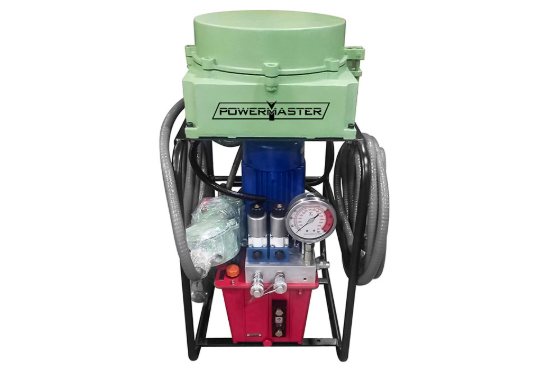
Hydraulic pumps, available in electric, pneumatic, and hand types, remain the preferred tool for high-torque bolt-tightening applications. Used with a low-clearance torque wrench, a hydraulic pump will generate torque levels exceeding tens of thousands of newton-meters while maintaining repeatability throughout the process. Pneumatic hydraulic systems are especially suitable for hazardous locations such as oil refineries, where electrical devices cannot be used in the work area for safety reasons.
The only disadvantage of hydraulic pump systems is the setup time, which involves installing hoses, positioning the pump, and coordinating two people.
Selecting the Appropriate System
The torque specification of the joint should determine the choice of equipment. Lighter bolting work, such as at gas metering stations or smaller mechanical assemblies, is generally suited to battery-powered wrenches. Heavier applications, including boilers, pressure vessels, and large diameter piping, require a hydraulic pump matched to an appropriately sized torque wrench. Many maintenance teams now maintain both systems and select the appropriate tool based on the specific joint rather than standardizing on a single method for an entire shutdown.
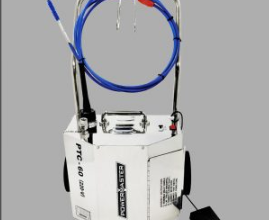
Maintenance requirements at facilities such as sugar mills extend beyond bolting work. Internal fouling in evaporator and juice heater tubes is a recurring issue, and a sugar factory tube cleaner is commonly included in the same maintenance equipment set used during a shutdown, as tube cleaning and bolting work are often scheduled within the same maintenance window.
Conclusion
The decision between battery-powered and hydraulic bolting systems depends on torque requirements, site access, and available crew size. Battery-powered wrenches are effective for single-operator work on lighter flanges, while hydraulic pumps remain necessary for high torque applications requiring consistent repeatability. Powermaster supplies both categories of bolting equipment, along with tools such as the sugar factory tube cleaner, providing maintenance teams with a single source for bolting and tube cleaning requirements during the same site visit.




No Comment! Be the first one.