






Why Traditional Tibetan Prayer Flags Continue to Inspire Generations
Colorful prayer flags stretched between mountain passes have become one of the most recognizable symbols of Himalayan culture, yet their significance reaches far beyond their appearance. Every color,...

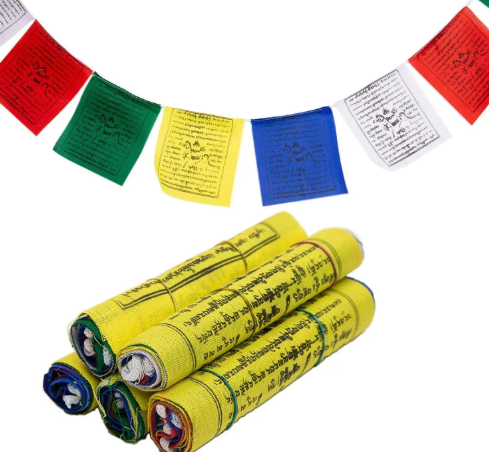
Colorful prayer flags stretched between mountain passes have become one of the most recognizable symbols of Himalayan culture, yet their significance reaches far beyond their appearance. Every color, printed mantra, and sacred illustration carries centuries of spiritual tradition that continues to resonate with people seeking meaningful décor and authentic cultural artifacts. For collectors, meditation practitioners, and anyone interested in Himalayan heritage, finding Tibetan prayer flags for sale from trusted sources ensures the craftsmanship and symbolism remain true to their origins.
Table Of Content
- The Story Woven Into Every Prayer Flag
- Authentic Craftsmanship Makes a Meaningful Difference
- Traditional Cotton Supports Long-Term Outdoor Use
- Sacred Artwork Carries Layers of Meaning
- Hand Printing Preserves Cultural Identity
- Choosing Pieces That Honor Tradition
- What to Consider Before Purchasing Prayer Flags
- How Prayer Flags Become Part of Everyday Mindfulness
- Beyond Prayer Flags: Himalayan Handcrafted Treasures
- Final Thoughts
Across monasteries, homes, trekking routes, and peaceful gardens, these flags serve as quiet reminders of compassion, wisdom, and interconnectedness. Their purpose is not to bring blessings only to the person who hangs them. Instead, they are traditionally believed to spread positive intentions wherever the wind carries their prayers. That philosophy has helped preserve their importance through generations, making them one of the most respected cultural traditions associated with the Himalayan region.
The Story Woven Into Every Prayer Flag
Each prayer flag follows a carefully preserved arrangement of five colors representing the natural elements that sustain life. Blue symbolizes space, white reflects air, red represents fire, green stands for water, while yellow signifies earth. Rather than being selected for visual balance alone, these colors express harmony between nature, humanity, and spiritual practice.
Traditional designs also feature sacred mantras alongside symbolic artwork that has remained largely unchanged for centuries. The famous Wind Horse often appears at the center, surrounded by prayers intended to promote peace, compassion, prosperity, and wisdom. As sunlight and weather gradually soften the fabric, practitioners believe the blessings become part of the surrounding world instead of disappearing.
Authentic Craftsmanship Makes a Meaningful Difference
Not every prayer flag available today reflects traditional Himalayan production methods. Many commercially produced versions prioritize decorative appeal while overlooking the religious symbolism that gives the flags their true value. Genuine craftsmanship begins with experienced artisans who understand the cultural importance behind every printed detail.
Woodblock printing continues to play an important role in preserving this heritage. Instead of relying entirely on modern digital processes, skilled craftspeople carve sacred designs into wooden blocks before transferring them onto cotton fabric using techniques practiced for generations. Slight variations between prints are not imperfections. They are signs of handcrafted work that connects each piece to a living artistic tradition.
Traditional Cotton Supports Long-Term Outdoor Use
Cotton has remained the preferred material for generations because it allows the flags to weather naturally while maintaining their symbolic purpose. Gradual fading is viewed as part of the spiritual journey rather than damage, reflecting the belief that blessings travel with every passing breeze.
Sacred Artwork Carries Layers of Meaning
Every illustration found on traditional prayer flags serves a purpose. Images of protective deities, auspicious symbols, sacred animals, and Buddhist mantras are carefully arranged to represent compassion, wisdom, courage, and balance instead of functioning as decorative graphics.
Hand Printing Preserves Cultural Identity
Woodblock printing creates subtle differences between individual sets, giving every collection its own character. These small distinctions demonstrate the human craftsmanship involved and help preserve artistic techniques that have remained part of Himalayan communities for centuries.
Choosing Pieces That Honor Tradition
Buyers searching for authentic tibetan prayer flags often focus on more than attractive colors. Traditional printing methods, accurate symbolism, natural fabrics, and responsible sourcing all contribute to preserving the cultural value that distinguishes genuine Himalayan prayer flags from decorative reproductions.
What to Consider Before Purchasing Prayer Flags
Selecting a quality set involves understanding both craftsmanship and intended use. Prayer flags are traditionally displayed outdoors where the wind can move freely through the fabric, although many people also create respectful indoor meditation spaces using smaller collections.
A few practical considerations make the selection process easier.
- Look for traditional five-color sequences without altered arrangements.
- Prefer cotton construction over synthetic materials whenever possible.
- Examine whether sacred mantras and symbols appear clearly printed.
- Choose dimensions that suit the intended display location.
- Purchase from retailers specializing in genuine Himalayan handicrafts rather than general home décor suppliers.
Thoughtful selection allows these traditional pieces to remain meaningful expressions of Himalayan heritage while respecting the spiritual values they were created to represent.
How Prayer Flags Become Part of Everyday Mindfulness
Displaying prayer flags is less about following decoration trends and more about creating a space that encourages reflection. Whether placed across a garden, a meditation corner, a balcony, or an outdoor retreat, they introduce a quiet reminder of compassion and gratitude. Their movement in the breeze serves as a gentle cue to slow down, making them meaningful additions to spaces designed for relaxation and personal well-being.
Traditionally, prayer flags are hung with care rather than treated as seasonal ornaments. Respectful placement, avoiding contact with the ground, and allowing them to face open air are all practices that reflect their spiritual significance. Over time, exposure to sunlight and changing weather become part of their journey, symbolizing the continuous sharing of positive intentions rather than the fading of an object.
Beyond Prayer Flags: Himalayan Handcrafted Treasures
Prayer flags often introduce people to the wider tradition of Himalayan craftsmanship. Many handcrafted items produced across Nepal and the surrounding Himalayan region combine practical use with deep cultural meaning, making them lasting additions to homes, wellness spaces, and personal collections.
Among the most appreciated handcrafted offerings are:
- Singing bowls made using traditional techniques for meditation and sound practices.
- Prayer wheels featuring sacred mantras and detailed metalwork.
- Incense holders crafted from wood, brass, or stone.
- Hand-carved statues representing respected Buddhist figures.
- Handmade malas created from natural seeds, sandalwood, or gemstones.
Each item reflects generations of skilled craftsmanship, preserving techniques that continue to define Himalayan artisan communities.
Final Thoughts
Looking for handcrafted Himalayan pieces that carry genuine cultural value rather than ordinary décor? A thoughtfully chosen collection reflects centuries of tradition, skilled artistry, and spiritual symbolism that continue to inspire people around the world. In the middle of that journey, Himalayan Bazaar offers carefully curated handcrafted products sourced from the Himalayan region, making it easier to discover meaningful cultural treasures created with authenticity in mind. Whether exploring prayer flags, artisan décor, or Himalayan singing bowls, selecting genuine craftsmanship helps preserve traditions that have connected generations through faith, artistry, and mindful living.






No Comment! Be the first one.