




RC Cars: Everything You Need to Know Before Buying
Remote control (RC) cars have become one of the most exciting hobbies for people of all ages. Whether you’re looking for a fun weekend activity, a competitive racing experience, or a realistic...

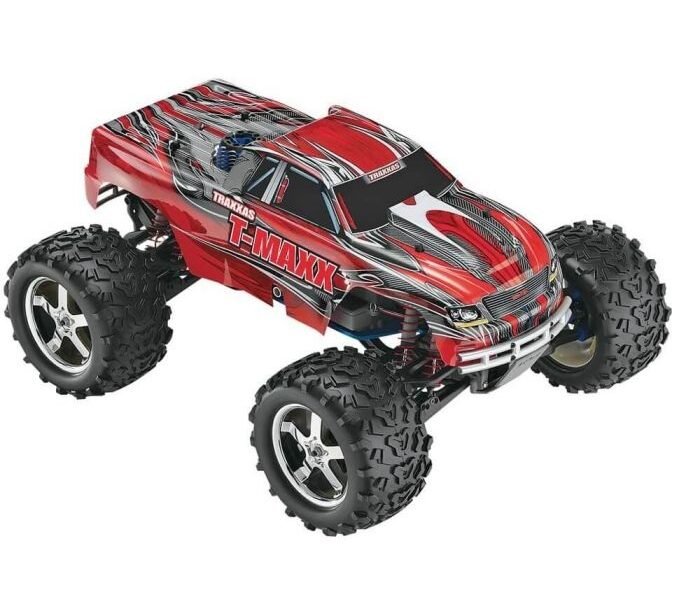
Remote control (RC) cars have become one of the most exciting hobbies for people of all ages. Whether you’re looking for a fun weekend activity, a competitive racing experience, or a realistic scale model, RC cars offer endless entertainment. Thanks to modern technology, today’s RC vehicles are faster, more durable, and easier to control than ever before.
Table Of Content
- On-Road RC Cars
- Off-Road RC Cars
- Monster Trucks
- Buggies
- Short Course Trucks
- Rock Crawlers
- Ready-to-Run (RTR)
- Build Kits
- Electric RC Cars
- Nitro RC Cars
- Brushed Motors
- Brushless Motors
- NiMH Batteries
- LiPo Batteries
- 1/10 Scale
- 1/16 Scale
- 1/8 Scale
- Mini RC Cars
- Speed
- Durability
- Spare Parts Availability
- Waterproof Electronics
- Under $150
- $150–$400
- $400+
- Buying Based Only on Speed
- Ignoring Spare Parts
- Skipping Maintenance
- Using the Wrong Battery Charger
- Driving Beyond Skill Level
- Are RC cars suitable for beginners?
- How fast do beginner RC cars go?
- Which is better: electric or nitro?
- What is the best RC car scale for beginners?
- How long does an RC battery last?
If you’re purchasing your first RC car, the wide variety of models, features, and specifications can feel overwhelming. From electric and nitro-powered vehicles to on-road and off-road designs, choosing the right model depends on your experience level, driving style, and budget.
This beginner’s guide explains everything you need to know before buying your first RC car.
What Is an RC Car?
An RC (Radio-Controlled) car is a miniature vehicle controlled remotely using a handheld transmitter. The transmitter sends signals to a receiver inside the vehicle, allowing you to steer, accelerate, brake, and reverse.
Modern RC cars are designed for various purposes, including:
- Recreational driving
- Racing competitions
- Off-road adventures
- Rock crawling
- Scale model collecting
- Drifting
Some models are designed specifically for beginners, while others are built for experienced hobbyists who enjoy customization and high-speed performance.
Types of RC Cars
Understanding the different categories helps narrow your options.
On-Road RC Cars
These vehicles are designed for smooth surfaces such as:
- Asphalt
- Concrete
- Indoor tracks
Advantages:
- Higher speeds
- Better handling
- Excellent for racing
Ideal for:
- Parking lots
- Driveways
- RC racing tracks
Off-Road RC Cars
Off-road models are built with larger tires, higher suspension, and durable chassis.
They perform well on:
- Dirt
- Gravel
- Grass
- Sand
- Trails
Perfect for beginners because they handle uneven terrain with ease.
Monster Trucks
Monster trucks feature:
- Oversized tires
- High ground clearance
- Powerful suspension
- Durable construction
They can jump, climb obstacles, and handle rough environments.
Buggies
RC buggies combine speed with off-road capability.
Benefits include:
- Lightweight design
- Excellent cornering
- Fast acceleration
- Great balance
Many beginners choose buggies because they’re versatile.
Short Course Trucks
These trucks resemble real desert racing vehicles.
Features:
- Stable handling
- Realistic appearance
- Durable body
- Beginner-friendly performance
Rock Crawlers
Rock crawlers prioritize climbing ability instead of speed.
Ideal for:
- Rocks
- Hills
- Forest trails
- Technical obstacles
Ready-to-Run (RTR) vs Build Kits
One of the first decisions you’ll make is choosing between RTR and kit models.
Ready-to-Run (RTR)
RTR models come fully assembled.
Typically included:
- RC vehicle
- Transmitter
- Receiver
- Motor
- Electronics
Advantages:
- Beginner-friendly
- Minimal setup
- Drive immediately
Most first-time buyers should start with an RTR model.
Build Kits
Kits require assembly.
Benefits:
- Learn how every component works
- Easier future maintenance
- Greater customization
Best suited for experienced hobbyists.
Electric vs Nitro RC Cars
Two of the most popular power systems are electric and nitro.
Electric RC Cars
Pros:
- Easy maintenance
- Quiet operation
- Instant acceleration
- Beginner-friendly
- Rechargeable batteries
Cons:
- Limited runtime
- Battery charging required
Electric RC cars remain the most popular choice for beginners.
Nitro RC Cars
Pros:
- Longer running time
- Realistic engine sound
- Refueling instead of recharging
Cons:
- More maintenance
- Fuel required
- Louder operation
- More tuning
Nitro vehicles are often preferred by experienced hobbyists.
Brushed vs Brushless Motors
Motor type significantly affects performance.
Brushed Motors
Advantages:
- Lower cost
- Simple maintenance
- Smooth acceleration
Best for beginners.
Brushless Motors
Advantages:
- Higher speed
- Better efficiency
- Longer lifespan
- Less maintenance
Great for users seeking maximum performance.
Battery Types
Battery choice affects runtime and speed.
NiMH Batteries
Benefits:
- Affordable
- Safe
- Easy to maintain
Excellent for first-time users.
LiPo Batteries
Advantages:
- Higher power output
- Longer runtime
- Faster acceleration
- Lightweight
Require proper charging and storage.
Choosing the Right Scale
Scale refers to the vehicle’s size relative to a full-size car.
Popular sizes include:
1/10 Scale
- Most popular
- Large parts availability
- Great balance
Recommended for beginners.
1/16 Scale
- Compact
- Portable
- Easy storage
Ideal for smaller spaces.
1/8 Scale
- Larger
- More powerful
- Better for experienced drivers
Mini RC Cars
Perfect for:
- Indoor driving
- Children
- Casual fun
Important Features to Consider
Speed
Beginners don’t always need the fastest vehicle.
Many entry-level models reach:
- 20–35 mph
Advanced models can exceed:
- 60 mph
Durability
Look for:
- Reinforced suspension
- Strong chassis
- Waterproof electronics
- Shock absorbers
These features reduce repair costs.
Spare Parts Availability
Choose brands with easily available:
- Tires
- Batteries
- Suspension arms
- Body shells
- Gears
This makes repairs much easier.
Waterproof Electronics
Water-resistant components allow driving through:
- Wet grass
- Small puddles
- Mud
Always check manufacturer ratings.
Budget Guide
Under $150
Suitable for:
- Beginners
- Kids
- Casual hobbyists
Features:
- Basic electronics
- Moderate speed
- Easy maintenance
$150–$400
Offers:
- Better suspension
- Higher speeds
- Brushless options
- Improved durability
Excellent value for most users.
$400+
Designed for enthusiasts.
Includes:
- Premium components
- Professional performance
- Advanced electronics
- Upgrade potential
Essential Accessories
Besides the vehicle itself, you’ll likely need:
- Extra batteries
- Smart charger
- Spare tires
- Hex drivers
- Cleaning brush
- Shock oil
- Carrying bag
These accessories improve your overall experience.
Maintenance Tips
Keeping your RC car clean extends its lifespan.
After every run:
- Remove dirt
- Inspect screws
- Clean tires
- Check suspension
- Recharge batteries properly
Regular maintenance prevents costly repairs.
Common Beginner Mistakes
Avoid these common errors:
Buying Based Only on Speed
Fast isn’t always better.
Learning control is more important.
Ignoring Spare Parts
Choose models with widely available replacement parts.
Skipping Maintenance
Even durable vehicles require regular cleaning.
Using the Wrong Battery Charger
Always use the correct charger for your battery type.
Driving Beyond Skill Level
Practice in open spaces before attempting jumps or racing.
How to Choose Your First RC Car
Ask yourself:
- Where will I drive?
- What’s my budget?
- Do I prefer speed or climbing?
- Am I interested in racing?
- Do I want something easy to maintain?
Most beginners are happiest with:
- Electric
- Ready-to-run
- 1/10 scale
- Waterproof
- Off-road capable
This combination provides excellent versatility.
Frequently Asked Questions
Are RC cars suitable for beginners?
Yes. Many Ready-to-Run electric models are designed specifically for new hobbyists.
How fast do beginner RC cars go?
Most beginner models reach speeds between 20 and 35 mph, offering plenty of excitement while remaining manageable.
Which is better: electric or nitro?
Electric models are generally better for beginners because they are quieter, require less maintenance, and are easier to operate.
What is the best RC car scale for beginners?
A 1/10 scale RC car is one of the best choices due to its balance of size, performance, and readily available replacement parts.
How long does an RC battery last?
Depending on the battery type and driving conditions, most batteries provide around 15 to 40 minutes of runtime per charge.
Conclusion
Choosing your first RC car doesn’t have to be complicated. By understanding the different types, power systems, scales, and essential features, you can confidently select a model that fits your budget and driving style. Starting with a durable, easy-to-maintain electric Ready-to-Run vehicle is often the best way to enjoy the hobby while building your skills. As your experience grows, you can explore upgrades and more advanced models to match your interests. If you’re ready to begin your hobby journey, browse a wide selection of RC cars for sale to find the perfect model for your next adventure.




No Comment! Be the first one.