




How to Choose an Oncologist in Mumbai
Cancer is one of the most challenging health conditions a person can face. While receiving a diagnosis can be overwhelming, choosing the right specialist is one of the most important decisions in...

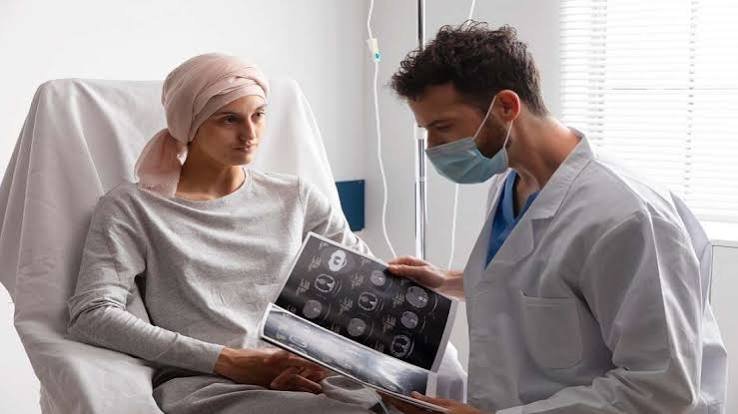
Cancer is one of the most challenging health conditions a person can face. While receiving a diagnosis can be overwhelming, choosing the right specialist is one of the most important decisions in your treatment journey. An experienced oncologist in Mumbai can help you understand your diagnosis, recommend the most appropriate treatment, and provide support throughout every stage of care.
Table Of Content
- What Is an Oncologist?
- Different Types of Oncologists
- Medical Oncologist
- Surgical Oncologist
- Radiation Oncologist
- When Should You Visit an Oncologist?
- Why Early Diagnosis Matters
- How to Choose the Right Oncologist in Mumbai
- Experience in Treating Your Cancer Type
- Qualifications and Training
- Multidisciplinary Cancer Care
- Advanced Treatment Technology
- Communication and Patient Support
- Hospital Infrastructure
- Questions to Ask During Your First Consultation
- Lifestyle Tips During Cancer Treatment
- The Importance of Emotional Support
- Advances in Cancer Treatment
- Finding the Right Oncologist in Mumbai
- Conclusion
Mumbai is known for its advanced healthcare infrastructure, modern cancer treatment facilities, and highly qualified oncology specialists. However, with many hospitals and specialists available, selecting the right oncologist can feel confusing. Understanding what an oncologist does and knowing what factors to consider can help you make a confident and informed choice.
What Is an Oncologist?
An oncologist is a medical doctor who specializes in diagnosing, treating, and managing cancer. These specialists work with a team of healthcare professionals to create personalized treatment plans based on the patient’s type of cancer, stage of disease, age, medical history, and overall health.
Cancer treatment has become more advanced over the years. Modern oncology focuses on providing effective treatment while maintaining the patient’s quality of life. Depending on the diagnosis, treatment may involve one or more therapies designed to achieve the best possible outcome.
Different Types of Oncologists
Cancer treatment often involves multiple specialists. Understanding their roles can help patients know who is responsible for different aspects of care.
Medical Oncologist
A medical oncologist manages cancer using treatments such as chemotherapy, immunotherapy, targeted therapy, hormone therapy, and newer precision medicines. They usually coordinate the overall treatment plan.
Surgical Oncologist
A surgical oncologist performs operations to remove cancerous tumors or obtain tissue samples for diagnosis. Surgery may be used alone or combined with other treatments.
Radiation Oncologist
Radiation oncologists use high-energy radiation to destroy cancer cells while protecting healthy tissue as much as possible. Radiation therapy may be given before surgery, after surgery, or as the primary treatment for certain cancers.
Many cancer patients receive care from all three specialists as part of a multidisciplinary treatment approach.
When Should You Visit an Oncologist?
Some patients are referred after imaging tests or biopsy reports suggest cancer. Others may be advised to consult an oncologist because of persistent symptoms that require further evaluation.
You should seek medical advice if you experience symptoms such as:
- A lump that continues to grow
- Unexplained weight loss
- Persistent fatigue
- Difficulty swallowing
- Blood in stool or urine
- A cough lasting several weeks
- Persistent pain without an obvious cause
- Changes in bowel or bladder habits
- Unusual bleeding
- Non-healing ulcers or sores
These symptoms do not always indicate cancer, but they should never be ignored. Early evaluation allows doctors to identify the underlying cause and begin treatment if necessary.
Why Early Diagnosis Matters
Cancer is often easier to treat when detected at an early stage. Many cancers develop slowly and may not produce noticeable symptoms in the beginning. Regular health check-ups and recommended cancer screening tests can help identify abnormalities before they become advanced.
Early diagnosis offers several benefits:
- More treatment options
- Better response to therapy
- Higher survival rates
- Less aggressive treatment in some cases
- Improved quality of life
People with a family history of cancer or certain lifestyle risk factors should discuss appropriate screening schedules with their healthcare provider.
How to Choose the Right Oncologist in Mumbai
Choosing an oncologist involves more than selecting the nearest hospital. Consider these important factors before making your decision.
Experience in Treating Your Cancer Type
Cancer includes many different diseases. Breast cancer, lung cancer, colorectal cancer, prostate cancer, blood cancers, and gynecological cancers all require different treatment approaches. Choose an oncologist who has experience treating your specific type of cancer.
Qualifications and Training
Review the specialist’s qualifications, years of experience, certifications, and professional background. Continuous education and experience with modern cancer treatments are valuable indicators.
Multidisciplinary Cancer Care
The most effective cancer care often comes from a team of specialists working together. This approach allows medical oncologists, surgeons, radiation specialists, radiologists, pathologists, nutritionists, psychologists, and rehabilitation experts to collaborate on your treatment plan.
Advanced Treatment Technology
Modern oncology includes advanced treatment options such as:
- Precision medicine
- Immunotherapy
- Targeted therapy
- Advanced chemotherapy protocols
- Image-guided radiation therapy
- Robotic-assisted cancer surgery
Hospitals with updated technology can provide more accurate diagnosis and personalized treatment.
Communication and Patient Support
Cancer treatment involves many decisions. A good oncologist explains the diagnosis, discusses treatment options, answers questions, and helps patients understand possible side effects. Open communication builds trust and reduces anxiety during treatment.
Hospital Infrastructure
A well-equipped hospital should provide diagnostic imaging, pathology services, laboratory facilities, pharmacy support, emergency care, intensive care units, and specialized oncology services in one location.
Questions to Ask During Your First Consultation
Preparing questions before your appointment helps you better understand your diagnosis and treatment plan.
Consider asking:
- What type of cancer do I have?
- What stage is the cancer?
- What treatment do you recommend?
- Are there alternative treatment options?
- What side effects should I expect?
- How long will treatment continue?
- Will I need surgery?
- What lifestyle changes should I make?
- What follow-up care will I need?
Taking notes during your consultation can help you remember important information later.
Lifestyle Tips During Cancer Treatment
Healthy lifestyle habits can support your treatment and recovery. While they do not replace medical treatment, they may improve overall well-being.
Some helpful habits include:
- Eat a balanced, nutritious diet.
- Stay physically active as advised by your doctor.
- Drink enough water.
- Get adequate sleep each night.
- Avoid tobacco products.
- Limit alcohol consumption.
- Manage stress through meditation or relaxation techniques.
- Attend all follow-up appointments.
Always discuss diet, supplements, and exercise plans with your healthcare team before making major changes.
The Importance of Emotional Support
Cancer affects emotional health as much as physical health. Many patients experience fear, anxiety, and uncertainty after diagnosis. Family support, counseling, patient support groups, and mental health professionals can play an important role throughout treatment.
Speaking openly about concerns and asking for help when needed can improve emotional well-being and help patients cope more effectively.
Advances in Cancer Treatment
Cancer care continues to improve with ongoing medical research. Today’s treatment options are more personalized than ever before.
Some recent advances include:
- Precision oncology
- Immunotherapy
- Molecular testing
- Targeted medicines
- Minimally invasive surgery
- Improved radiation planning
- Personalized treatment based on genetic testing
These innovations allow doctors to develop treatment plans that are better suited to each patient’s condition.
Finding the Right Oncologist in Mumbai
If you are looking for an experienced oncologist in Mumbai, choose a healthcare provider that combines medical expertise, modern treatment technology, multidisciplinary care, and compassionate patient support. Taking time to research your options and asking the right questions can help you receive the most appropriate care for your individual needs.
Conclusion
Choosing the right oncologist is one of the most important steps after a cancer diagnosis. A knowledgeable specialist, combined with timely diagnosis, personalized treatment, and ongoing support, can make a meaningful difference throughout the cancer journey.
Modern cancer care continues to advance, giving patients access to better treatment options and improved outcomes. If you notice unusual symptoms or have been advised to seek specialist care, do not delay consulting an experienced oncology professional. Early action and informed decisions can help improve treatment success and quality of life.




No Comment! Be the first one.