





Building High-Performance Commercial Kitchens for Long-Term Business Success
A commercial kitchen is much more than a place where food is prepared. It is the operational center of restaurants, hotels, hospitals, catering businesses, bakeries, and institutional facilities....

A commercial kitchen is much more than a place where food is prepared. It is the operational center of restaurants, hotels, hospitals, catering businesses, bakeries, and institutional facilities. Every decision, from selecting appliances to planning workflow, influences productivity, food quality, energy efficiency, and customer satisfaction. Choosing reliable kitchen equipment companies in UAE helps businesses establish kitchens that meet industry standards while supporting long-term operational growth.
Table Of Content
- Understanding the Role of Commercial Kitchen Planning
- Why Equipment Quality Matters
- Essential Equipment for Commercial Kitchens
- Cooking Equipment
- Refrigeration Systems
- Food Preparation Equipment
- Washing Equipment
- Stainless Steel Solutions for Modern Kitchens
- The Importance of Kitchen Workflow
- Energy Efficiency and Cost Savings
- Food Safety Starts with Proper Equipment
- Temperature Monitoring
- Easy-to-Clean Surfaces
- Proper Storage Systems
- Routine Equipment Maintenance
- Custom Kitchen Solutions for Different Industries
- Hotels
- Restaurants
- Bakeries
- Hospitals
- Educational Institutions
- Catering Businesses
- Maintenance Extends Equipment Life
- Technology Is Transforming Commercial Kitchens
- Digital Temperature Controls
- Programmable Cooking Functions
- Remote Equipment Monitoring
- Automated Cleaning Features
- Factors to Consider Before Purchasing Equipment
- Investing in Long-Term Operational Success
- Final Thought
Investing in durable equipment and intelligent kitchen planning reduces maintenance costs, improves staff efficiency, and creates a safer working environment. Whether launching a new food business or upgrading an existing facility, understanding the essential components of a commercial kitchen is the first step toward sustainable success.
Understanding the Role of Commercial Kitchen Planning
Designing a commercial kitchen requires careful planning before purchasing any equipment. Every section should allow employees to work efficiently while maintaining hygiene and food safety standards.
An organized kitchen layout minimizes unnecessary movement, speeds up food preparation, and reduces workplace accidents. Proper planning also ensures compliance with health regulations and simplifies future maintenance.
Business owners should consider factors such as production volume, available space, menu requirements, ventilation, utility connections, and future expansion before finalizing a kitchen design.
Why Equipment Quality Matters
Commercial kitchens operate continuously under demanding conditions. Equipment must withstand heavy daily usage while maintaining consistent performance.
High-quality equipment offers several advantages:
- Longer operational lifespan
- Reduced maintenance expenses
- Better energy efficiency
- Consistent cooking results
- Improved workplace safety
- Lower downtime during busy hours
Reliable equipment ultimately contributes to higher profitability because operations continue smoothly with fewer interruptions.
Essential Equipment for Commercial Kitchens
Every professional kitchen relies on multiple categories of equipment working together to deliver efficient food production.
Cooking Equipment
Cooking appliances form the foundation of every commercial kitchen. Depending on the menu, businesses may require ovens, ranges, grills, fryers, steamers, tilting pans, or induction cooking systems.
Selecting equipment that matches production requirements prevents unnecessary energy consumption while maximizing productivity.
Refrigeration Systems
Maintaining correct storage temperatures preserves ingredient freshness and prevents food spoilage.
Commercial refrigeration solutions include:
- Upright refrigerators
- Walk-in cold rooms
- Reach-in freezers
- Display chillers
- Under-counter refrigeration
- Beverage coolers
Reliable refrigeration helps businesses comply with food safety regulations while minimizing waste.
Food Preparation Equipment
Efficient food preparation reduces manual labor and improves consistency.
Common preparation equipment includes:
- Vegetable cutters
- Dough mixers
- Meat slicers
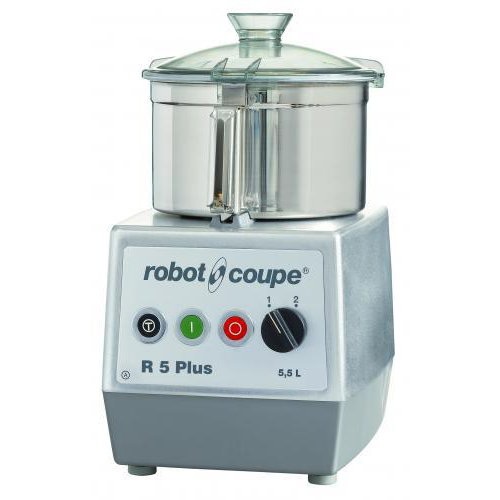
- Food processors
- Planetary mixers
- Meat mincers
These machines accelerate production while maintaining uniform product quality.
Washing Equipment
Maintaining hygiene is essential for every food establishment.
Commercial washing solutions include:
- Hood-type dishwashers
- Conveyor dishwashers
- Glass washers
- Pot washers
- Stainless steel sinks
Efficient washing systems reduce labor while ensuring sanitary cleaning standards.
Stainless Steel Solutions for Modern Kitchens
Stainless steel remains the preferred material for professional kitchens because it offers durability, corrosion resistance, and easy maintenance.
Common stainless-steel products include:
- Preparation tables
- Storage shelves
- Wall-mounted cabinets
- Exhaust hoods
- Workstations
- Trolleys
- Wash basins
Its smooth surface makes cleaning easier while reducing bacterial contamination risks.
The Importance of Kitchen Workflow
An efficient kitchen follows a logical workflow from receiving ingredients to serving finished meals.
A typical workflow includes:
- Receiving supplies
- Dry and cold storage
- Food preparation
- Cooking
- Plating
- Serving
- Dishwashing
Separating these work zones minimizes cross-contamination and improves staff productivity during peak service hours.
Energy Efficiency and Cost Savings
Energy-efficient equipment has become increasingly important for commercial kitchens.
Modern appliances feature advanced insulation, digital controls, and optimized heating systems that reduce electricity and gas consumption.
Lower utility costs provide long-term financial benefits while supporting environmentally responsible business practices.
Businesses also benefit from:
- Reduced carbon emissions
- Lower maintenance requirements
- Faster cooking cycles
- Better temperature control
- Longer equipment lifespan
Food Safety Starts with Proper Equipment
Food safety depends heavily on maintaining proper temperatures, cleanliness, and operational consistency.
Commercial kitchens should implement strict food safety practices, including:
Temperature Monitoring
Accurate temperature control prevents bacterial growth and maintains food quality throughout storage and preparation.
Easy-to-Clean Surfaces
Smooth stainless-steel surfaces simplify sanitation and reduce contamination risks.
Proper Storage Systems
Organized storage prevents ingredient spoilage while improving inventory management.
Routine Equipment Maintenance
Regular inspections help identify wear before it develops into costly failures or food safety concerns.
Custom Kitchen Solutions for Different Industries
Every industry has unique operational requirements.
Hotels
Hotel kitchens often serve multiple restaurants, banquet halls, room service, and catering operations simultaneously.
Restaurants
Restaurants require flexible equipment that accommodates changing menus while maintaining consistent food quality.
Bakeries
Bakeries depend on specialized ovens, mixers, proofing cabinets, and preparation stations.
Hospitals
Healthcare facilities prioritize hygiene, nutritional consistency, and large-scale meal production.
Educational Institutions
Schools and universities require equipment capable of serving hundreds or thousands of meals daily while maintaining efficiency.
Catering Businesses
Mobile and central production kitchens require equipment designed for high-volume food preparation and transportation.
Maintenance Extends Equipment Life
Routine maintenance protects investments and reduces unexpected operational interruptions.
Effective maintenance includes:
- Cleaning equipment daily
- Checking gas and electrical connections
- Replacing worn components
- Calibrating temperature controls
- Inspecting refrigeration systems
- Lubricating moving parts where necessary
Scheduled servicing helps maintain consistent performance while lowering repair costs.
Technology Is Transforming Commercial Kitchens
Modern commercial kitchens increasingly integrate smart technologies that improve operational efficiency.
Examples include:
Digital Temperature Controls
Precise settings improve cooking consistency while reducing energy consumption.
Programmable Cooking Functions
Automated cooking programs reduce staff training requirements and improve product consistency.
Remote Equipment Monitoring
Managers can monitor equipment performance and maintenance requirements through connected systems.
Automated Cleaning Features
Some appliances include self-cleaning functions that reduce labor while maintaining hygiene.
Technology enables businesses to improve productivity while maintaining consistent service quality.
Factors to Consider Before Purchasing Equipment
Selecting commercial kitchen equipment involves more than comparing prices.
Important considerations include:
- Kitchen size
- Production capacity
- Utility availability
- Menu requirements
- Energy consumption
- Ease of maintenance
- Warranty support
- Spare parts availability
- Safety certifications
- Future scalability
Evaluating these factors ensures equipment continues supporting business operations for many years.
Investing in Long-Term Operational Success
Commercial kitchens represent significant investments, making careful planning essential.
Businesses that prioritize quality equipment, efficient layouts, and regular maintenance experience improved operational efficiency, lower operating costs, and higher customer satisfaction.
A well-designed kitchen not only supports daily food production but also allows businesses to adapt as customer demand grows. Investing wisely today reduces operational challenges tomorrow while creating a solid foundation for sustainable expansion.
Final Thought
A successful commercial kitchen combines thoughtful design, durable equipment, efficient workflow, and consistent maintenance. Every component plays a role in delivering safe, high-quality food while improving productivity and controlling operating costs. Businesses that invest in dependable kitchen infrastructure position themselves for long-term success in an increasingly competitive hospitality industry. Proper cold-chain management can also be strengthened with specialized equipment such as a blast freezer, helping preserve food quality, minimize waste, and maintain high standards of food safety.




No Comment! Be the first one.