






Clean Agent Fire Protection System vs. Fire Hydrant System Installation: A Complete Guide for Industrial Safety
Fire safety is no longer an afterthought for Indian industries — it’s a compliance necessity and a business survival strategy. Whether you run a manufacturing plant, a data centre, a...

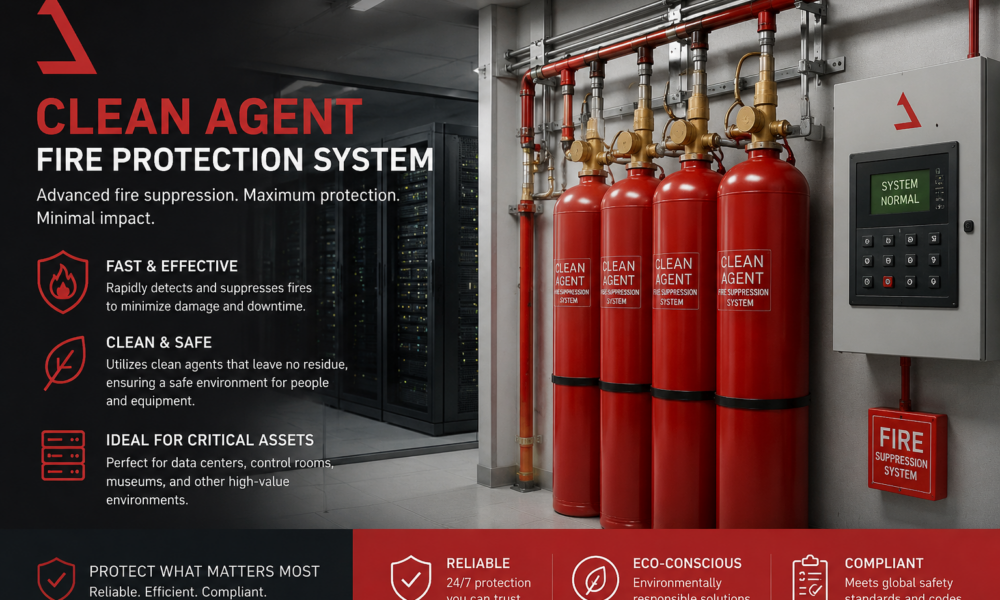
Fire safety is no longer an afterthought for Indian industries — it’s a compliance necessity and a business survival strategy. Whether you run a manufacturing plant, a data centre, a pharmaceutical unit, or a large warehouse, choosing the right combination of fire protection technologies can mean the difference between a minor incident and a catastrophic loss. Two of the most critical systems every facility manager should understand are the clean agent fire protection system and fire hydrant system installation. At Agnim Engineerz, a Noida-based fire safety EPC company serving clients pan-India since 2017, these two systems form the backbone of most industrial fire safety designs.
Table Of Content
In this blog, we break down what these systems are, how they work, where they’re used, and why professional design and installation matter.
What Is a Clean Agent Fire Protection System?
A clean agent fire protection system is an automatic fire suppression solution that uses electrically non-conductive, non-corrosive gaseous agents — such as FM-200, Novec 1230, or Inergen — to extinguish fires without leaving any residue. Unlike water-based sprinklers, clean agents don’t damage sensitive electronics, documents, or machinery, which makes them ideal for:
- Server rooms and data centres
- Electrical panel rooms and control rooms
- Museums, archives, and record rooms
- Telecom switching stations
- Pharmaceutical and laboratory environments
The system works by rapidly flooding the protected enclosure with the suppression agent upon fire or smoke detection, reducing oxygen concentration or interrupting the chemical combustion process — all within seconds, before the fire can spread or damage critical assets.
Why Clean Agent Systems Matter
Traditional fire suppression methods like water or foam can destroy the very equipment they’re meant to protect. A clean agent system extinguishes fire while keeping electronic assets, inventory, and documentation intact. This makes it a preferred choice for industries where downtime and data loss carry heavy financial consequences. Agnim Engineerz offers dedicated Clean Agent Fire Suppression System Installation and Novec 1230 Fire Suppression System services, engineered to meet NFPA 2001 and FM Global standards, ensuring your high-value assets stay protected around the clock.
What Is Fire Hydrant System Installation?
A fire hydrant system is a network of pipes, valves, hydrant outlets, hose reels, and pumps designed to deliver a continuous, high-pressure supply of water to fight fires across a facility or building. It typically includes:
- Underground or overhead piping network
- Fire hydrant valves (internal and external)
- Hose reels and landing valves
- Fire pump room with electric, diesel, and jockey pumps
- Water storage tanks sized as per NBC/NFPA norms
Fire hydrant system installation is mandatory for most industrial, commercial, and high-rise buildings under National Building Code (NBC) and local fire NOC requirements. A properly designed hydrant system ensures firefighters and on-site fire teams have immediate, reliable access to water at every corner of a facility — including hard-to-reach zones like warehouses, loading docks, and multi-storey structures.
Key Considerations for Hydrant System Design
Effective fire hydrant system installation depends on accurate fire load calculation, correct pump sizing, adequate water reserve, and proper hydraulic design so that water pressure remains consistent at the farthest hydrant point. Poorly designed systems often fail exactly when needed — during an actual fire emergency. This is why professional fire adequacy studies and system design, backed by real engineering calculations rather than guesswork, are essential before installation begins.
Why Choose a Professional EPC Partner
Both clean agent systems and hydrant systems involve complex engineering — hydraulic calculations, agent quantity design, detection integration, and compliance with NFPA, FM Global, and NBC standards. Agnim Engineerz brings over 20 years of combined leadership experience across international EPC projects, having designed and installed systems for high-hazard industries including oil & gas, chemicals, pharmaceuticals, and consumer goods manufacturing. Their in-house teams handle everything from fire adequacy study and system design to procurement, installation, testing, and OEM certification — with genuine components from top manufacturers and both standard and extended warranties.
Clients such as Whirlpool of India, Orient Electric, Metso Outotec, Bajaj Consumer Care, and King Koil have relied on Agnim Engineerz for integrated fire hydrant, sprinkler, and detection system projects across multiple states, reflecting the company’s pan-India delivery capability and consistent quality standards.
Combining Systems for Complete Protection
Most large facilities don’t rely on a single fire protection method. A typical industrial fire safety design layers multiple systems together: fire hydrant systems for structural and general area coverage, sprinkler systems for automatic response in production and storage zones, and clean agent systems specifically for electrical panels, control rooms, and server areas where water-based suppression isn’t suitable. This layered approach, when engineered correctly, ensures both life safety and asset protection under a single compliant fire safety strategy — one that satisfies fire NOC requirements and insurance audit criteria alike.
Maintenance Matters as Much as Installation
A fire protection system is only as good as its upkeep. Regular testing of hydrant pumps, hose reels, and clean agent cylinder pressure is essential to ensure readiness during an actual emergency. Annual Maintenance Contracts (AMC) with defined SOPs and checklists help facilities stay audit-ready and compliant year-round, rather than discovering a faulty valve or empty cylinder only when a fire breaks out.
FAQs
1. What is the main difference between a clean agent system and a fire hydrant system? A clean agent system uses gaseous agents to suppress fire without residue, ideal for electronics and sensitive equipment. A fire hydrant system uses pressurized water delivered through pipes and hydrant valves, suited for general structural fire fighting across larger areas.
2. Is clean agent fire suppression safe for occupied spaces? Yes. Agents like Novec 1230 and FM-200 are designed to be safe for briefly occupied spaces at design concentrations, though evacuation procedures are still recommended as part of standard safety protocol.
3. How often should a fire hydrant system be tested? Fire hydrant systems should undergo routine testing — typically monthly pump runs and periodic hydraulic pressure checks — along with an annual comprehensive inspection to remain compliant with NFPA and NBC standards.
4. Which industries commonly use clean agent fire protection systems? Data centres, telecom rooms, electrical panel rooms, pharmaceutical labs, museums, and record archives commonly use clean agent systems due to the need for residue-free suppression.
5. Does Agnim Engineerz provide both design and installation services? Yes. Agnim Engineerz offers end-to-end EPC services covering fire adequacy study, system design, procurement, installation, testing, OEM certification, and ongoing AMC support for both clean agent and fire hydrant systems.
6. Why is professional fire hydrant system installation important? Incorrect pipe sizing or pump selection can lead to inadequate water pressure exactly when it’s needed most. Professional design ensures your system meets fire load requirements and passes fire NOC inspections without costly rework.
Final Thoughts
Investing in the right combination of a clean agent fire protection system and a properly engineered fire hydrant system installation isn’t just about regulatory compliance — it’s about protecting people, assets, and business continuity. With over 20 years of leadership experience and a track record across India’s leading manufacturing and industrial brands, Agnim Engineerz delivers fire safety systems designed to perform when it matters most. To discuss a fire safety solution tailored to your facility, connect with the Agnim Engineerz team at their Noida office or explore their full range of services at Agnim Engineerz.





No Comment! Be the first one.