





High-Protein Vegetarian Diet Plan For Muscle Gain (Complete Guide)
Looking for the best High-Protein Vegetarian Diet Plan For Muscle Gain? You’re in the right place. At RealHealthio, we believe that building muscle doesn’t require eating meat. With the...

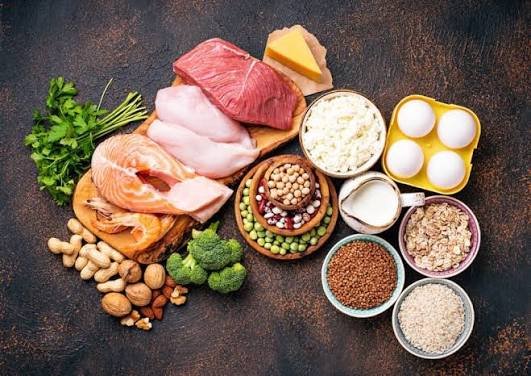
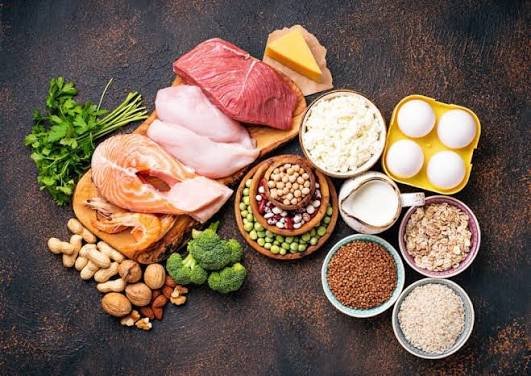
Looking for the best High-Protein Vegetarian Diet Plan For Muscle Gain? You’re in the right place. At RealHealthio, we believe that building muscle doesn’t require eating meat. With the right combination of protein-rich vegetarian foods, strength training, and a balanced diet, you can gain lean muscle effectively.
Table Of Content
- Why Protein Is Important for Muscle Gain
- Best High-Protein Vegetarian Foods
- Sample High-Protein Vegetarian Diet Plan
- Breakfast
- Mid-Morning Snack
- Lunch
- Evening Snack
- Dinner
- Before Bed
- Foods That Support Muscle Growth
- Tips for Building Muscle on a Vegetarian Diet
- Common Mistakes to Avoid
- Do You Need Protein Supplements?
- Frequently Asked Questions
- Can vegetarians build muscle without eating meat?
- What is the best vegetarian protein source?
- How much protein do I need for muscle gain?
- Is paneer good for muscle building?
- Can I gain muscle without protein powder?
- Final Thoughts
This comprehensive guide from RealHealthio covers the best vegetarian protein sources, a complete daily meal plan, recommended protein intake, muscle-building tips, common mistakes to avoid, and answers to frequently asked questions. Whether you’re a beginner or an experienced fitness enthusiast, this high-protein vegetarian diet plan will help you achieve your muscle gain goals naturally.
Building muscle on a vegetarian diet is completely possible when you eat enough protein, calories, and nutrient-rich foods. Many people believe that only meat can support muscle growth, but foods like paneer, tofu, soy chunks, lentils, chickpeas, beans, quinoa, dairy products, and nuts can provide all the protein your body needs.
Whether you’re a beginner or an experienced gym-goer, following a well-balanced high-protein vegetarian diet can help increase muscle mass, improve recovery, and boost strength.
Why Protein Is Important for Muscle Gain
Protein supplies the amino acids your body needs to repair and build muscle tissue after workouts. Resistance training creates tiny tears in muscle fibers, and protein helps rebuild them stronger than before.
Experts generally recommend consuming around 1.6–2.2 grams of protein per kilogram of body weight per day for people aiming to maximize muscle growth.
Best High-Protein Vegetarian Foods
Here are some of the best vegetarian protein sources:
| Food | Protein (Approx.) |
|---|---|
| Soy Chunks (100g dry) | 52g |
| Paneer (100g) | 18–20g |
| Tofu (100g) | 15–17g |
| Greek Yogurt (200g) | 20g |
| Cottage Cheese | 18g |
| Lentils (1 cup cooked) | 18g |
| Chickpeas (1 cup cooked) | 15g |
| Kidney Beans (1 cup cooked) | 15g |
| Edamame (1 cup) | 17g |
| Milk (250ml) | 8g |
| Peanut Butter (2 tbsp) | 8g |
| Almonds (30g) | 6g |
| Pumpkin Seeds (30g) | 9g |
| Quinoa (1 cup cooked) | 8g |
| Oats (100g) | 13g |
Sample High-Protein Vegetarian Diet Plan
Breakfast
- Oats cooked with milk
- Greek yogurt
- Mixed berries or banana
- Chia seeds
- Almonds
Protein: 35–40g
Mid-Morning Snack
- Protein smoothie with milk
- Peanut butter
- Banana
- Whey or plant protein (optional)
Protein: 25–35g
Lunch
- Brown rice or quinoa
- Paneer or tofu
- Dal
- Mixed vegetables
- Salad
Protein: 40–45g
Evening Snack
- Roasted chickpeas
- Greek yogurt
- Fruit
Protein: 20–25g
Dinner
- Soy chunks or tofu curry
- Whole wheat chapati
- Mixed vegetables
Protein: 40–45g
Before Bed
- Cottage cheese or milk
Protein: 15–20g
Total Daily Protein: Approximately 170–190 grams (adjust portions according to your body weight and calorie needs).
Foods That Support Muscle Growth
Include these foods regularly:
- Paneer
- Tofu
- Soy chunks
- Lentils
- Chickpeas
- Kidney beans
- Greek yogurt
- Cottage cheese
- Milk
- Quinoa
- Oats
- Nuts and seeds
- Peanut butter
- Edamame
- Whole grains
Tips for Building Muscle on a Vegetarian Diet
- Eat protein with every meal.
- Consume enough calories to support muscle growth.
- Lift weights consistently and increase training intensity over time.
- Stay hydrated throughout the day.
- Aim for 7–9 hours of quality sleep each night.
- Include healthy fats from nuts, seeds, and avocados.
- Eat carbohydrates before and after workouts to fuel performance and recovery.
Common Mistakes to Avoid
- Eating too little protein.
- Skipping meals.
- Relying heavily on processed foods.
- Not consuming enough calories.
- Ignoring strength training.
- Poor sleep and recovery.
- Inconsistent workout routines.
Do You Need Protein Supplements?
Protein supplements are optional. Most people can meet their protein needs through whole foods such as dairy products, soy foods, legumes, and grains. However, whey protein or plant-based protein powders can be a convenient option if it’s difficult to reach your daily protein target.
Frequently Asked Questions
Can vegetarians build muscle without eating meat?
Yes. A balanced vegetarian diet with enough protein, calories, and strength training can effectively support muscle growth.
What is the best vegetarian protein source?
Soy chunks are among the highest-protein vegetarian foods. Paneer, tofu, Greek yogurt, lentils, and legumes are also excellent choices.
How much protein do I need for muscle gain?
Most active individuals benefit from consuming 1.6–2.2 grams of protein per kilogram of body weight per day, depending on training intensity and goals.
Is paneer good for muscle building?
Yes. Paneer is rich in protein and contains casein, a slow-digesting protein that supports muscle recovery and helps maintain muscle mass.
Can I gain muscle without protein powder?
Absolutely. Whole foods such as paneer, tofu, soy chunks, legumes, dairy products, nuts, and seeds can provide sufficient protein for muscle growth when consumed in adequate amounts.
Final Thoughts
A high-protein vegetarian diet can be just as effective as a non-vegetarian diet for building muscle. Focus on consuming high-quality protein sources, maintaining a calorie surplus if your goal is muscle gain, following a structured strength-training program, and prioritizing recovery. With consistency, proper nutrition, and progressive training, you can successfully increase muscle mass while following a vegetarian lifestyle.





No Comment! Be the first one.