






How Do Lighting Companies in Qatar Help Transform Residential and Commercial Spaces?
Lighting plays a significant role in shaping the atmosphere, functionality, and visual appeal of any property. Whether it is a modern home, office, retail store, hotel, or outdoor landscape, the...

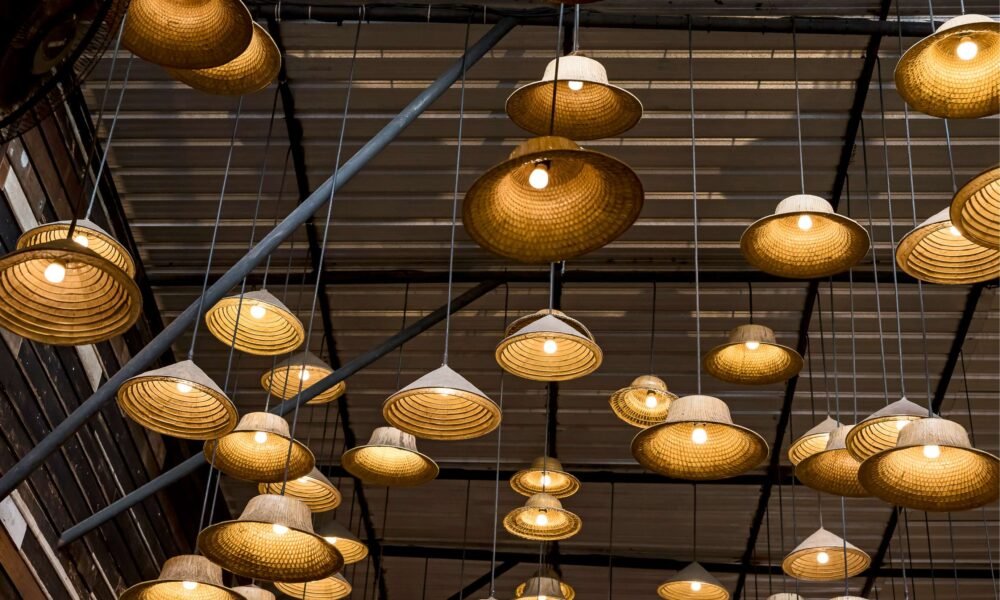
Lighting plays a significant role in shaping the atmosphere, functionality, and visual appeal of any property. Whether it is a modern home, office, retail store, hotel, or outdoor landscape, the right lighting design can completely change how a space looks and feels. Today, property owners are investing more in innovative lighting solutions that combine aesthetics, energy efficiency, and smart technology.
Table Of Content
- The Importance of Professional Lighting Design
- Understanding Residential Lighting
- Enhancing Interior Spaces
- Ambient Lighting
- Task Lighting
- Accent Lighting
- Improving Outdoor Residential Areas
- Garden Lighting
- Pathway Lighting
- Patio Lighting
- Security Lighting
- Smart Lighting for Modern Homes
- Commercial Lighting Solutions
- Office Lighting
- General Office Lighting
- Meeting Room Lighting
- Reception Lighting
- Retail Lighting
- Hospitality Lighting
- Industrial Lighting
- Energy Efficiency Matters
- The Role of Lighting in Interior Design
- Architectural Lighting
- Decorative Lighting Applications
- Landscape Lighting
- Tree Lighting
- Water Feature Lighting
- Deck Lighting
- Driveway Lighting
- The Importance of Customized Lighting Plans
- Supporting Sustainability Goals
- Safety Through Better Lighting
- Choosing the Right Lighting Products
- Purpose
- Brightness
- Color Temperature
- Energy Consumption
- Durability
- Technology Is Changing Modern Lighting
- Residential Renovation Benefits
- Commercial Property Advantages
- Why Professional Expertise Matters
- Final Thoughts
Professional lighting companies in qatar help clients create attractive and functional environments by offering customized lighting solutions for different applications. From architectural lighting to decorative installations, they provide expertise that ensures every project achieves the desired effect. Similarly, net light solutions have become increasingly popular for decorative applications, celebrations, landscapes, and commercial displays because of their ease of installation and attractive appearance.
In this guide, we will explore how professional lighting providers transform residential and commercial spaces while improving comfort, efficiency, and long-term value.
The Importance of Professional Lighting Design
Lighting is much more than simply illuminating a room. It influences mood, productivity, safety, and even the perceived size of a space.
A well-planned lighting system can:
- Enhance interior aesthetics
- Improve visibility
- Increase energy efficiency
- Highlight architectural features
- Create welcoming environments
- Support different daily activities
- Improve workplace productivity
- Enhance customer experiences
Professional planning ensures that every lighting fixture serves a purpose while complementing the overall design.
Understanding Residential Lighting
Residential lighting combines functionality with style. Every area of a home has different lighting requirements depending on its purpose.
Living rooms require comfortable ambient lighting with accent fixtures that highlight decorative elements. Kitchens need bright task lighting for food preparation, while bedrooms benefit from softer illumination that promotes relaxation.
Bathrooms require balanced lighting around mirrors, and outdoor areas need weather-resistant fixtures that improve safety while enhancing curb appeal.
Professional lighting designers carefully evaluate each area before recommending suitable lighting layouts.
Enhancing Interior Spaces
Proper lighting transforms ordinary interiors into elegant living environments.
Some of the most effective interior lighting techniques include:
Ambient Lighting
Ambient lighting provides the primary source of illumination throughout a room. Ceiling-mounted fixtures, recessed lights, and pendant lights are commonly used to distribute light evenly.
Task Lighting
Task lighting focuses on specific activities such as reading, cooking, studying, or working.
Examples include:
- Desk lamps
- Cabinet lighting
- Vanity lights
- Kitchen under-cabinet lighting
Accent Lighting
Accent lighting highlights artwork, decorative walls, furniture, shelves, or architectural details.
This type of lighting creates depth and visual interest while making interiors appear more luxurious.
Improving Outdoor Residential Areas
Outdoor lighting significantly enhances both beauty and security.
Popular applications include:
Garden Lighting
Landscape lighting showcases plants, pathways, water features, and outdoor seating areas.
Pathway Lighting
Well-lit walkways reduce accident risks while improving nighttime navigation.
Patio Lighting
Outdoor entertainment areas become more inviting with carefully placed decorative lighting.
Security Lighting
Motion sensors and strategically positioned fixtures improve home safety without compromising aesthetics.
Smart Lighting for Modern Homes
Modern homeowners increasingly prefer smart lighting systems because they offer convenience and energy savings.
Smart lighting allows users to:
- Control lights remotely
- Adjust brightness levels
- Change lighting schedules
- Create customized scenes
- Integrate with home automation systems
- Reduce electricity consumption
These features make daily living more comfortable while lowering operating costs.
Commercial Lighting Solutions
Commercial spaces require lighting that supports productivity, customer engagement, and operational efficiency.
Different industries have unique lighting requirements.
Examples include:
- Offices
- Retail stores
- Shopping malls
- Hotels
- Restaurants
- Educational institutions
- Healthcare facilities
- Warehouses
Professional designers create customized lighting layouts based on business objectives.
Office Lighting
Office lighting directly affects employee comfort and productivity.
Proper lighting reduces eye strain, minimizes glare, and creates comfortable working environments.
Common office lighting includes:
General Office Lighting
Uniform illumination supports everyday work activities.
Meeting Room Lighting
Adjustable lighting allows flexibility during presentations and collaborative sessions.
Reception Lighting
Bright and welcoming entrance areas create positive first impressions for visitors.
Retail Lighting
Lighting has a powerful influence on customer behavior.
Retail lighting helps:
- Highlight featured products
- Improve product visibility
- Encourage longer shopping visits
- Create attractive displays
- Strengthen brand identity
Layered lighting techniques ensure customers enjoy a comfortable shopping experience.
Hospitality Lighting
Hotels and restaurants rely heavily on lighting to create memorable guest experiences.
Warm lighting creates relaxing atmospheres in guest rooms and dining areas, while decorative fixtures add elegance to lobbies and reception spaces.
Outdoor hospitality lighting also enhances pools, gardens, and event venues.
Industrial Lighting
Industrial facilities require durable lighting systems capable of operating efficiently in demanding environments.
Industrial lighting priorities include:
- High brightness
- Energy efficiency
- Long operational life
- Low maintenance
- Workplace safety
LED technology has become the preferred solution due to its reliability and reduced energy consumption.
Energy Efficiency Matters
Energy-efficient lighting has become essential for both residential and commercial buildings.
LED lighting offers several advantages:
- Lower electricity usage
- Longer lifespan
- Reduced maintenance
- Lower heat generation
- Better brightness
- Environmentally friendly performance
Businesses can significantly reduce operating expenses by upgrading outdated lighting systems.
The Role of Lighting in Interior Design
Interior designers consider lighting one of the most important design elements.
Lighting helps define:
- Room proportions
- Furniture placement
- Decorative textures
- Color perception
- Visual balance
Even the most beautifully designed interiors can appear dull without proper lighting.
Architectural Lighting
Architectural lighting emphasizes the unique features of a building.
Applications include:
- Building facades
- Columns
- Entryways
- Rooflines
- Exterior walls
- Public spaces
Creative lighting transforms buildings into attractive landmarks after sunset.
Decorative Lighting Applications
Decorative lighting combines functionality with artistic appeal.
Popular decorative fixtures include:
- Chandeliers
- Pendant lights
- Wall sconces
- LED strips
- Decorative ceiling fixtures
Seasonal decorative installations also play an important role in events and celebrations.
One increasingly popular decorative solution is net light, which provides uniform illumination across gardens, fences, event venues, balconies, and commercial displays. Its flexible design makes installation quick while delivering an impressive visual effect.
Landscape Lighting
Landscape lighting extends outdoor living spaces while enhancing property value.
Professional landscape lighting typically includes:
Tree Lighting
Spotlights highlight mature trees and garden features.
Water Feature Lighting
Pools, fountains, and waterfalls become dramatic focal points during evening hours.
Deck Lighting
Integrated lighting improves safety while creating pleasant entertainment areas.
Driveway Lighting
Well-lit driveways improve navigation and enhance curb appeal.
The Importance of Customized Lighting Plans
Every building has unique requirements.
Professional lighting specialists evaluate:
- Building size
- Ceiling height
- Natural light availability
- Interior layout
- User activities
- Energy goals
- Budget
- Maintenance requirements
Customized planning delivers better performance than generic lighting layouts.
Supporting Sustainability Goals
Sustainability has become a priority across modern construction projects.
Efficient lighting contributes to greener buildings by reducing electricity demand and minimizing environmental impact.
Additional sustainable practices include:
- Motion sensors
- Daylight harvesting
- Smart controls
- Programmable lighting schedules
- High-efficiency LED fixtures
These technologies help buildings meet environmental standards while reducing long-term operating costs.
Safety Through Better Lighting
Lighting plays a major role in improving safety.
Proper illumination helps prevent:
- Slips
- Trips
- Falls
- Workplace accidents
- Parking lot incidents
- Security risks
Emergency lighting systems also ensure safe evacuation during power outages.
Choosing the Right Lighting Products
Selecting suitable fixtures depends on several factors.
Important considerations include:
Purpose
Determine whether lighting is intended for ambient, task, decorative, or security purposes.
Brightness
Choose appropriate lumen levels based on room usage.
Color Temperature
Warm lighting creates comfortable environments, while cooler lighting supports productivity.
Energy Consumption
Efficient lighting reduces operating costs over many years.
Durability
Outdoor fixtures should withstand environmental conditions while maintaining reliable performance.
Technology Is Changing Modern Lighting
Lighting technology continues to evolve rapidly.
Current innovations include:
- Wireless controls
- Smart sensors
- Voice-controlled lighting
- Tunable white lighting
- Color-changing LEDs
- Occupancy sensors
- Automated scheduling
These technologies improve convenience while maximizing energy efficiency.
Residential Renovation Benefits
Upgrading lighting during home renovations offers numerous advantages.
Improved lighting can:
- Increase property value
- Modernize interiors
- Reduce utility bills
- Improve comfort
- Highlight architectural upgrades
- Enhance outdoor living spaces
Professional planning ensures every renovation achieves the desired appearance.
Commercial Property Advantages
Businesses benefit significantly from modern lighting systems.
Advantages include:
- Improved employee productivity
- Better customer experiences
- Lower maintenance expenses
- Reduced electricity consumption
- Enhanced brand image
- Increased workplace safety
These benefits contribute to long-term operational success.
Why Professional Expertise Matters
Designing an effective lighting system requires technical knowledge and practical experience.
Professional specialists understand:
- Light distribution
- Fixture positioning
- Electrical requirements
- Building regulations
- Energy efficiency standards
- Architectural integration
Their expertise helps avoid common installation mistakes while maximizing lighting performance.
Many property owners rely on lighting companies in qatar because they provide complete lighting solutions from initial planning to installation and maintenance. Their experience helps ensure that residential and commercial projects achieve both visual appeal and practical functionality.
Final Thoughts
Lighting has the power to completely transform how residential and commercial spaces look, feel, and function. From enhancing architectural beauty to improving productivity and reducing energy consumption, a professionally designed lighting system delivers lasting value for every type of property.
Modern lighting solutions continue to evolve through smart technology, energy-efficient LEDs, and innovative decorative options that meet the growing expectations of homeowners and businesses alike. Whether creating inviting interiors, illuminating landscapes, or improving workplace efficiency, thoughtful lighting design remains an essential part of successful building projects.
As demand for sustainable and visually appealing environments continues to grow, investing in professional lighting planning becomes an important step toward creating spaces that are attractive, comfortable, efficient, and built to perform for years to come.







No Comment! Be the first one.