






How Gymnastics Bars Help Build Strength, Balance, and Confidence
Developing athletic ability goes far beyond learning impressive skills. Young athletes need equipment that encourages consistent practice while supporting physical development and self-belief. Among...

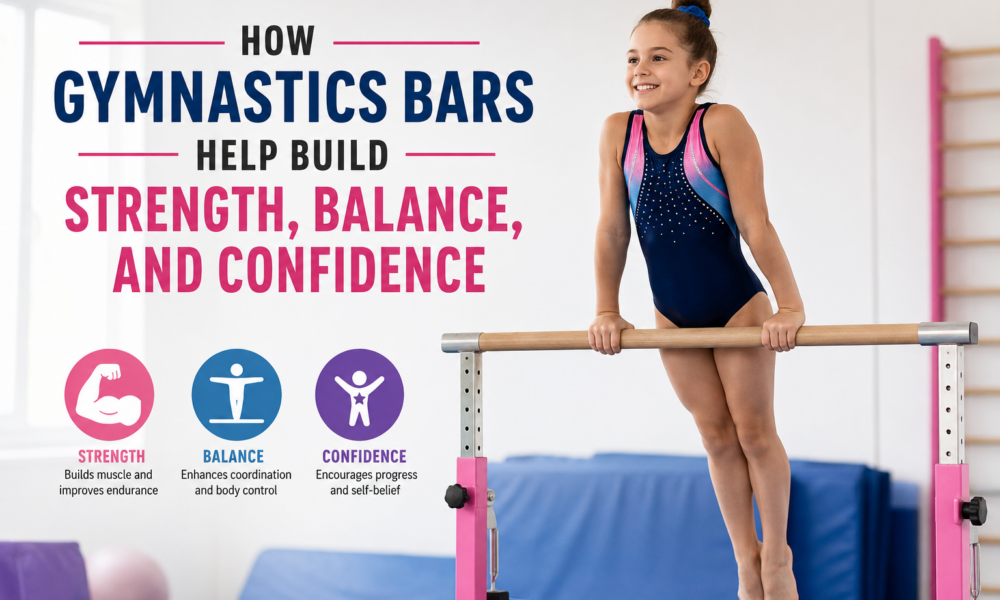
Developing athletic ability goes far beyond learning impressive skills. Young athletes need equipment that encourages consistent practice while supporting physical development and self-belief. Among the most valuable pieces of training equipment available today are Gymnastics Bars, which provide a safe and effective way for beginners and developing gymnasts to strengthen their bodies, improve coordination, and gain confidence through regular practice.
Table Of Content
- Developing Full-Body Strength
- Improving Balance Through Controlled Movement
- Building Confidence One Skill at a Time
- Encouraging Safe Skill Progression
- Supporting Consistent Home Practice
- Choosing Quality Equipment Matters
- A Long-Term Investment in Physical Development
- Conclusion
- Frequently Asked Questions
- 1. At what age can children begin practicing on gymnastics training bars?
- 2. How often should beginners practice?
- 3. Are adjustable training bars better than fixed-height models?
- 4. What safety equipment should be used during practice?
- 5. Can home practice replace gymnastics classes?
Whether training at a gymnastics club or practicing at home under supervision, a well-designed training bar creates opportunities to master foundational techniques. It allows athletes to repeat movements, build muscle memory, and progress at a comfortable pace without unnecessary pressure.
Developing Full-Body Strength
Gymnastics is widely recognized as one of the best activities for developing functional strength. Instead of relying solely on weights, athletes use their own body weight to perform movements that activate multiple muscle groups simultaneously.
Training on a single horizontal bar engages the shoulders, arms, wrists, back, chest, core, and legs. Simple exercises such as hanging, swinging, support holds, and pull-ups encourage muscles to work together rather than in isolation. As strength increases, athletes naturally develop better control over their movements.
This gradual progression helps improve endurance while reducing the risk of overloading developing joints. Beginners can focus on mastering basic positions before advancing to more technical skills, making training both productive and enjoyable.
Improving Balance Through Controlled Movement
Balance is one of the most important components of gymnastics. Every movement requires body awareness, stability, and precise control.
Practicing on training bars teaches athletes how to distribute body weight correctly while maintaining alignment. Even basic exercises require concentration and coordination, encouraging better posture and improved stability.
As athletes repeat drills consistently, their bodies learn how to react more efficiently to movement. This increased awareness often transfers into other sports and daily activities, helping improve coordination, agility, and overall athletic performance.
Better balance also contributes to smoother skill progression, allowing gymnasts to perform movements with greater confidence and precision.
Building Confidence One Skill at a Time
Confidence is rarely developed overnight. It grows through repeated success, overcoming challenges, and seeing measurable improvement.
Every new achievement—whether it is holding a support position for a few extra seconds or successfully completing a new drill—provides motivation to continue learning. Small victories encourage athletes to set new goals while reinforcing a positive mindset.
A consistent practice routine allows young gymnasts to become familiar with movements before attempting them in a competitive or coaching environment. This familiarity reduces hesitation and encourages greater self-confidence.
Parents and coaches often notice that children who regularly practice gymnastics become more willing to tackle challenges both inside and outside the gym. The discipline required during training frequently carries over into school, extracurricular activities, and everyday problem-solving.
Encouraging Safe Skill Progression
Effective gymnastics training is built on gradual progression rather than rushing into advanced skills.
Quality equipment designed for beginners typically includes features such as adjustable heights, sturdy construction, and enhanced stability. These characteristics allow athletes to practice age-appropriate exercises while developing proper technique.
Many modern training bars also include protective padding and optional safety mats to create a more comfortable learning environment. Stable bases and secure designs help reduce unnecessary movement during practice, allowing athletes to focus on improving technique instead of worrying about equipment stability. These features have become common in quality home training equipment designed specifically for younger gymnasts.
Supporting Consistent Home Practice
Regular practice plays a major role in long-term improvement. While weekly coaching sessions provide expert instruction, additional practice at home helps reinforce newly learned techniques.
Having access to Gymnastics Bars at home allows young athletes to revisit basic drills, improve flexibility, and strengthen important muscle groups between classes. This consistency accelerates skill development while helping athletes retain what they learn during coaching sessions.
Parents also appreciate equipment that is practical for home use. Adjustable height options, compact designs, and foldable models make storage easier while accommodating growing athletes. Some premium models also include wheels for convenient movement and padded bars for additional comfort during training.
Choosing Quality Equipment Matters
Not every training bar offers the same level of safety or durability. When selecting equipment, families should consider build quality, stability, adjustability, and available safety features.
Manufacturers that specialize in gymnastics equipment often engineer products specifically for younger athletes by incorporating reinforced frames, wider support bases, and reliable locking mechanisms.
For example, AirTumble offers adjustable training solutions designed to support beginners while focusing on stability, safety, and ease of use. Features such as adjustable heights, padded bars, and foldable designs make their equipment suitable for home practice environments.
Selecting well-designed equipment allows athletes to train more comfortably while giving parents greater peace of mind.
A Long-Term Investment in Physical Development
Gymnastics develops far more than athletic ability. It teaches discipline, patience, resilience, focus, and determination.
As children practice consistently, they learn how persistence leads to progress. Skills that once seemed impossible gradually become achievable through repetition and commitment. These lessons extend well beyond gymnastics and positively influence academic performance, teamwork, and personal confidence.
Equipment that supports gradual progression helps create an enjoyable learning experience while encouraging long-term participation in physical activity.
Companies like AirTumble continue to develop equipment that meets the needs of families looking for reliable home training solutions, allowing young athletes to practice safely while building important lifelong skills.
Conclusion
Strong fundamentals create successful gymnasts. With regular practice, proper coaching, and supportive equipment, young athletes can steadily improve strength, balance, coordination, and confidence. Gymnastics Bars provide an excellent platform for learning essential techniques while promoting safe progression at every stage of development.
Whether the goal is recreational fitness or competitive gymnastics, investing time in structured practice helps children develop valuable physical abilities and personal qualities that benefit them for years to come.
Frequently Asked Questions
1. At what age can children begin practicing on gymnastics training bars?
Most beginner training bars are designed for young children, although the ideal starting age depends on individual development and should always follow the manufacturer’s recommendations and coach’s guidance.
2. How often should beginners practice?
Short, supervised sessions two to four times per week are generally effective for building strength and improving technique without causing excessive fatigue.
3. Are adjustable training bars better than fixed-height models?
Adjustable models allow equipment to grow with the athlete, making them suitable for learning new skills and accommodating different heights over time.
4. What safety equipment should be used during practice?
A quality gymnastics mat, proper supervision, adequate training space, and correctly assembled equipment all contribute to a safer practice environment.
5. Can home practice replace gymnastics classes?
No. Home practice is best used to reinforce skills learned from qualified coaches rather than replacing professional instruction.





No Comment! Be the first one.