






Raagi Atta – Why This Ancient Grain Flour Is Finding Its Way Back Into Indian Kitchens
Why Raagi Atta Is Quietly Becoming a Kitchen Essential Again There are certain ingredients that disappear from kitchens not because they stopped being useful, but because something shinier took their...

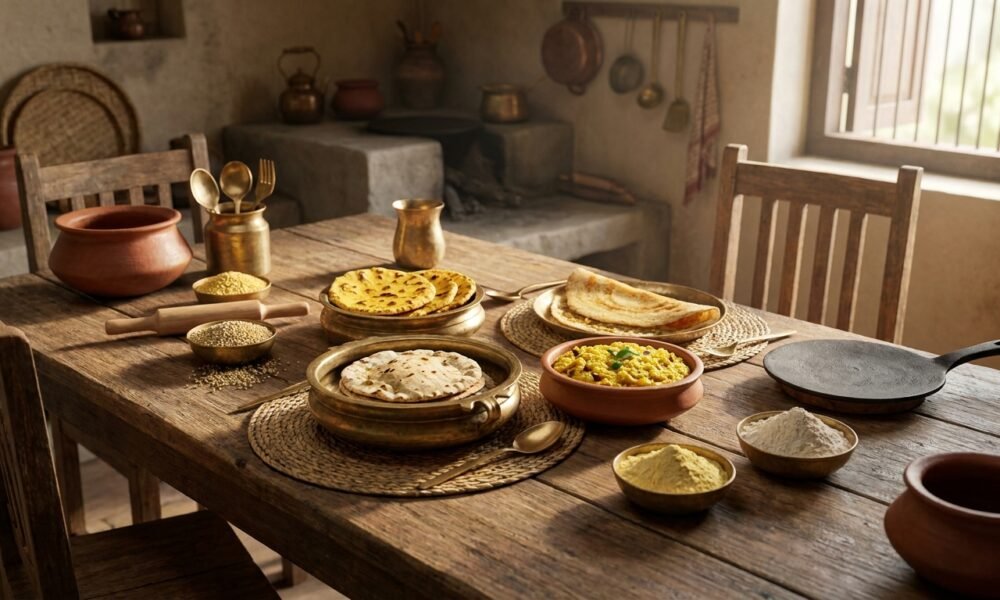
Why Raagi Atta Is Quietly Becoming a Kitchen Essential Again
There are certain ingredients that disappear from kitchens not because they stopped being useful, but because something shinier took their place. Raagi atta — flour made from finger millet — is a good example of this. For decades it sat in the background while refined wheat flour took over as the default in urban households. Now it’s coming back, and the reasons are practical, not trendy.
Table Of Content
What Raagi Atta Actually Is
Raagi atta is flour ground from finger millet, a small reddish-brown grain that has been cultivated across India and Africa for thousands of years. It is naturally gluten-free, which makes it useful for people who experience sensitivity to wheat without offering a suitable medical diagnosis to fall back on. It carries a slightly earthy, nutty flavour that works well in rotis, dosas, porridge, and even certain baked goods when blended with other flours.
The grain is particularly well known in Karnataka and other southern states, where ragi mudde — a dense, cooked ball of ragi flour — has been a staple for generations. But its nutritional profile makes it relevant far beyond regional cuisine, and that’s exactly what’s driving the current interest from urban households across India.
The Nutritional Case for Using It Regularly
Raagi atta’s most talked-about quality is its calcium content. Among plant-based sources of calcium, finger millet ranks exceptionally high — significantly more than most other grains and comparable to some dairy products. For vegetarian households where dairy is the primary calcium source, adding raagi atta into regular cooking provides a meaningful additional contribution without requiring any special planning.
Beyond calcium, it’s a good source of dietary fibre, which supports digestion and contributes to a slower release of glucose into the bloodstream. This makes raagi atta particularly useful for people managing blood sugar levels or those who find themselves reaching for a snack too soon after a regular wheat-based meal.
How It Fits Into Everyday Indian Cooking
The most common concern people raise about switching to or adding raagi atta is whether it disrupts their regular cooking routine. In practice, it doesn’t — at least not significantly. Raagi roti requires slightly more water than regular wheat dough and benefits from a short resting period before rolling, but the process is familiar enough that most home cooks adjust within a few tries.
It blends well with regular wheat flour for households that want to ease into it gradually — a common starting point is replacing a portion of the daily wheat atta with raagi atta before transitioning further. This approach also softens the flavour shift for family members who are less open to change in their daily rotis.
Who Benefits Most From Adding It
Raagi atta works well for a broader range of people than its traditional regional association might suggest. Children benefit from the calcium content during bone development years. Older adults, particularly women managing bone density, find it a sensible addition to regular cooking. Fitness-conscious individuals appreciate the slower-digesting, fibre-rich profile that keeps energy levels more consistent through a workout or a long workday.
For anyone exploring whole raagi atta as a regular addition to their kitchen, 10on10foods offers a 100% whole grain option that stays true to the grain’s natural nutritional profile without unnecessary processing or blending.
A Grain That Earns Its Place
Raagi atta doesn’t ask you to rethink your entire approach to cooking. It fits into recipes you already know, delivers nutrition that’s hard to match from other grains, and brings variety to a daily flour routine that most Indian households haven’t changed in years. That combination of low disruption and genuine nutritional value is exactly why it’s finding its way back into kitchens that had forgotten about it.






No Comment! Be the first one.