






UPVC Windows vs Traditional Windows: Which Is Right for Your Home?
Choosing windows for your home is a bigger decision than most people realize. Windows affect how much light comes in, how much noise stays out, and even how much you pay on your electricity bill...

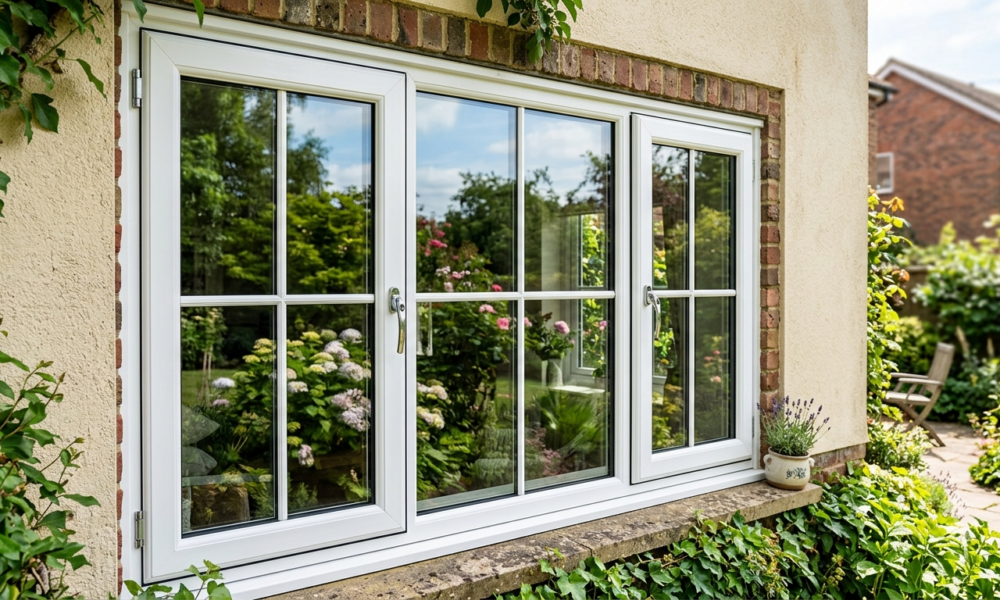
Choosing windows for your home is a bigger decision than most people realize. Windows affect how much light comes in, how much noise stays out, and even how much you pay on your electricity bill every month. For years, wood and aluminium were the go-to choices. But today, more homeowners are switching to UPVC windows because they offer something traditional materials simply can’t match.
Table Of Content
So which one is actually right for your home? Let’s break it down in simple terms.
What Makes UPVC Windows Different?
UPVC stands for unplasticised polyvinyl chloride, a strong and weather-resistant material that doesn’t rust, rot, or warp. Unlike wood or steel, it doesn’t need painting or polishing every few years. A simple wipe with a damp cloth keeps the frame looking new.
UPVC windows also come with multi-chambered profiles that trap air inside, which improves thermal insulation and helps reduce your energy bills. This is one of the biggest reasons homeowners are moving away from traditional materials.
What Are Traditional Windows Made Of?
Traditional windows are usually made from wood, aluminium, or steel. Wood looks classic and warm, but it needs regular polishing, painting, and protection from termites and moisture. Aluminium is stronger and needs less care than wood, but it conducts heat easily, which means your room can feel hotter in summer and colder in winter. Steel windows are sturdy but prone to rusting over time, especially in humid areas.
These materials have served homes for decades, but they come with ongoing maintenance costs and don’t perform as well when it comes to insulation.
Head-to-Head Comparison
1. Durability Wood can crack, warp, or attract termites over time. Aluminium and steel can corrode in coastal or humid regions. UPVC, on the other hand, is water-resistant, UV-resistant, and steel-reinforced, so it holds up well in almost any climate without losing its shape or strength.
2. Maintenance Traditional windows often need repainting, polishing, or rust treatment every couple of years. These windows need very little upkeep just occasional cleaning of the frame and glass, and a quick check on the hinges and locks.
3. Energy Efficiency This is where the difference is most noticeable. Wood and aluminium allow heat to pass through more easily, making rooms harder to keep cool or warm. The sealed multi-chamber design keeps indoor temperatures more stable, so your AC or heater doesn’t have to work as hard.
4. Noise Reduction If you live near a busy road or in a noisy neighbourhood, this matters a lot. These frames, especially when paired with quality glass, block outside noise far better than standard aluminium or wooden frames.
5. Security Traditional windows often rely on basic latches. Most modern frames come with multi-point locking systems, which make them harder to force open and safer for your family.
6. Design Options Earlier, this material was considered basic in design. That’s changed. Today, you can choose from sliding, casement, tilt and turn, arch, villa, and combination styles, along with different frame colours, laminates, and mesh or grill options to match your home’s look.
7. Cost Over Time Wood and steel might seem cheaper upfront, but the repainting, repairs, and rust treatment add up over the years. Best UPVC windows cost more initially but save money in the long run due to their low maintenance and long lifespan.
Where Do These Windows Work Best?
UPVC windows suit almost every part of a home:
- Living Rooms – Let in natural light while improving ventilation
- Bedrooms – Reduce outside noise for peaceful sleep
- Kitchens – Help remove heat and cooking smoke
- Balconies – Bring in fresh air with a clear outdoor view
- Offices – Maintain comfortable airflow throughout the day
So, Which One Should You Choose?
If you are building a new home or planning to replace old windows, traditional materials might feel familiar, but they come with recurring costs and limited performance. This modern option offers better insulation, stronger security, lower maintenance, and design flexibility all things that matter for long-term comfort and savings.
For homeowners looking for a smart, future-ready choice, UPVC windows are increasingly becoming the preferred option over wood, aluminium, and steel.
Final Thoughts
There’s no one-size-fits-all answer, but if durability, energy savings, and low maintenance are high on your list, this option is hard to beat. Companies like Okotechoffer a wide range of designs, colours, and customization options, making it easier to find windows that match both your budget and your home’s style.




No Comment! Be the first one.