






How to Maintain an Up and Over Door for Long-Lasting Performance
A garage door is one of the hardest-working features of any home, opening and closing thousands of times throughout its lifetime. Like any mechanical system, it performs best when it receives regular...

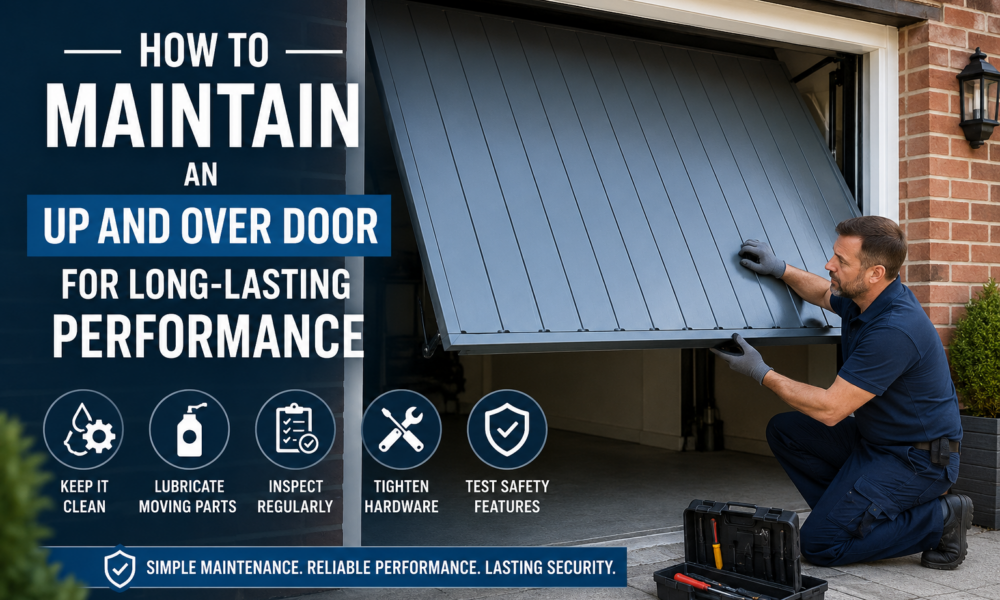
A garage door is one of the hardest-working features of any home, opening and closing thousands of times throughout its lifetime. Like any mechanical system, it performs best when it receives regular care and attention. Routine maintenance not only improves daily operation but also helps extend the lifespan of the door while reducing the likelihood of unexpected repairs.
Table Of Content
- Why Regular Maintenance Matters
- Keep the Door Clean
- Lubricate Moving Components
- Inspect Springs and Cables
- Examine the Rollers and Tracks
- Test Door Balance
- Check Weather Seals
- Tighten Loose Hardware
- Test Safety Features
- Protect the Door Finish
- Schedule Professional Servicing
- Build a Simple Maintenance Routine
- Final Thoughts
- FAQs
- 1. How often should an up and over door be serviced?
- 2. Can homeowners lubricate garage door parts themselves?
- 3. Why is my garage door becoming noisy?
- 4. Is it safe to repair garage door springs without professional help?
- 5. How can homeowners make an up and over door last longer?
An up and over door is a popular choice among homeowners because of its simple design, reliability, and timeless appearance. Available in canopy and retractable mechanisms, these doors can also be automated, offering added convenience and improved security. With the right maintenance routine, homeowners can keep their garage door operating smoothly for many years. According to guidance from HD Doors, quality materials, proper installation, and periodic servicing all contribute to long-term durability and dependable performance.
Why Regular Maintenance Matters
Garage doors are exposed to changing weather conditions throughout the year. Rain, moisture, dust, strong sunlight, and fluctuating temperatures can gradually affect moving parts and surface finishes. Neglecting routine maintenance may result in noisy operation, worn components, reduced security, and expensive repairs.
A proactive maintenance schedule offers several benefits:
- Extends the lifespan of the garage door.
- Improves safety during daily operation.
- Prevents premature wear on springs, rollers, and hinges.
- Reduces repair costs over time.
- Maintains the property’s kerb appeal.
Even a few simple maintenance tasks performed every few months can make a noticeable difference.
Keep the Door Clean
Cleaning the garage door is often overlooked but plays an important role in preserving its finish. Dirt, leaves, salt deposits, and grime can gradually damage painted or coated surfaces.
Use a soft sponge with warm water and mild detergent to wash both sides of the door. Avoid abrasive cleaning products that may scratch protective coatings. After washing, rinse thoroughly and dry with a soft cloth to prevent water spots.
Pay particular attention to the bottom edge where dirt and moisture often accumulate.
Lubricate Moving Components
Smooth operation depends on properly lubricated moving parts.
Suitable garage door lubricant should be applied to:
- Rollers
- Hinges
- Pivot points
- Bearings
- Locking mechanisms
- Springs (where recommended by the manufacturer)
Avoid using heavy grease because it attracts dust and debris. Instead, use a silicone-based or garage-door-specific lubricant designed for metal components.
Lubrication every six months usually keeps the mechanism operating quietly and efficiently.
Inspect Springs and Cables
Springs and lifting cables handle significant tension whenever the garage door moves.
Homeowners should visually inspect these components for:
- Rust
- Fraying
- Broken strands
- Uneven tension
- Corrosion
These parts should never be adjusted without proper tools or professional knowledge because they remain under high tension and can cause serious injury if handled incorrectly.
If any signs of wear appear, arranging a professional inspection is the safest solution.
Examine the Rollers and Tracks
Rollers and tracks guide the garage door during opening and closing. Dirt, small stones, leaves, or accumulated debris can interfere with smooth movement.
Maintenance includes:
- Removing debris from the tracks.
- Wiping tracks clean with a dry cloth.
- Checking for dents or bends.
- Ensuring rollers rotate freely.
The tracks generally should not be lubricated unless specifically recommended by the manufacturer, as excessive lubrication may attract dirt.
Test Door Balance
Proper balance reduces stress on the lifting mechanism and helps maintain consistent performance.
To perform a simple balance test:
- Disconnect the automatic opener.
- Lift the door manually halfway.
- Release it carefully.
A properly balanced door should remain in position. If it moves significantly upward or downward, the spring tension may require professional adjustment.
An unbalanced system places unnecessary strain on both manual and automated operation.
Check Weather Seals
Garage door weather seals help prevent rain, wind, dust, and insects from entering the garage.
Inspect:
- Bottom rubber seal
- Side weather strips
- Top seal
Replace any seals showing cracks, brittleness, or separation from the frame.
Maintaining good seals also helps improve energy efficiency for attached garages.
Tighten Loose Hardware
Over time, repeated movement causes nuts, bolts, and brackets to loosen.
Inspect visible hardware and tighten any loose fasteners using appropriate tools. Avoid overtightening, which may damage components.
Pay particular attention to:
- Roller brackets
- Hinge bolts
- Track supports
- Mounting brackets
Regular inspections help prevent larger mechanical issues later.
Test Safety Features
For automated systems, safety mechanisms should be tested regularly.
Modern garage doors often include:
- Auto-reverse sensors
- Obstacle detection
- Manual emergency release
- Safety photocells
Place a small object beneath the closing door to confirm the reverse function activates correctly. Also ensure photo-eye sensors remain clean and properly aligned.
Reliable safety systems protect vehicles, property, children, and pets.
Protect the Door Finish
Steel and timber garage doors benefit from occasional surface maintenance.
For steel doors:
- Wash regularly.
- Repair chipped paint promptly.
- Touch up exposed metal to prevent corrosion.
For timber doors:
- Inspect for cracks.
- Repaint or reseal as recommended.
- Protect against moisture penetration.
Maintaining the exterior finish helps preserve appearance while extending the service life.
Schedule Professional Servicing
Although many maintenance tasks are suitable for homeowners, periodic professional servicing provides an additional level of protection.
Experienced technicians can inspect:
- Spring tension
- Cable condition
- Door alignment
- Automation systems
- Locking mechanisms
- Overall structural integrity
Manufacturers and installers often recommend professional servicing every 12 months, particularly for frequently used garage doors. Companies such as HD Doors also highlight that routine servicing helps maintain smooth operation while identifying small issues before they become costly repairs.
Build a Simple Maintenance Routine
Rather than waiting until problems occur, homeowners can follow a straightforward maintenance schedule.
Monthly
- Visual inspection
- Clean sensors
- Test automatic reverse
Every 6 Months
- Wash the garage door
- Lubricate moving parts
- Check hardware
- Inspect weather seals
Annually
- Professional servicing
- Spring inspection
- Full operational assessment
Following a consistent routine helps maximize performance while reducing unexpected maintenance expenses.
Final Thoughts
A well-maintained up and over door delivers dependable operation, enhanced security, and an attractive appearance for many years. Simple tasks such as cleaning, lubrication, hardware inspection, and weather seal replacement can significantly reduce wear and improve reliability. When combined with regular professional servicing, homeowners can enjoy smoother operation and avoid many common garage door issues before they become major repairs.
FAQs
1. How often should an up and over door be serviced?
Most experts recommend a professional inspection once every 12 months, while homeowners should carry out basic cleaning and lubrication every six months.
2. Can homeowners lubricate garage door parts themselves?
Yes. Rollers, hinges, bearings, and locking mechanisms can generally be lubricated using a garage-door-specific lubricant, following the manufacturer’s recommendations.
3. Why is my garage door becoming noisy?
Noise is often caused by dry rollers, loose hardware, worn hinges, or accumulated dirt in the moving components. Routine maintenance usually resolves minor issues.
4. Is it safe to repair garage door springs without professional help?
No. Garage door springs remain under very high tension and should only be repaired or replaced by qualified technicians.
5. How can homeowners make an up and over door last longer?
Regular cleaning, lubrication, annual servicing, prompt replacement of worn seals, and periodic inspection of moving parts are the most effective ways to extend the life of the door.





No Comment! Be the first one.