





How Are Modern automotive lubricants Evolving for Modern Vehicles?
The automotive industry is changing faster than ever before. Vehicles are becoming more fuel-efficient, engines are becoming smaller yet more powerful, and advanced technologies are transforming how...

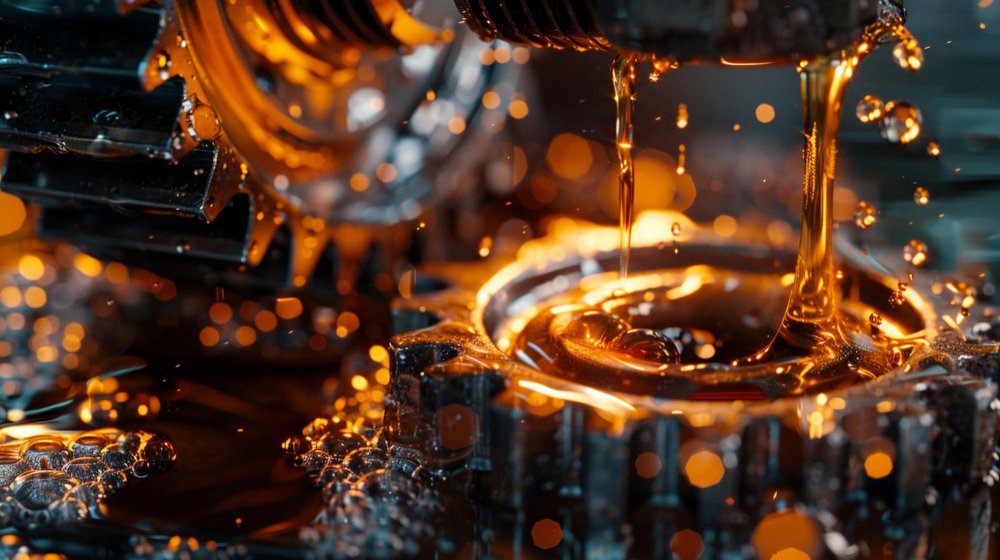
The automotive industry is changing faster than ever before. Vehicles are becoming more fuel-efficient, engines are becoming smaller yet more powerful, and advanced technologies are transforming how cars perform on the road. These developments have created a growing demand for high-quality automotive lubricants that can keep pace with modern engineering. Today’s lubricants are no longer simple oils designed only to reduce friction. They now play a vital role in protecting engine components, improving fuel economy, reducing emissions, and extending vehicle lifespan.
Table Of Content
- The Changing Needs of Modern Vehicles
- How Lubricant Technology Has Improved
- Improve Engine Protection
- Reduce Internal Friction
- Maintain Clean Engine Components
- Resist High Temperatures
- The Rise of Synthetic Lubricants
- Better Cold Weather Performance
- Improved High Temperature Stability
- Longer Service Intervals
- Better Fuel Economy
- Supporting Hybrid and Electric Vehicles
- Environmental Considerations
- Lowering Fuel Consumption
- Minimizing Harmful Emissions
- Extending Engine Life
- Smart Additive Technologies
- Anti-Wear Agents
- Antioxidants
- Corrosion Inhibitors
- Friction Modifiers
- Why Lubricant Quality Matters
- Improved Reliability
- Lower Maintenance Costs
- Enhanced Driving Performance
- Longer Engine Life
- The Role of Professional Supply Chains
- Future Innovations
- Final Thought
As automotive technology advances, lubrication technology has also evolved to meet increasingly demanding operating conditions. Whether it is a passenger car, commercial vehicle, hybrid model, or high-performance sports car, selecting the right lubricant has become essential for maintaining efficiency and reliability.
The Changing Needs of Modern Vehicles
Vehicle manufacturers continue to develop engines that deliver more power while consuming less fuel. Smaller engines equipped with advanced fuel injection systems operate under higher temperatures and pressures than older designs. These conditions require lubricants that can maintain their protective properties even during extreme driving situations.
Modern vehicles also include sophisticated emission control systems, turbochargers, variable valve timing, and start-stop technology. Each of these innovations places additional demands on engine oil and other lubricating fluids. Lubricants must remain stable under intense heat while preventing deposits that could affect performance.
The increasing complexity of vehicles means that choosing the proper lubricant is more important than ever before.
How Lubricant Technology Has Improved
Lubricant manufacturers have invested heavily in research and development to create products that provide better protection than traditional mineral oils. Modern formulations combine premium base oils with advanced additive technologies to improve performance in multiple areas.
Today’s lubricants are designed to:
Improve Engine Protection
Advanced formulations create a strong protective film between moving metal parts. This reduces wear during cold starts, heavy acceleration, and extended driving conditions.
Reduce Internal Friction
Lower friction allows engines to operate more efficiently while consuming less fuel. Reduced resistance also helps components last longer.
Maintain Clean Engine Components
Modern detergents and dispersants help prevent sludge, varnish, and harmful deposits from forming inside the engine. Cleaner engines operate more efficiently and require fewer repairs.
Resist High Temperatures
Contemporary engines generate significantly more heat than previous generations. High-quality lubricants resist thermal breakdown while maintaining consistent viscosity under extreme conditions.
The Rise of Synthetic Lubricants
Synthetic lubricants have become increasingly popular because they outperform conventional oils in many driving conditions. They provide superior stability across a wider temperature range while maintaining excellent lubrication characteristics.
Some key advantages include:
Better Cold Weather Performance
Synthetic oils flow quickly during cold starts, allowing immediate lubrication of critical engine parts.
Improved High Temperature Stability
They resist oxidation and maintain their protective qualities during long drives or heavy engine loads.
Longer Service Intervals
Many synthetic lubricants last longer before requiring replacement, helping reduce maintenance costs over time.
Better Fuel Economy
Reduced internal friction contributes to improved fuel efficiency without sacrificing engine protection.
These benefits make synthetic lubricants suitable for both everyday drivers and high-performance applications.
Supporting Hybrid and Electric Vehicles
The growing popularity of hybrid and electric vehicles has introduced new lubrication requirements. Hybrid engines frequently start and stop, placing additional stress on lubricants during repeated cold starts.
Electric vehicles require specialized lubricants for gearboxes, cooling systems, bearings, and electrical components. These fluids must offer thermal stability, electrical compatibility, and long-term durability.
As electrification continues to expand, lubricant technology will continue adapting to support these evolving transportation systems.
Environmental Considerations
Environmental regulations continue encouraging manufacturers to develop cleaner and more efficient lubricants. Lower emissions and improved fuel economy have become major priorities across the automotive industry.
Modern lubricants contribute by:
Lowering Fuel Consumption
Reduced friction allows engines to consume less fuel while maintaining performance.
Minimizing Harmful Emissions
Cleaner combustion and improved engine efficiency help reduce exhaust emissions.
Extending Engine Life
Longer-lasting components reduce waste and lower the environmental impact associated with repairs and replacement parts.
Some manufacturers are also exploring biodegradable formulations and renewable base oils that further reduce environmental impact.
Smart Additive Technologies
The additives used in lubricants have become increasingly sophisticated. These chemical compounds provide specialized protection depending on engine operating conditions.
Important additives include:
Anti-Wear Agents
These protect heavily loaded engine parts from metal-to-metal contact.
Antioxidants
They prevent oil degradation caused by heat and oxygen exposure.
Corrosion Inhibitors
These additives protect metal surfaces from rust and moisture damage.
Friction Modifiers
They improve engine efficiency while reducing mechanical resistance.
Together, these additives significantly improve lubricant performance throughout the service life.
Why Lubricant Quality Matters
Choosing premium lubricants provides several long-term advantages beyond simple engine protection.
Benefits include:
Improved Reliability
High-quality lubricants reduce unexpected mechanical failures.
Lower Maintenance Costs
Better wear protection means fewer repairs and longer component life.
Enhanced Driving Performance
Engines operate more smoothly with consistent power delivery.
Longer Engine Life
Proper lubrication significantly reduces long-term wear on internal engine components.
Vehicle owners who follow manufacturer recommendations typically experience better overall reliability throughout vehicle ownership.
The Role of Professional Supply Chains
Maintaining lubricant quality depends not only on manufacturing but also on proper storage and distribution. Reliable industrial lubricant distributors help ensure lubricants are handled correctly before reaching workshops, dealerships, and service centers.
Proper storage conditions preserve lubricant quality by preventing contamination, moisture exposure, and temperature-related degradation. Consistent product availability also supports efficient vehicle maintenance schedules for businesses and individual vehicle owners alike.
Working with experienced supply partners helps maintain product integrity throughout the distribution process.
Future Innovations
Automotive lubrication technology continues advancing alongside vehicle engineering. Future developments may include self-healing lubricant films, intelligent additives that adapt to operating conditions, and even nanotechnology-based protection systems.
Artificial intelligence and predictive maintenance technologies may also influence future lubricant development by enabling products specifically designed for real-time operating conditions.
As engines become increasingly efficient, lubrication systems will continue evolving to deliver higher performance while supporting environmental sustainability.
Final Thought
Modern vehicles demand more from lubricants than ever before. Higher engine temperatures, advanced fuel systems, stricter environmental regulations, and evolving vehicle technologies have transformed lubrication into a critical aspect of automotive performance. High-quality automotive lubricants help improve efficiency, reduce wear, extend engine life, and support cleaner operation across a wide variety of vehicles.
At the same time, dependable industrial lubricant distributors play an important role in ensuring these advanced products reach customers in optimal condition. As automotive technology continues progressing, lubricant innovation will remain an essential contributor to safer, cleaner, and more reliable transportation for years to come.






No Comment! Be the first one.