






Protecting Your Cat’s Oral Health at Every Life Stage
Cats have a remarkable ability to hide discomfort. Even when they experience significant oral pain, many continue eating, grooming, and behaving almost normally. This instinct often delays the...

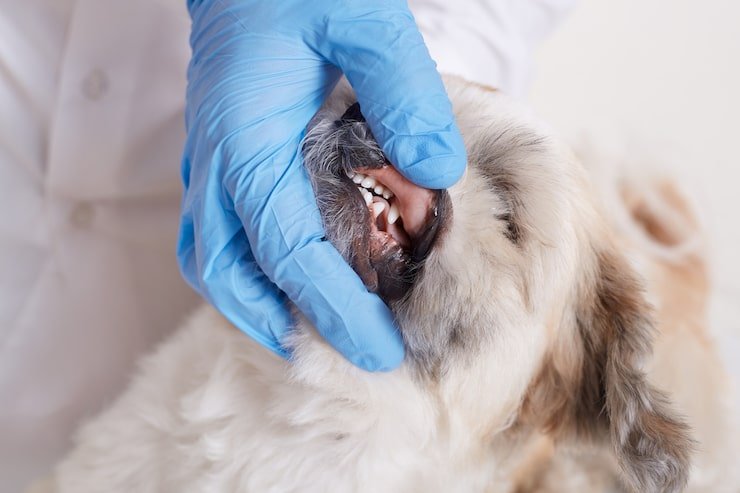
Cats have a remarkable ability to hide discomfort. Even when they experience significant oral pain, many continue eating, grooming, and behaving almost normally. This instinct often delays the detection of dental disease, allowing minor issues to progress to more serious conditions.
Good oral health supports more than a healthy smile. It contributes to comfortable eating, fresh breath, proper nutrition, and overall well-being. Preventive care, regular veterinary checkups, and professional dental evaluations all help reduce the risk of painful dental disease while improving your cat’s quality of life.
Understanding how dental problems develop and recognizing early warning signs allows pet owners to make informed decisions about their cat’s healthcare before complications arise.
Why Oral Health Deserves More Attention?
Dental disease ranks among the most common medical conditions affecting adult cats. Plaque begins forming shortly after meals. Without regular removal, plaque hardens into tartar, creating an ideal environment for bacteria to grow.
As bacteria spread beneath the gumline, inflammation develops. Over time, this process damages the gums, surrounding bone, and tooth roots. Advanced periodontal disease often causes chronic pain, infection, and tooth loss.
The challenge is that cats rarely show obvious signs during the early stages of dental disease. Routine veterinary examinations remain one of the most reliable ways to identify concerns before they progress.
Common Signs of Dental Problems in Cats
Subtle behavioral changes often provide the first clues that something is wrong.
Watch for symptoms such as:
- Persistent bad breath
- Red or swollen gums
- Yellow or brown tartar buildup
- Dropping food while eating
- Difficulty chewing
- Pawing at the mouth
- Excessive drooling
- Weight loss
- Reduced appetite
- Bleeding from the mouth
- Reluctance to play with toys
- Grooming less frequently
Some cats continue eating despite severe oral pain because hunger outweighs discomfort. That is why visual signs alone do not always reflect the true extent of dental disease.
Early diagnosis often prevents unnecessary pain and helps preserve healthy teeth.
How Professional Cat Dental Cleaning Supports Long-Term Health?
Daily brushing provides valuable protection, but it does not eliminate plaque and tartar. Professional veterinary care reaches below the gumline, where many dental problems begin.
During cat dental cleaning, veterinarians perform a comprehensive oral examination while your cat remains safely under anesthesia. This approach allows every tooth and surrounding structure to receive a thorough evaluation without causing stress or discomfort.
Professional dental cleaning typically includes:
- Removal of plaque.
- Removal of tartar.
- Cleaning beneath the gumline.
- Polishing tooth surfaces.
- Full-mouth dental examination.
- Dental X-rays, when indicated.
Cleaning below the gumline plays a particularly important role because bacteria often accumulate in areas that owners cannot see or reach during routine home care.
Professional cleaning also creates an opportunity to identify fractured teeth, root damage, hidden infections, and other concerns before they become more serious.
The Role of Dental X-Rays
A healthy-looking tooth does not always mean a healthy tooth.
Many dental conditions develop beneath the gumline, making them impossible to detect through visual examination alone. Dental radiographs allow veterinarians to evaluate structures hidden beneath the surface.
Dental imaging helps identify:
- Root fractures
- Bone loss
- Tooth resorption
- Retained roots
- Abscesses
- Jaw abnormalities
- Deep infections
Veterinary dentistry increasingly relies on dental imaging because many painful conditions remain invisible without radiographs.
Accurate diagnosis leads to more appropriate treatment while reducing unnecessary procedures.
Understanding Tooth Resorption in Cats
Tooth resorption represents one of the most common dental conditions affecting cats.
This painful disease gradually destroys the tooth from within. As the condition progresses, affected teeth become increasingly fragile and uncomfortable.
Researchers continue studying the exact cause of tooth resorption, although age and chronic inflammation appear to contribute.
Cats with tooth resorption may experience:
- Sudden sensitivity while eating.
- Chattering teeth.
- Drooling.
- Avoiding hard food.
- Irritability during facial touch.
Since the damage frequently occurs below the gumline, dental X-rays remain essential for diagnosis.
When is a Cat Tooth Extraction Recommended?
Veterinarians always aim to preserve healthy teeth whenever possible. Unfortunately, some teeth become too damaged or painful to save.
A recommendation for cat tooth extraction usually follows careful evaluation of the affected tooth and surrounding structures.
Extraction may become necessary if a tooth has:
- Advanced periodontal disease
- Severe fracture
- Tooth resorption
- Deep infection
- Root damage
- Persistent pain
- Large abscess
- Significant bone loss
Although removing a tooth may sound concerning, extraction often provides immediate relief from chronic pain.
Cats generally adapt remarkably well after losing damaged teeth. Many resume eating comfortably within a short period because the source of discomfort has been eliminated.
Preparing for Dental Procedures
Before any dental treatment, veterinarians perform a complete health assessment.
This evaluation often includes:
- Physical examination
- Blood testing
- Medical history review
- Medication assessment
- Anesthesia planning
These steps help identify underlying health conditions and support safe anesthesia.
Modern veterinary anesthesia involves continuous monitoring throughout the procedure, including heart rate, oxygen levels, blood pressure, and body temperature.
Careful preparation contributes to a safer experience and smoother recovery.
Recovery After Cat Tooth Extraction
Recovery varies depending on the number of teeth removed and your cat’s overall health, although most cats recover surprisingly well.
Your veterinarian may recommend:
- Soft food for several days.
- Pain management medication.
- Antibiotics when appropriate.
- Activity monitoring.
- Follow-up examinations.
Many owners notice positive changes soon after treatment.
Cats often begin eating more comfortably, become more playful, groom themselves more frequently, and display improved energy once chronic oral pain resolves.
Contact your veterinarian if your cat experiences excessive bleeding, persistent swelling, refusal to eat, or unusual discharge after surgery.
Supporting Oral Health at Home
Professional dental care works best when combined with consistent home care.
Helpful habits include:
- Brush your cat’s teeth using pet-safe toothpaste.
- Introduce brushing gradually with positive reinforcement.
- Provide veterinarian-approved dental treats when appropriate.
- Offer balanced nutrition.
- Schedule regular wellness examinations.
- Watch for changes in eating or grooming habits.
- Follow recommended dental cleaning schedules.
Consistency matters more than perfection. Even small improvements in home dental care contribute to healthier teeth over time.
Why Regular Veterinary Visits Matter?
Routine examinations often reveal subtle dental problems before they become painful.
Veterinarians evaluate:
- Gum health
- Tooth stability
- Plaque accumulation
- Oral masses
- Jaw alignment
- Signs of inflammation
Monitoring these changes over time helps determine when preventive treatment offers the greatest benefit.
Waiting until symptoms become obvious often allows dental disease to progress significantly.
Dental Health Supports Overall Wellness
Oral health affects more than the mouth alone.
Advanced dental disease introduces bacteria into the bloodstream, increasing the body’s inflammatory burden. Researchers continue investigating links between periodontal disease and conditions involving the heart, kidneys, and other organs.
Maintaining healthy teeth supports comfortable eating, good nutrition, and an overall better quality of life at every stage of adulthood.
Preventive dental care also reduces the likelihood of more extensive procedures later.
Creating a Lifetime Dental Care Plan
Every cat has unique dental needs influenced by age, breed, genetics, diet, and overall health.
Some cats benefit from more frequent professional evaluations, while others maintain excellent oral health with routine preventive care and home brushing.
Working closely with your veterinarian helps create a personalized plan that includes wellness examinations, professional cleanings, dental imaging when appropriate, and consistent home care.
Scheduling regular cat dental cleaning appointments helps remove harmful plaque before it progresses into advanced disease. If serious damage develops despite preventive efforts, cat tooth extraction often provides the most effective way to eliminate pain, restore comfort, and improve your cat’s daily life.
Investing in preventive dental care today protects your feline companion’s health for years to come. Healthy teeth support easier eating, better nutrition, greater comfort, and a happier, more active life—making oral care an essential part of responsible pet ownership.







No Comment! Be the first one.