






Airtrack Features That Matter Most When Choosing a Training Mat
Finding the right training mat is an important decision for anyone involved in gymnastics, cheerleading, dance, martial arts, or general fitness. The quality of the surface used during practice...

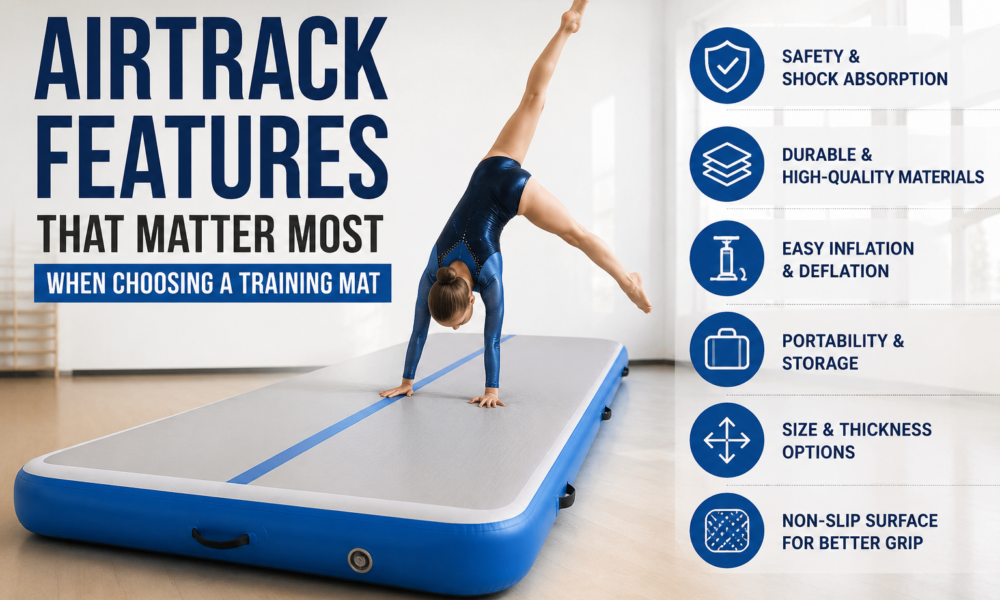
Finding the right training mat is an important decision for anyone involved in gymnastics, cheerleading, dance, martial arts, or general fitness. The quality of the surface used during practice directly affects comfort, performance, and confidence. Whether someone is just beginning their fitness journey or refining advanced techniques, selecting a mat with the right features can make practice sessions safer and more productive.
Table Of Content
- 1. High-Quality Construction Materials
- 2. Reliable Shock Absorption
- 3. Adjustable Air Pressure
- 4. Appropriate Size for Training Needs
- 5. Easy Inflation and Deflation
- 6. Portability and Storage
- 7. Stable Surface During Training
- 8. Versatility Across Multiple Activities
- 9. Weather Resistance
- 10. Value Beyond Price
- Making an Informed Choice
- Frequently Asked Questions
- 1. What is an Airtrack used for?
- 2. Is an inflatable training mat suitable for beginners?
- 3. How long does it take to inflate a training mat?
- 4. Can inflatable training mats be used outdoors?
- 5. What size training mat should I choose?
Among the many training surfaces available today, an Airtrack has become a preferred option because of its combination of cushioning, portability, and versatility. Unlike traditional foam mats, inflatable training mats offer a responsive surface that helps absorb impact while providing excellent support for skill development. However, not every model is built the same, making it essential to understand which features deserve the most attention before making a purchase.
1. High-Quality Construction Materials
One of the first aspects to evaluate is the material used in manufacturing the mat. Durable construction ensures the product maintains its shape and performance over time, even with frequent use.
Most premium inflatable training mats are made from reinforced PVC with drop-stitch technology. This design allows the mat to remain firm while still offering a comfortable landing surface. Strong seams and high-quality bonding techniques also reduce the likelihood of air leaks, increasing the overall lifespan of the equipment.
A well-constructed mat not only withstands repeated training sessions but also delivers consistent performance for users of different ages and skill levels.
2. Reliable Shock Absorption
Safety remains one of the biggest priorities during physical training. Whether practicing handstands, cartwheels, back handsprings, or tumbling routines, repeated landings place stress on the body.
An Airtrack provides excellent shock absorption by distributing impact more evenly than many conventional mats. This cushioning effect helps reduce strain on joints, ankles, knees, and wrists, making practice sessions more comfortable while lowering the risk of impact-related injuries.
Although no training surface can eliminate every risk, choosing a mat with effective cushioning contributes to a safer practice environment.
3. Adjustable Air Pressure
One of the standout advantages of inflatable training mats is the ability to adjust firmness.
Different skills require different levels of support. Beginners often benefit from a softer surface that provides additional cushioning, while experienced athletes may prefer a firmer setup for better control and stability.
The ability to customize air pressure allows users to tailor the mat according to individual training goals, age, and experience. This flexibility also makes the same mat suitable for multiple users within a family, sports club, or training center.
4. Appropriate Size for Training Needs
Training mats come in various lengths, widths, and thicknesses. Selecting the correct dimensions depends largely on available space and intended use.
Shorter mats work well for basic exercises, stretching, balance drills, and beginner gymnastics. Longer mats are better suited for tumbling passes, advanced gymnastics routines, and cheerleading practice.
Thickness is equally important. A thicker mat generally offers greater cushioning, making it suitable for learning new skills, while thinner options may provide a firmer training experience for controlled movements.
Considering both indoor and outdoor training areas before purchasing helps ensure the selected size fits comfortably without limiting movement.
5. Easy Inflation and Deflation
Convenience plays a significant role, particularly for individuals who practice in different locations.
Modern inflatable mats are designed for quick setup using electric pumps. Inflation usually takes only a few minutes, allowing users to spend more time training and less time preparing equipment.
Similarly, fast deflation simplifies storage and transportation. This practical feature makes inflatable mats an attractive option for home users, coaches, schools, and sports clubs that regularly move equipment between locations.
6. Portability and Storage
Unlike traditional foam mats that occupy considerable storage space, inflatable mats become compact once deflated.
This portability offers several practical advantages:
- Easy transportation to competitions or training venues
- Convenient storage in cupboards or small rooms
- Reduced clutter in home gyms
- Suitable for both indoor and outdoor practice
Many models also include carrying bags, making transportation even more convenient for athletes and coaches.
7. Stable Surface During Training
A quality training mat should remain stable throughout practice.
Many inflatable mats feature textured surfaces that improve grip while helping prevent unwanted slipping during movement. Stable positioning is particularly important when practicing jumps, flips, and balance-based exercises.
Some models can also be connected together using fastening systems, allowing users to create longer training areas for advanced routines.
8. Versatility Across Multiple Activities
One of the biggest strengths of inflatable training mats is their versatility.
Rather than being limited to gymnastics, these mats support a wide variety of activities, including:
- Cheerleading
- Dance practice
- Martial arts
- Yoga
- Pilates
- General fitness workouts
- Stretching exercises
- Children’s active play
This versatility makes them a practical investment for households and training facilities that support multiple sports and activities.
9. Weather Resistance
For users who enjoy outdoor practice, weather-resistant materials are an important consideration.
High-quality inflatable mats are typically designed to withstand occasional exposure to sunlight and moisture while remaining easy to clean after use. Dirt and dust can usually be removed with a damp cloth, helping maintain both appearance and hygiene.
Even with durable materials, storing the mat indoors when not in use can extend its lifespan and preserve performance.
10. Value Beyond Price
While cost naturally influences purchasing decisions, focusing only on the lowest price may not provide the best long-term value.
A reliable training mat should offer:
- Durable construction
- Comfortable cushioning
- Consistent air retention
- Easy maintenance
- Long service life
Investing in better quality often results in fewer replacements and a more satisfying training experience over time.
Making an Informed Choice
Selecting the ideal training mat involves balancing safety, durability, portability, and performance. Every athlete has different training goals, available space, and experience level, making it worthwhile to compare features carefully before purchasing.
Airtrack stands out because it combines adjustable firmness, reliable shock absorption, convenient portability, and multi-purpose functionality in a single product. These qualities make it suitable for beginners learning fundamental movements as well as experienced athletes refining advanced techniques.
By focusing on construction quality, size, ease of use, and overall durability, buyers can choose equipment that supports consistent progress while creating a comfortable environment for practice.
Frequently Asked Questions
1. What is an Airtrack used for?
An Airtrack is commonly used for gymnastics, tumbling, cheerleading, dance, martial arts, yoga, and various fitness exercises that require a cushioned yet supportive training surface.
2. Is an inflatable training mat suitable for beginners?
Yes. Adjustable firmness and impact absorption make inflatable training mats an excellent option for beginners who are learning new skills while prioritizing comfort and safety.
3. How long does it take to inflate a training mat?
Most inflatable training mats can be fully inflated within a few minutes using an electric air pump, depending on their size.
4. Can inflatable training mats be used outdoors?
Yes. Many models are designed for both indoor and outdoor use, although storing them indoors after use helps maintain their condition over time.
5. What size training mat should I choose?
The ideal size depends on available space and training goals. Shorter mats are suitable for general fitness and beginner exercises, while longer mats are preferred for gymnastics routines, tumbling, and advanced skill practice.





No Comment! Be the first one.