






Everything Pet Owners Should Know About Veterinary Surgery
For most pet owners, the thought of their furry companion needing surgery can be overwhelming. Questions about the procedure, recovery, potential risks, and overall well-being often arise the moment...

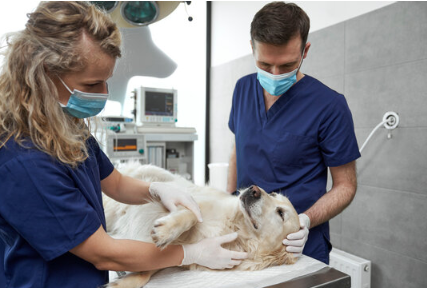
For most pet owners, the thought of their furry companion needing surgery can be overwhelming. Questions about the procedure, recovery, potential risks, and overall well-being often arise the moment surgery is recommended. While these concerns are completely natural, understanding the purpose and process of veterinary surgery can help ease uncertainty and ensure pets receive the care they need at the right time.
Table Of Content
- Understanding Veterinary Surgery
- Common Reasons Pets May Require Surgery
- The Role of a Veterinary Surgeon Specialist
- How Modern Veterinary Surgery Has Improved
- Preparing Your Pet for Surgery
- What to Expect During Recovery
- Signs That Require Immediate Veterinary Attention
- When Orthopedic Surgery May Be Recommended
- Supporting Your Pet’s Long-Term Health
- Conclusion
Whether treating an injury, correcting a congenital condition, or improving mobility, a veterinary surgeon specialist plays an important role in restoring an animal’s health and quality of life. Knowing when surgery is necessary, what it involves, and how to support your pet before and after the procedure enables owners to make informed decisions while contributing to a smoother recovery.
Understanding Veterinary Surgery
Veterinary surgery involves medical procedures performed to diagnose, treat, or manage a wide range of health conditions affecting animals. These procedures may be planned in advance or carried out as emergency interventions, depending on the pet’s condition. Advances in veterinary medicine have significantly improved surgical techniques, making many procedures safer, more precise, and less invasive than ever before.
Every surgical procedure begins with a thorough evaluation. Veterinarians assess the pet’s medical history, conduct physical examinations, and may recommend diagnostic tests such as blood work or imaging to determine the safest and most effective treatment plan. This careful preparation helps reduce potential risks while supporting successful surgical outcomes.
Common Reasons Pets May Require Surgery
Surgery is recommended only when it offers the most appropriate solution for improving or protecting a pet’s health. Depending on the diagnosis, surgical treatment may help relieve pain, restore normal function, or prevent a condition from becoming more serious.
Some common situations where surgery may be required include:
- Fractures or broken bones caused by accidents or falls.
- Torn ligaments affecting mobility and joint stability.
- Removal of benign or malignant growths.
- Foreign object removal from the digestive system.
- Orthopedic conditions involving bones or joints.
- Dental procedures requiring surgical intervention.
- Emergency treatment for internal injuries.
- Corrective procedures for congenital abnormalities.
Each case is unique, which is why treatment recommendations are based on the pet’s age, overall health, lifestyle, and specific medical condition.
The Role of a Veterinary Surgeon Specialist
Not every surgical case requires the same level of expertise. A veterinary surgeon specialist possesses advanced training and experience in performing complex surgical procedures while managing challenging medical conditions. Their knowledge extends beyond the operation itself to include diagnosis, surgical planning, anesthesia management, pain control, and post-operative care.
These specialists often work closely with general veterinarians to determine the most appropriate treatment approach for each patient. Depending on the complexity of the case, they may also collaborate with diagnostic imaging professionals, anesthesiologists, rehabilitation specialists, and nursing teams to ensure comprehensive care throughout the treatment process.
How Modern Veterinary Surgery Has Improved
Veterinary medicine continues to evolve through advancements in medical technology, diagnostic equipment, and surgical techniques. Today’s veterinary hospitals are equipped with sophisticated imaging systems, advanced anesthesia monitoring, and modern surgical instruments that improve precision while enhancing patient safety.
Many procedures now involve minimally invasive techniques whenever appropriate, reducing tissue trauma, minimizing discomfort, and supporting faster recovery. Enhanced pain management protocols, continuous monitoring during surgery, and individualized treatment plans also contribute to improved outcomes and greater comfort for pets throughout the healing process.
Here’s Part 2, continuing naturally from Part 1 with a fresh, informative structure.
Preparing Your Pet for Surgery
Proper preparation is an important part of ensuring a safe surgical experience. Before the procedure, your veterinarian will provide detailed instructions based on your pet’s condition and the type of surgery being performed. These guidelines may include fasting requirements, medication adjustments, and recommendations for reducing stress before the appointment.
It is also helpful to discuss any concerns you have regarding anesthesia, expected recovery time, pain management, and post-operative care. Being well-informed allows pet owners to prepare both practically and emotionally, making the process less stressful for everyone involved.
What to Expect During Recovery
Recovery begins as soon as the surgical procedure is complete. Pets are closely monitored while they recover from anesthesia, and veterinary teams assess their comfort, vital signs, and overall condition before they are discharged.
Once home, owners play an essential role in the healing process by following all post-operative instructions. Recovery plans typically include:
- Administering prescribed medications on schedule.
- Restricting physical activity as advised.
- Keeping the surgical site clean and dry.
- Monitoring eating, drinking, and normal behaviour.
- Attending follow-up appointments to assess healing.
Providing a calm and comfortable environment can significantly contribute to a smoother recovery while reducing unnecessary stress for your pet.
Signs That Require Immediate Veterinary Attention
While many pets recover without complications, owners should remain observant throughout the healing period. Prompt veterinary attention may be necessary if any unusual symptoms develop.
Contact your veterinarian if your pet experiences:
- Excessive swelling or bleeding around the surgical site.
- Persistent vomiting or refusal to eat.
- Difficulty standing or walking beyond expected recovery.
- High fever or unusual lethargy.
- Continuous pain despite prescribed medication.
- Discharge or signs of infection around the incision.
Early intervention can prevent minor concerns from becoming more serious and supports a faster recovery.
When Orthopedic Surgery May Be Recommended
Orthopedic surgery focuses on conditions affecting the bones, joints, ligaments, tendons, and muscles. It is commonly recommended for pets experiencing fractures, ligament injuries, joint instability, hip disorders, or other musculoskeletal conditions that limit movement or cause ongoing pain.
Advances in veterinary orthopedics now allow many conditions to be treated using modern surgical techniques combined with rehabilitation programs that improve mobility and overall quality of life. Early diagnosis and timely treatment often lead to better long-term outcomes, helping pets regain comfort and return to their normal daily activities more quickly.
Supporting Your Pet’s Long-Term Health
Surgery is often only one step in a pet’s overall healthcare journey. Maintaining long-term wellness requires routine veterinary check-ups, balanced nutrition, appropriate exercise, weight management, and early attention to any changes in behaviour or mobility.
Regular health assessments allow veterinarians to detect developing conditions before they become more serious, while ongoing communication with your veterinary team ensures that any recovery progress or future concerns are addressed promptly. This proactive approach helps pets remain healthier, more active, and comfortable throughout every stage of life.
Conclusion
Veterinary surgery has become an essential part of modern animal healthcare, offering effective treatment for injuries, orthopedic conditions, congenital disorders, and many other medical concerns. Understanding when surgery is needed, how specialists approach treatment, and what to expect during recovery enables pet owners to make informed decisions with greater confidence. By seeking timely veterinary care, following professional guidance, and supporting proper rehabilitation, owners can significantly improve their pet’s recovery and overall quality of life. Those looking for an experienced orthopedic veterinary surgeon in Dubai should consider a clinic that combines advanced medical expertise with compassionate, patient-focused care.
Pet Point Veterinary Clinic provides comprehensive veterinary healthcare supported by experienced professionals and modern medical technology. Their services include advanced orthopedic care, diagnostic evaluations, surgical treatment, and post-operative support tailored to each pet’s individual needs. Pet owners seeking an orthopedic veterinary surgeon in Dubai can rely on their commitment to compassionate, transparent, and high-quality animal healthcare.





No Comment! Be the first one.