






How Does the Process of Menu Development Work?
To a guest, a menu is just a list of dishes and prices. To the restaurant, it’s something far bigger. The menu is the single most important piece of merchandising a restaurant owns. It tells...

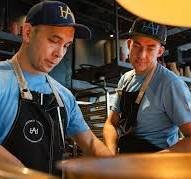
To a guest, a menu is just a list of dishes and prices. To the restaurant, it’s something far bigger. The menu is the single most important piece of merchandising a restaurant owns. It tells guests what the brand stands for, it drives every number on the P&L, and it shapes how the entire kitchen operates day to day.
Table Of Content
When a restaurant decides it’s time to refresh, refine, or completely rebuild its offering, that’s when menu development begins. And because the process touches so many moving parts, from recipes to costing to staff training, most owners bring in outside expertise rather than trying to manage it alongside everything else. That’s exactly the kind of work we do at Harris•Aoki, and it’s the foundation of our Restaurant Menu Development Service across the UAE, KSA, and the wider GCC.
Here’s how the process actually works, from the first conversation to the day the new menu lands on the table.
Step 1: Discovery Comes Before Creativity
Every project we take on starts the same way, not with recipes, but with observation. Before anything gets changed, we need to understand how the kitchen currently runs: how food is prepped, how it moves through service, and where the existing workflow either helps or holds the team back.
This discovery phase isn’t about judging what’s there. It’s about mapping it clearly enough to spot real opportunities, whether that’s cutting unnecessary steps, reducing waste, or simply understanding why certain dishes take longer to fire than they should. Everything that comes later in the process is built on what gets uncovered here.
Step 2: Listening to the Owners
Once we understand the operational side, the next step is sitting down with the owners themselves. Which dishes are non-negotiable? Which ones need reworking? Which ones can be retired without anyone missing them?
This conversation matters more than it seems. The dishes an owner insists on keeping are usually the ones that define the restaurant’s identity in the guest’s mind, even if they need refinement. Getting this input early means the rest of the process builds toward the brand’s actual vision, not a generic “better menu” that could belong to any restaurant.
Step 3: Finding the Efficiencies
With the groundwork laid, we start looking closely at how things are actually run day to day. Are recipes documented properly, or passed along informally between cooks? Are ingredient measurements consistent, or does every shift produce a slightly different plate? Can a dish be replicated exactly the same way if it’s made across multiple branches?
This is also where we look at purchasing patterns and supplier relationships, because cost savings found here often fund improvements elsewhere in the menu. A restaurant that buys well and measures precisely has far more room to be creative without hurting margins.
Step 4: Reviewing Equipment and Resources
A menu is only as good as the kitchen’s ability to execute it. So we take a close look at how equipment is being used, whether labour is being spent efficiently, and whether certain steps in the process create unnecessary touchpoints between stations. Small adjustments here, consolidating a task, removing a redundant handling step, often unlock more capacity than owners expect, without adding a single piece of new equipment.
Step 5: Building and Testing the Recipes
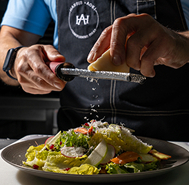
This is where the creative work truly begins, but it’s still grounded in structure. Every recipe is written so it can be replicated precisely, whether by the head chef or a new team member on their first week. That means weighing ingredients rather than relying on rough measurements, and documenting each step clearly enough that consistency doesn’t depend on one person’s memory.
Once a recipe is drafted, it goes through tasting rounds. Adjustments are made, tested again, and refined until the dish is right. Presentation gets the same attention, often testing two plating approaches side by side to see which one actually serves the dish, and the brand, better.
Step 6: Costing the Plate
A dish isn’t finished until it’s been costed properly. Every ingredient from the finalised recipe gets calculated, along with any savings identified earlier through better sourcing or supplier negotiation. This step determines whether a dish that photographs beautifully and tastes incredible can actually hold its place on the menu profitably. Sometimes a favourite dish needs one more adjustment here before it’s ready.
Step 7: Training the Team
A menu doesn’t go live the day the recipes are finalised. It goes live once the team can execute it consistently. Staff need to be trained on preparation, plating, and any shifts in workflow or ordering protocol the new menu requires. Because recipes are built with the team’s actual skill level in mind from the start, this step is usually far smoother than owners expect, it’s reinforcement, not a complete relearning.
Step 8: Monitoring After Launch
The process doesn’t end on launch day. Once the new menu is live, we keep an eye on how it’s performing, how it affects kitchen workflow, food waste, and guest satisfaction. Small tweaks are normal in the weeks after a launch. If the earlier stages were done thoroughly, though, these adjustments stay minor rather than becoming a second redesign.
Why This Process Matters
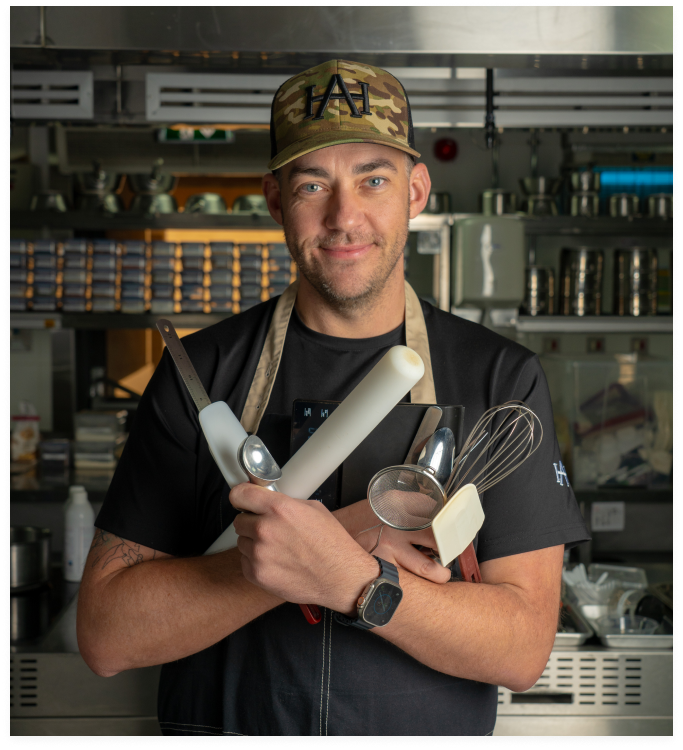
Menu development can feel like a long process, and it is. But every stage exists for a reason: better guest experience, stronger margins, less waste, and a menu that actually reflects the restaurant it belongs to. Done properly, it can even uncover signature dishes worth building an entire brand identity around.
This is the exact process behind our Restaurant Menu Development Service at Harris•Aoki. With years of hands-on experience across kitchens in the GCC, we help restaurants turn a good idea into a menu that performs, service after service. If your menu feels like it’s due for this kind of attention, reach out to our team and let’s get started.
For more information,
Linkedin: Harris Aoki
Instagram: Harris Aoki
Location: Harris Aoki
Contact email: info@harrisaoki.com





No Comment! Be the first one.