






How Pharmaceutical Companies Use MSD Mesoscale Platforms for Drug Development?
Pharmaceutical corporations leverage advanced electrochemiluminescence technology to optimize molecular screening efficiency across complex therapeutic development programs. Implementing the...

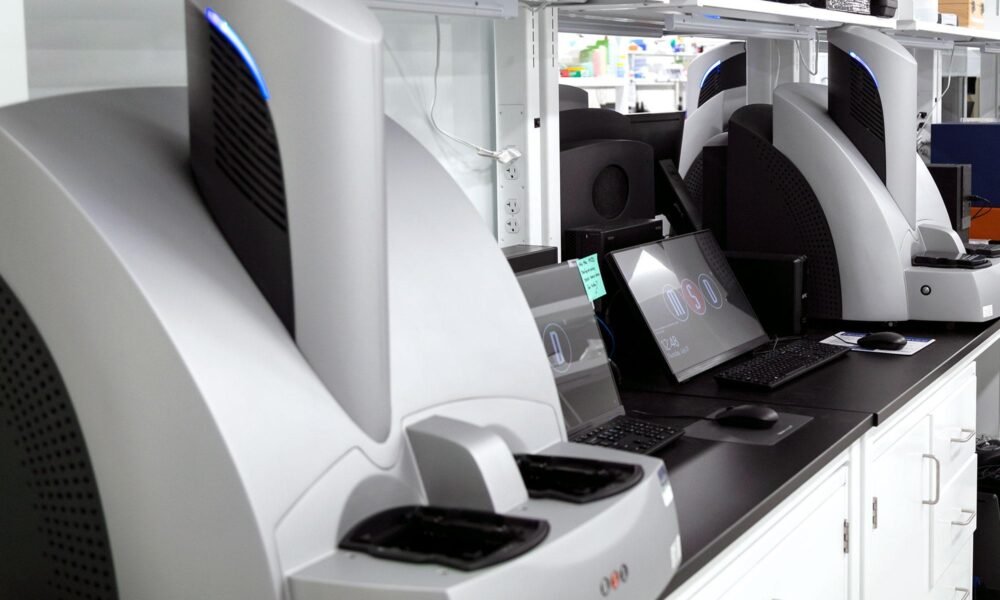
Pharmaceutical corporations leverage advanced electrochemiluminescence technology to optimize molecular screening efficiency across complex therapeutic development programs. Implementing the high-performance MSD mesoscale platform allows scientists to detect low-abundance proteins with extreme analytical precision. These sensitive testing methods provide critical quantitative data on drug mechanism performance and potential interactions with patient tissue. By delivering reproducible multiplexed measurements, these microplate detection networks significantly streamline compound selection cycles. Adopting modern plate platforms establishes a highly dependable baseline for modern precision medicine engineering strategies worldwide.
Table Of Content
Fundamentals of Electrochemiluminescence Assays
The electrochemiluminescence process utilizes electrical stimulation to generate highly stable light signals from specific chemical labels. Pharmaceutical research operations select the Meso Scale Discovery Assay infrastructure for its superior dynamic detection range. This method relies on carbon electrodes embedded directly into the bottom surfaces of multi-well assay plates. When voltage is applied, ruthenium labels undergo cyclic oxidation, producing intense, localized light emission.
Scientists measure these light outputs to determine exact target protein concentrations within complex biological test matrices.
- Custom plate surface coatings maximize antibody-binding capacity to improve overall molecule-capture efficiency during testing.
- Electrical stimulation minimizes background optical noise by eliminating the need for external excitation light sources.
- Multiple isolated spots within a single well allow parallel tracking of diverse chemical targets simultaneously.
- Low sample volume requirements preserve rare clinical specimens throughout multi-phase discovery validation campaigns. Using this specialized MSD assay format ensures that laboratory groups obtain high-quality data with minimal sample input.
Electrochemiluminescence-based MSD assays provide highly sensitive, low-volume, and reliable detection capabilities that strengthen quantitative accuracy in complex bioanalytical workflows.
Multiplex Biomarker Profiling and Inflammation Tracking
Biopharma organizations require high-throughput testing tools to track cellular inflammatory profiles during early compound screening. Traditional plate methods often require large sample inputs and deliver limited dynamic range across separate testing batches. Transitioning to a high-sensitivity MSD ELISA platform enables researchers to measure trace biological responses with confidence. These advanced plate systems resolve traditional testing challenges by combining high specificity with multiplex signaling tracking.
Tracking tiny chemical messengers helps research teams document cellular responses to novel therapeutic small-molecule drugs.
- Multiplexed MSD cytokine panels track dozens of distinct cellular inflammatory markers from a single microplate well.
- Linear calibration curves enable precise quantification of both highly concentrated and sparse signaling protein groups.
- Specialized blocking buffers prevent nonspecific serum proteins from generating false-positive analytical signals during testing.
- High-resolution optical imaging sensors record localized light generation events across multi-spot plates with high precision. Implementing a validated MSD immunoassay workflow enables discovery teams to generate detailed molecular interaction profiles rapidly.
This approach enables faster, more sensitive, and highly reliable inflammation profiling to support early-stage drug discovery decisions.
Must Read: LC-MS Testing Applications in Food Safety and Contaminant Detection
Sample Screening and Bioanalytical Data Processing
Evaluating drug candidates requires robust computational systems capable of processing large volumes of microplate data. Research teams use automated software platforms to perform MSD analysis, converting raw luminescence signals into absolute protein concentrations using validated reference standards. Standardized workflows help maintain efficiency and reduce delays during large-scale screening.
Key automation and data integrity controls include:
- Barcode tracking systems identify and manage individual microplate layouts to prevent sample mix-ups.
- Automated plate washers remove unbound materials through consistent rinsing cycles.
- Secure electronic databases protect raw data from modification or loss.
- Curve-fitting algorithms correct for well-to-well variation across high-throughput datasets.
These integrated systems ensure reliable, traceable results that meet regulatory expectations for bioanalytical data packages.
Enhancing Safety Studies and Preclinical Evaluations
Preclinical evaluation requires detailed assessment of how novel compounds affect vital organ systems. Research teams conduct comprehensive Tox Study to identify early signs of cellular or tissue damage before human trials. Sensitive platforms such as electrochemiluminescence assays enable high-resolution detection of safety biomarkers across animal models.
Monitoring key safety markers helps reduce clinical risk:
- Kidney injury panels detect urinary proteins associated with early renal cell damage during dosing studies.
- Cardiac toxicity markers indicate myocardial stress under high drug exposure conditions.
- Liver function assays measure hepatic enzyme changes linked to metabolism and clearance.
- Vascular inflammation indicators reveal early blood vessel responses before overt symptoms appear.
These detailed safety evaluations support the selection of the least toxic candidates for further drug development.
Conclusion
Pharmaceutical companies utilize electrochemiluminescence platforms to maximize analytical sensitivity, multiplexing capability, and consistency of validation data throughout drug development. These advanced plate systems support discovery pipelines by enabling high-throughput biomarker screening, pharmacokinetic modeling, and preclinical safety profiling. Implementing standardized workflows generates highly reproducible quantitative data packages that satisfy strict global regulatory expectations for therapeutic approvals. By accelerating compound validation and mitigating risk, this specialized testing methodology remains essential for modern biopharmaceutical innovation. Adopting these advanced diagnostic tools ensures that research laboratories efficiently advance safe and effective therapies into clinical environments.






No Comment! Be the first one.