






Top Benefits of Choosing a Teacher Assistant Course Online for Flexible Learning
The education sector continues to create rewarding career opportunities for individuals who enjoy supporting children and helping them succeed in the classroom. As schools increasingly seek skilled...

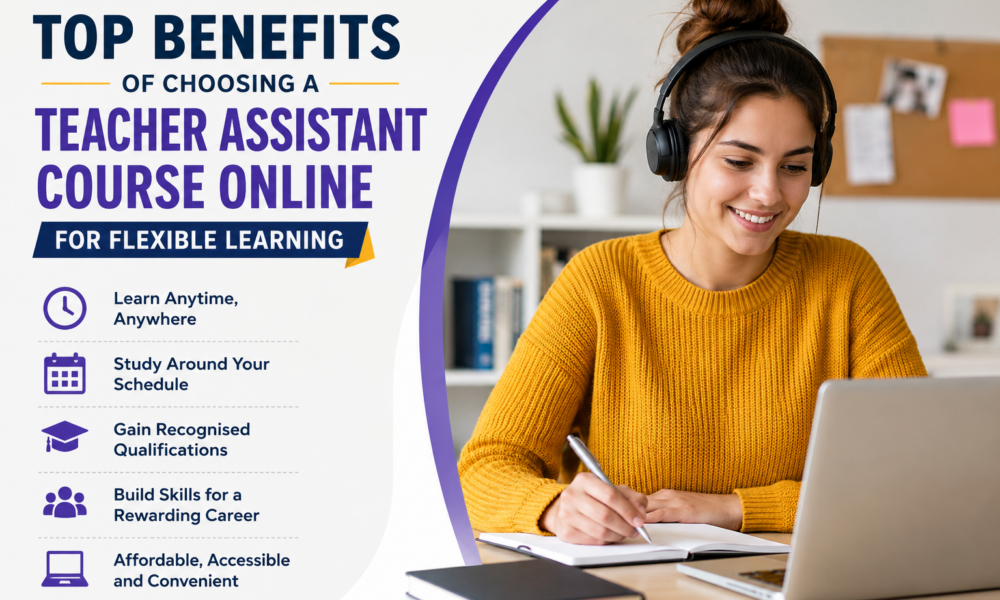
The education sector continues to create rewarding career opportunities for individuals who enjoy supporting children and helping them succeed in the classroom. As schools increasingly seek skilled support staff, many aspiring teaching assistants are turning to online education as a practical way to gain the knowledge and qualifications they need. Choosing a teacher assistant course online allows learners to study around existing commitments while building the confidence and skills required for educational support roles.
Table Of Content
- Learn at Your Own Pace
- Study from Anywhere
- Greater Flexibility for Working Adults
- Build Practical Classroom Knowledge
- Access to Tutor Support
- Recognised Qualifications Improve Employability
- Progress Through Different Qualification Levels
- Cost-Effective Learning
- Develop Digital Skills
- Increased Confidence Before Entering the Classroom
- Opportunities to Support Diverse Learners
- Suitable for Career Changers
- Choosing the Right Course
- Conclusion
- Frequently Asked Questions
- 1. Who can enrol in a teacher assistant course online?
- 2. Can I study while working full-time?
- 3. Are online teaching assistant qualifications recognised?
- 4. What skills will I gain?
- 5. Can completing an online course help improve my employment prospects?
Unlike traditional classroom-based learning, online study offers flexibility, convenience, and access to recognised qualifications from almost anywhere. Whether you’re changing careers, returning to work, or looking to improve your professional credentials, distance learning provides an accessible route into education.
Learn at Your Own Pace
One of the biggest advantages of online learning is the ability to create a study schedule that fits your lifestyle. Many learners have full-time jobs, family responsibilities, or other commitments that make attending fixed classroom sessions difficult.
With an online programme, students can access learning materials whenever it suits them. Early mornings, evenings, or weekends become valuable study opportunities without disrupting work or personal responsibilities. This flexibility helps reduce stress while allowing learners to progress comfortably through each module.
Self-paced learning also gives students extra time to revisit challenging topics, ensuring they fully understand important concepts before moving forward.
Study from Anywhere
Modern online learning removes geographical barriers. Instead of travelling to a training centre, learners can complete coursework from home or any location with internet access.
This convenience eliminates commuting costs and saves valuable time. For individuals living in rural areas or those with limited access to local training providers, online education creates opportunities that may not otherwise be available.
Many reputable providers also offer digital learning platforms where course resources, assessments, and tutor support are available in one convenient location.
Greater Flexibility for Working Adults
Career changers often need qualifications without giving up their current employment. Flexible online learning allows them to continue earning while studying.
Parents also benefit significantly because study sessions can fit around school runs, childcare, and family routines. Instead of rearranging daily life, learners can integrate education into their existing schedule.
This balance makes professional development more achievable for a wider range of people.
Build Practical Classroom Knowledge
Although learning takes place online, quality programmes focus on practical classroom skills that employers value.
Students typically develop knowledge in areas such as:
- Supporting teaching and learning
- Child development
- Classroom communication
- Behaviour management
- Safeguarding awareness
- Inclusive learning practices
- Supporting pupils with additional needs
These topics prepare learners to contribute positively within primary, secondary, or specialist educational settings.
Access to Tutor Support
Online learning does not mean studying alone. Many established training providers offer dedicated tutor guidance throughout the course.
Learners can ask questions, receive assignment feedback, and gain clarification whenever needed. Having experienced tutors available helps maintain motivation while ensuring students remain confident in their progress.
Quality support can make a significant difference, particularly for learners returning to education after several years.
Recognised Qualifications Improve Employability
Choosing an accredited programme is essential when preparing for a career in education. Recognised qualifications demonstrate that learners have completed structured training aligned with professional standards.
Many employers appreciate candidates who have invested in developing relevant classroom knowledge before applying for teaching assistant positions.
Providers such as UK Open College offer recognised online teaching assistant qualifications across multiple levels, allowing learners to choose programmes suited to their experience and career goals. Their online platform also enables students to study flexibly while accessing tutor support throughout their learning journey.
Progress Through Different Qualification Levels
Not everyone begins their educational journey with the same level of experience. Some learners are complete beginners, while others already work within schools.
A major benefit of online learning is the availability of progression pathways. Learners can often begin with introductory qualifications before moving to Level 2, Level 3, or even Higher Level Teaching Assistant programmes as their careers develop.
This structured progression supports long-term career development without requiring learners to interrupt employment.
Cost-Effective Learning
Studying online often reduces expenses associated with traditional education.
Learners typically save money on:
- Daily travel
- Parking
- Printed materials
- Accommodation
- Time away from work
Many providers also offer flexible payment options, making professional qualifications more financially accessible.
Develop Digital Skills
Online education naturally strengthens digital literacy.
Throughout their studies, learners become comfortable using:
- Virtual learning environments
- Digital resources
- Online communication tools
- Assignment submission systems
- Educational technology
These transferable skills are increasingly valuable within modern schools, where technology plays an important role in classroom learning and administration.
Increased Confidence Before Entering the Classroom
Many aspiring teaching assistants feel nervous about working in schools for the first time.
A structured teacher assistant course online helps build confidence by introducing learners to classroom expectations, professional responsibilities, and effective support strategies before they begin employment.
Understanding how schools operate enables new teaching assistants to adapt more quickly once they enter a real educational environment.
Opportunities to Support Diverse Learners
Today’s classrooms include pupils with different learning styles, backgrounds, and additional support needs.
Online teaching assistant programmes often introduce learners to inclusive education practices and strategies for supporting children with varying educational requirements.
This knowledge helps future teaching assistants contribute positively to inclusive classroom environments while supporting both teachers and pupils effectively.
Suitable for Career Changers
Many people enter education after working in completely different industries.
Transferable skills such as communication, organisation, teamwork, patience, and problem-solving can all prove valuable within schools.
An online qualification provides the educational foundation needed to combine existing workplace experience with classroom-specific knowledge, making career transitions smoother and more achievable.
Choosing the Right Course
When selecting a training provider, learners should consider factors including accreditation, tutor support, course content, flexibility, and progression opportunities.
Providers like UK Open College offer a range of online qualifications designed for beginners through to experienced teaching assistants, helping learners choose programmes that align with their professional ambitions.
Investing time in researching course options helps ensure learners select a qualification that supports both immediate employment goals and future career progression.
Conclusion
Flexible online education has transformed how aspiring teaching assistants prepare for careers in schools. A teacher assistant course online offers convenience, recognised qualifications, practical knowledge, and the freedom to study alongside work and family commitments.
For individuals seeking an accessible pathway into education, online learning provides an effective solution that combines flexibility with professional development. By selecting an accredited provider and committing to continuous learning, future teaching assistants can build the confidence and expertise needed to make a meaningful contribution in today’s classrooms.
Frequently Asked Questions
1. Who can enrol in a teacher assistant course online?
Most online teaching assistant courses are suitable for adults interested in supporting teaching and learning, whether they have previous classroom experience or are completely new to education.
2. Can I study while working full-time?
Yes. One of the biggest advantages of a teacher assistant course online is the flexibility to study around work, family, and other personal commitments.
3. Are online teaching assistant qualifications recognised?
Many reputable providers offer nationally recognised qualifications. Always check that the course is accredited before enrolling.
4. What skills will I gain?
Students typically learn classroom support techniques, safeguarding, communication, child development, behaviour management, and inclusive education practices.
5. Can completing an online course help improve my employment prospects?
A recognised qualification can strengthen your CV by demonstrating relevant knowledge and commitment to working within the education sector, alongside any practical experience you gain.





No Comment! Be the first one.