






Smart Storage Habits That Help Protect Your Ski Equipment
Winter sports offer unforgettable experiences, from fresh-powder runs to scenic mountain landscapes. Behind every enjoyable day on the slopes stands a collection of carefully maintained equipment...

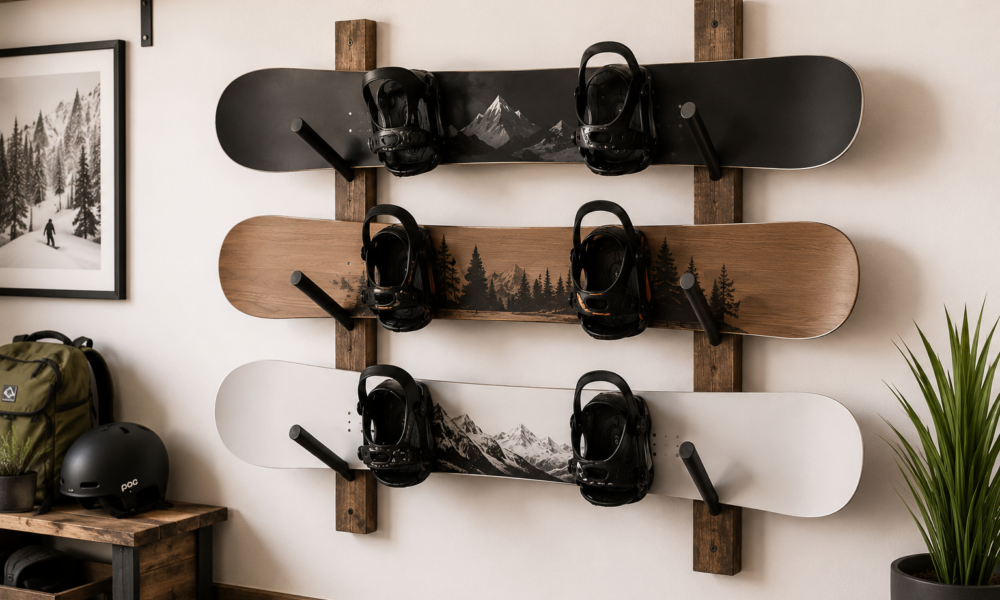
Winter sports offer unforgettable experiences, from fresh-powder runs to scenic mountain landscapes. Behind every enjoyable day on the slopes stands a collection of carefully maintained equipment that supports both safety and performance. Skis, poles, boots, helmets, and accessories represent a considerable investment, making proper storage an important part of every skier’s routine.
Many people focus on waxing skis or sharpening edges while overlooking how equipment is stored before and after each trip. Poor storage creates clutter, increases wear, and raises the chances of accidental damage. A well-planned storage system keeps equipment organized, extends its lifespan, and makes every trip easier to prepare for.
Whether you ski every weekend or enjoy a seasonal vacation, creating a dedicated storage space benefits both your equipment and your overall skiing experience.
Why Proper Ski Storage Deserves More Attention?
Modern skis combine lightweight materials with advanced engineering to deliver exceptional performance across varying snow conditions. While these innovations improve handling and durability, they also increase replacement costs. A single pair of high-performance skis, along with bindings and boots, often represents a significant financial investment.
Proper storage protects that investment throughout the year. Leaving skis on damp garage floors, stacking them in crowded closets, or leaning them against walls exposes them to scratches, moisture, and accidental impacts.
A dependable ski storage rack creates a designated place where equipment remains secure, organized, and ready for the next adventure.
Good storage also simplifies everyday life. Instead of searching through clutter before an early morning drive to the mountains, every piece of equipment stays exactly where it belongs.
The Benefits of Organized Equipment Storage
Organization goes beyond creating a tidy garage. A structured storage system protects equipment from unnecessary wear while making seasonal preparation far more efficient.
Installing a ski rack wall keeps skis elevated and separated from other gear. This arrangement reduces pressure on bindings, prevents edge contact, and minimizes accidental damage caused by falling equipment.
Additional benefits include:
- Improved airflow around stored skis.
- Reduced exposure to moisture.
- Better use of vertical wall space.
- Faster access before ski trips.
- Cleaner garages and storage rooms.
Families with several pairs of skis especially appreciate organized storage because each family member has a dedicated place for their equipment.
Storage Supports Equipment Performance
Many skiers understand the importance of tuning, waxing, and drying their skis. Storage complements these maintenance habits by protecting equipment between outings.
After every ski day, moisture remains on ski bases, bindings, and edges. Allowing equipment to dry before returning it to a ski storage rack helps prevent rust while preserving metal components.
Storage also enables quick inspections. As you place skis on the rack, you naturally notice loose bindings, damaged edges, or worn brake components before they become larger problems on the mountain.
These small maintenance routines save time while reducing the need for expensive repairs later in the season.
Make Better Use of Available Space
Storage challenges affect homes of every size. Garages often hold bicycles, gardening tools, camping equipment, and seasonal decorations alongside winter sports gear. Without an organized system, skis quickly become difficult to manage.
A thoughtfully designed ski rack wall transforms unused vertical space into practical storage. Rather than occupying valuable floor space, skis remain safely mounted, protected, and easily accessible.
Wall-mounted systems also improve safety by reducing tripping hazards and preventing equipment from falling unexpectedly. Homes with children or pets benefit especially from keeping sharp ski edges securely off the floor.
Even small storage areas become more functional when vertical organization replaces piles of equipment.
Different Storage Needs Require Flexible Solutions
Every skier follows a unique routine. Some travel several times each week throughout the season, while others reserve skiing for annual vacations. Storage needs vary just as much.
Individual skiers often need space for one or two pairs of skis, whereas families may need storage for multiple pairs of skis, poles, snowboards, helmets, and boots. Choosing a flexible storage system allows equipment collections to grow without creating clutter.
Many storage solutions accommodate different ski lengths and widths while remaining easy to install in garages, mudrooms, vacation homes, or ski cabins. Selecting a durable rack designed for long-term use provides reliable organization season after season.
A quality ski storage rack supports both convenience and equipment protection, making it an essential addition to any skier’s home.
Protect Equipment Beyond the Ski Season
Many skiers focus on equipment care during winter while overlooking the importance of offseason storage. Once the snow melts, skis often end up in basements, garages, or storage closets where temperature changes, humidity, and clutter may affect their condition.
Preparing equipment for long-term storage begins with a thorough cleaning. Remove dirt, salt, and moisture from the bases and bindings before storing your skis. Applying a layer of storage wax also helps protect the bases during the warmer months.
After maintenance, place your skis on a wall rack rather than leaving them on the floor or stacking them with other equipment. Keeping skis elevated reduces unnecessary pressure on the bindings and protects the edges from accidental contact with tools, bicycles, or heavy storage boxes.
This simple routine helps preserve performance and shorten preparation time when the next ski season arrives.
Organized Storage Encourages Better Maintenance
Equipment that remains visible is more likely to receive regular care. When skis disappear into crowded storage areas, small maintenance issues often go unnoticed until the first trip of the new season.
A dedicated ski storage rack creates an organized display, keeping each pair easy to inspect. Routine visual checks help identify worn bindings, loose screws, chipped edges, or damaged brakes before they affect safety on the slopes.
Good maintenance habits include:
- Drying skis after every outing.
- Inspecting bindings regularly.
- Checking edges for rust or burrs.
- Cleaning debris from bindings.
- Reapply wax throughout the season.
- Confirming that poles and accessories remain in good condition.
Completing these tasks takes only a few minutes and contributes to consistent performance throughout the winter.
Why Vertical Storage Makes Sense?
Floor space is often one of the most valuable areas in a garage or mudroom. Seasonal equipment, gardening supplies, bicycles, and outdoor tools compete for the same limited space, making organization increasingly difficult.
Installing a ski rack wall uses otherwise unused vertical surfaces, creating a cleaner and more efficient storage environment. Wall-mounted systems help separate skis from everyday household traffic, reducing accidental bumps and scratches.
Vertical storage also improves accessibility. Rather than moving several items before reaching your skis, you simply remove the pair you need and are ready to go.
For households with multiple skiers, this organization eliminates confusion while making it easier for everyone to return equipment to its designated location after every outing.
Storage Solutions for Families and Groups
Families often accumulate several sets of skis as children grow and interests expand. Friends who share vacation homes or ski clubs that organize regular outings also face similar storage challenges.
A larger ski storage rack helps organize equipment efficiently without overcrowding available space. Grouping skis by family member, size, or intended use creates an organized system that simplifies preparation before every trip.
Additional storage accessories may include:
- Helmet hooks
- Pole holders
- Boot shelves
- Glove and goggle storage
- Shelves for wax and maintenance supplies
Bringing these items together in one organized area creates a complete winter sports station, keeping every essential item within easy reach.
Storage Helps Preserve Equipment Value
Well-maintained equipment often retains greater resale value than gear showing signs of neglect. Many skiers upgrade to newer models every few seasons, making proper care an investment that extends beyond performance.
A clean appearance, rust-free edges, and properly functioning bindings make used skis more attractive to potential buyers. Storing equipment on a ski rack wall, rather than leaving it exposed to moisture or impact, helps preserve both appearance and functionality.
Careful storage also reduces the likelihood of cosmetic damage that may lower resale value. Scratches, chipped topsheets, and bent brakes frequently result from poor organization rather than regular skiing.
Protecting your skis year-round allows you to enjoy better performance today while maintaining their long-term value.
Simple Habits That Make a Lasting Difference
Protecting ski equipment does not require complicated routines or expensive maintenance schedules. Small, consistent habits often deliver the greatest benefits throughout the life of your gear.
Developing a checklist after every ski trip helps keep equipment in excellent condition. Dry your skis thoroughly, inspect them for visible damage, clean away dirt and road salt, and return them to a dedicated ski storage rack. These steps require only a few minutes, yet they significantly reduce long-term wear.
Consistency matters more than perfection. Skis that receive regular care remain dependable season after season, offering reliable performance whenever fresh snow arrives.
Experienced skiers often treat storage as part of their overall maintenance routine rather than as an afterthought. This mindset protects both the equipment and the investment it represents.
Storage Considerations for Vacation Homes
Many ski enthusiasts own or rent mountain cabins where equipment remains stored between visits. Vacation homes introduce additional challenges because changing temperatures and varying humidity levels may affect stored gear.
A sturdy ski rack wall helps organize skis while keeping them elevated above cold concrete floors or damp entryways. Positioning the rack in a dry, well-ventilated area protects bases, bindings, and edges from prolonged exposure to moisture.
If equipment remains unused for several months, inspect it before your next ski trip. Confirm that bindings operate correctly, remove any dust or debris, and check for signs of corrosion before heading to the slopes.
Maintaining organized storage in vacation properties also makes arrivals and departures more convenient. Every item has a designated location, reducing packing time and minimizing the risk of forgotten equipment.
Keep Accessories Organized Too
Skis are only one part of your winter sports setup. Boots, helmets, goggles, gloves, poles, and outerwear also benefit from thoughtful organization.
Creating a complete storage station around your ski storage rack improves efficiency before every outing. Storing related equipment together means less time searching for missing gloves or untangling pole straps on busy mornings.
Consider organizing accessories by category:
- Boots are placed on ventilated shelves after drying.
- Helmets should be stored away from direct sunlight.
- Goggles kept in protective cases.
- Gloves dried completely before storage.
- Poles secured alongside skis.
- Maintenance supplies are stored in labeled containers.
An organized storage area also encourages regular cleaning, helping equipment last longer and remain ready for changing snow conditions.
Choosing a Storage System That Lasts
Not every storage solution offers the same level of durability or convenience. Selecting a rack built from high-quality materials ensures reliable performance over years of seasonal use.
When evaluating a ski rack wall, consider factors such as:
- Strength and weight capacity.
- Ease of installation.
- Protection for ski edges and topsheets.
- Compatibility with different ski widths.
- Expandability for growing equipment collections.
- Resistance to moisture and changing temperatures.
A durable storage system remains useful whether your collection includes racing skis, powder skis, touring equipment, or children’s gear. Investing in dependable storage reduces replacement costs while keeping your equipment organized as your needs evolve.
Good Storage Supports Safer Skiing
Well-maintained equipment contributes to a safer experience on the mountain. Skis that remain clean, dry, and properly stored are easier to inspect before every outing, allowing you to identify worn bindings, damaged brakes, or edge issues before they affect performance.
Returning your skis to a ski storage rack after each trip creates a natural opportunity for these quick inspections. Instead of discovering problems at the resort parking lot, you address them well before your next adventure.
Safe skiing begins long before you reach the lift. Organized storage, routine maintenance, and careful equipment handling work together to support confident performance throughout the winter season.
By making storage an essential part of your skiing routine, you protect your investment while creating a more enjoyable and stress-free experience every time you head to the mountains.
The Environmental Benefits of Organized Equipment Care
Proper ski storage does more than protect your investment—it also supports a more sustainable approach to winter sports. Extending the life of your equipment reduces the need for frequent replacements, helping conserve the raw materials and energy required to manufacture new skis and accessories.
When skis remain clean, dry, and properly stored, they experience less wear from rust, impact, and poor handling. A durable ski storage rack helps preserve their condition by keeping them elevated, organized, and away from unnecessary hazards. Equipment that lasts longer reduces waste and encourages responsible consumption.
Regular maintenance also reduces the likelihood of having to replace small components that deteriorate due to neglect. Simple habits such as drying bindings, inspecting edges, and storing skis correctly help keep equipment performing efficiently for many seasons.
Building a Routine That Works Every Time
Good organization becomes effortless when it turns into a habit. Rather than treating storage as a task reserved for the end of the season, make it part of your routine after every ski trip.
A practical post-ski checklist may include:
- Remove dirt and moisture from skis and bindings.
- Allow equipment to dry naturally before storing it.
- Inspect edges and bases for visible damage.
- Return skis to a ski rack wall.
- Store boots, poles, and helmets in their designated locations.
- Restock maintenance supplies if needed.
Following the same process after every outing keeps equipment organized while reducing preparation time before your next trip. It also minimizes the chance of overlooking maintenance issues that could affect performance later in the season.
Preparing for the Next Adventure
Nothing feels better than leaving for the mountains knowing every piece of equipment is clean, organized, and ready to perform. Proper storage eliminates the last-minute rush to locate missing gear or inspect neglected skis before an early departure.
An organized storage area also makes it easier to adapt to changing conditions. Whether you choose carving skis for groomed runs or wider skis after a snowfall, a dedicated ski storage rack keeps every option visible and accessible.
Planning allows you to focus on the experience rather than equipment logistics. More time on the slopes and less time searching through clutter creates a smoother start to every adventure.
Why Smart Storage Pays Off?
Investing in quality ski equipment deserves an equally thoughtful approach to storage. Organized systems protect your gear from unnecessary damage, simplify maintenance, and make every ski trip more enjoyable.
A reliable ski rack wall transforms unused wall space into an efficient storage solution that keeps skis secure, accessible, and protected year-round. Combined with regular cleaning and inspections, proper storage helps preserve both performance and appearance.
These practices benefit beginners and experienced skiers alike. Regardless of how often you visit the mountains, keeping your equipment organized reduces stress and helps you get the most value from every purchase.
Well-maintained equipment rewards careful ownership with years of dependable performance.
Conclusion
Skiing is more enjoyable when your equipment is ready for every adventure. Proper storage protects your investment, improves organization, and supports long-term performance without requiring complicated routines.
Adding a dependable ski storage rack to your home creates a dedicated space where your skis remain clean, accessible, and protected between outings. Pairing that organization with a durable ski rack wall maximizes available space while reducing clutter and preventing accidental damage.
Small habits—drying your skis, inspecting them regularly, and storing them correctly deliver lasting benefits season after season. Whether you ski every weekend or plan an annual mountain getaway, thoughtful storage helps preserve your equipment, simplifies every trip, and allows you to spend more time enjoying the snow and less time worrying about your gear.







No Comment! Be the first one.