






Top Industries Benefiting Most From Installing Robotic Forklift Automation in Warehouses
The process of warehousing has undergone significant changes in recent times owing to factors such as changing consumer demands, a lack of skilled workers, and the need for efficiency. Companies...

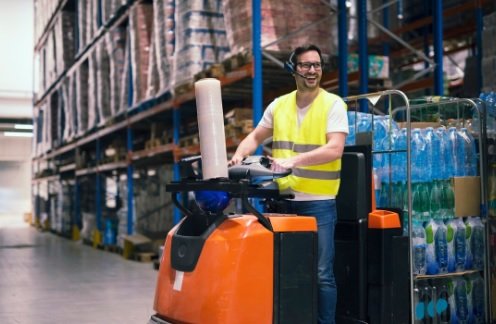
The process of warehousing has undergone significant changes in recent times owing to factors such as changing consumer demands, a lack of skilled workers, and the need for efficiency. Companies today have been incorporating technology into their internal logistics processes to increase efficiency and improve worker safety. One such innovation includes warehouse automation, which is being used as an efficient method of ensuring increased efficiency over time.
Table Of Content
- The Growing Importance of Warehouse Automation
- E-commerce and Retail
- Manufacturing and Industrial Production
- Why Manufacturing Benefits from Robotic Forklift Automation
- Food and Beverage Distribution
- Pharmaceutical and Healthcare Logistics
- Third-Party Logistics Providers
- Driving Smarter Warehouses: How Addverb Powers Automation Across Industries
- Conclusion
The implementation of the robotic forklift is one innovation that stands out in recent times. These innovative machines are capable of moving products without requiring much input from humans. They are able to work continuously and ensure improved accuracy and worker safety. This makes them very important in optimising industrial processes today.
The Growing Importance of Warehouse Automation
Modern warehouses need to accommodate more inventory while maintaining speed and accuracy. Manual systems find it difficult to cater to these demands all the time. Technologies that can automate business operations play an important role in helping organisations overcome these issues.
Advantages of using these systems include:
- Greater efficiency in operations
- Decreased reliance on manual labour
- Safety within the work environment
- Improved inventory management and control
- Greater scalability during peak times
Consequently, several industries have decided to use automated material handling systems for their warehousing needs.
E-commerce and Retail
No other business has seen such rapid growth as that of e-commerce. Consumers today demand quicker deliveries and efficient order fulfilment, which means that retailers need quick and efficient warehouse operations.
A robotic forklift helps to achieve this purpose by taking care of repetitive transportation tasks at distribution centres, thus allowing employees to concentrate on other work while the goods move through different areas of storage and delivery.
Advantages for the retail industry include:
- Faster processing of orders
- Less delay in fulfilling orders
- Improved accuracy of stocks
- Increased flexibility during peak seasons
Warehouse automation is still a wise investment for retailers as the volume of online purchases keeps growing.
Manufacturing and Industrial Production
Production plants rely on a continuous flow of materials. Any delays associated with the transportation of raw materials or goods produced may interfere with their production schedule.
The use of automation is instrumental in ensuring consistency in manufacturing plants. Robotic forklifts effectively move components, final goods, and raw materials between various manufacturing and storage locations. They reduce manual intervention while streamlining internal workflows as part of a larger automated material handling system.
Why Manufacturing Benefits from Robotic Forklift Automation
Production plants have tight production timetables in which constant movement of raw materials, components, and finished products plays an important role. The use of robot forklifts helps ensure steady movement of materials from storage to production and to dispatch areas without any interruptions.
The advantages for the manufacturing sector are:
- Increased speed of transporting raw materials and finished products
- Reduction of production stops caused by transport delays
- Increase in workplace safety due to less number of manual forklifts used
- Better load transportation
The increased efficiency and speed of internal material movement due to robotic forklifts helps the manufacturers to conduct the production process effectively.
Food and Beverage Distribution
Pallet transportation in the food and beverage industry is important, and involves the need for efficient movement, with adherence to hygiene standards and deliveries being on time. The use of robotic forklifts facilitates the movement of pallets from areas such as receiving, storage, cold rooms, and dispatch.
The advantages that come with the use of robots in pallet transportation include:
- Effective transport of pallets in cold rooms
- Reduction in product damage through effective handling
- Inventory replenishment
- Continuous working 24 hours a day
With automation of repetitive tasks, the work process becomes efficient.
Pharmaceutical and Healthcare Logistics
Traceability and accuracy are very important for pharmaceutical logistics operations. Mistakes in the handling of such products can lead to serious problems.
Warehousing automation allows pharmaceutical firms to have more control over their inventories. By minimising manual intervention, organisations will be able to enhance their efficiency as well.
Third-Party Logistics Providers
Third-party logistics firms have to cater to the varied needs of their clients who come from different industries. Efficiency, flexibility, and the capability to scale up fast constitute key elements of their success.
Forklift automation enables logistics companies to deal with varying demands without sacrificing the quality of their services. The adoption of an automated material handling system will make communication among the warehousing processes even easier.
Benefits for logistics firms include:
- Increased productivity
- Effective use of storage facilities
- More consistent operations
- Greater responsiveness to client requests
Automation can offer a significant edge to businesses in the cutthroat logistics marketplaces.
Driving Smarter Warehouses: How Addverb Powers Automation Across Industries
Addverb offers end-to-end automation solutions for warehouses, enabling companies to achieve efficient operations and optimise material movements while being flexible to meet supply chain requirements. The company’s automation products include robotics, software, storage, and autonomous products intended to help manage warehouse operations in various industries.
FlowT is a robotic forklift from Addverb aimed at automating pallet movement and material handling in warehouses. Combining the product with other automation solutions for warehouses allows improving efficiency, minimising manual activities, increasing safety, and increasing throughput capacity of the facilities.
Conclusion
Automation in warehouses is no longer confined to just a few leading companies. The use of automation technology in various sectors including retail, manufacturing, logistics, and health care, among others, is becoming a necessity for efficiency and productivity improvements. The increased use of robotic forklifts is one example. As companies embrace automation, there are companies like Addverb Technologies that continue to provide solutions.





No Comment! Be the first one.