






How Do Geodesic Domes Support Phased Expansion in Hospitality Projects?
Growth in hospitality is rarely a one-step move. Smart operators build in phases. They test demand, refine the experience, and then scale. That is exactly where a glamping dome model starts to shine....

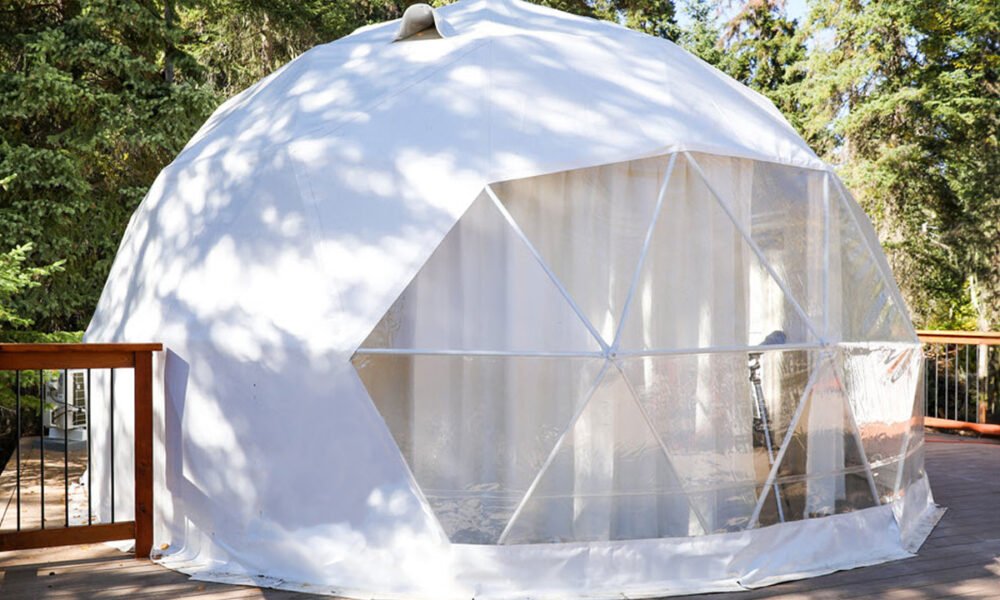
Growth in hospitality is rarely a one-step move. Smart operators build in phases. They test demand, refine the experience, and then scale. That is exactly where a glamping dome model starts to shine.
For glamping developers, resort owners, and Airbnb operators, geodesic domes offer a practical way to expand without overcommitting upfront. They make it easier to move from concept to revenue, one step at a time.
Why Phased Expansion Matters More Than Ever
Jumping straight into a large-scale build can be risky. Market demand shifts. Guest preferences change. And capital gets locked in too early.
Phased expansion solves that problem. You start small, validate the concept, and grow based on real performance data.
This approach reduces financial pressure. It also gives operators room to adjust pricing, design, and positioning before scaling further.
Faster Setup Means Faster Market Testing
Time plays a huge role in early-stage hospitality projects.
Traditional construction takes time. Permits, labor, and site work can stretch timelines. That delays revenue.
Domes, on the other hand, can be installed much faster. This allows operators to launch their first units quickly and start attracting guests.
Once bookings begin, real insights start coming in. That data becomes the foundation for the next phase of expansion.
Lower Initial Investment, Higher Flexibility
Phased growth works best when the initial investment is manageable.
Domes support that model well. Instead of building dozens of rooms at once, operators can begin with a few units.
This lowers risk. If demand exceeds expectations, adding more units becomes a natural next step. If adjustments are needed, changes can be made without major losses.
That flexibility is especially valuable for new glamping sites or emerging Airbnb destinations.
Scalable Design That Keeps the Experience Consistent
Consistency is key when scaling a hospitality brand.
With geodesic domes, the design language remains uniform across all phases. Each new unit can match the original concept in structure and aesthetics.
This helps maintain brand identity as the property grows. Guests know what to expect, and that builds trust over time.
At the same time, operators can introduce small upgrades in later phases. Better interiors, added amenities, or improved layouts. So the experience keeps evolving without losing its core appeal.
Site Planning Becomes More Adaptable
Large construction projects often require finalizing the entire site layout upfront.
That is not always ideal. Conditions change. Guest flow patterns become clearer only after operations begin.
Domes allow more flexibility in site planning. Units can be added gradually, based on how the space is actually used.
For example, if guests prefer certain views or areas, future domes can be placed accordingly. This leads to better utilization of the land over time.
Easier Expansion into Remote or Challenging Locations
Some of the best hospitality locations are not easy to build on.
Remote hillsides, forests, or desert landscapes often come with logistical challenges. Traditional construction in these areas can be slow and expensive.
Domes offer a simpler alternative. Their modular nature makes transportation and installation more manageable.
This allows operators to expand in phases even in locations where conventional builds would be difficult.
Operational Learning Improves Each Phase
One big advantage of phased expansion is learning.
The first few units act as a live test. Operators get real feedback on what works and what does not.
Maybe guests want more privacy. Maybe they expect better insulation. Maybe certain amenities drive higher ratings.
These insights can be applied to future phases. Each new set of domes becomes more refined and aligned with guest expectations.
Over time, the property becomes stronger and more competitive.
Supporting Diverse Revenue Streams
Phased expansion is not just about adding more rooms.
It also opens the door to new revenue streams. As the property grows, operators can introduce additional offerings.
Think wellness spaces, dining areas, or event setups. Domes can be used for more than just accommodation.
This flexibility allows operators to diversify income while keeping the overall design cohesive.
Choosing the Right Partner for Long-Term Growth
Not all dome systems are built for scalability.
Durability, insulation, and customization options play a big role in long-term performance. Poor-quality structures can create maintenance issues that slow down expansion.
That is why many operators evaluate experienced manufacturers like Luna Glamping when planning phased projects.
A reliable partner ensures that each expansion stage aligns with the original vision and operational goals.
The Bigger Picture for Hospitality Developers
Phased expansion is not just a strategy. It is a mindset.
It allows hospitality businesses to grow with confidence. Instead of guessing the market, operators respond to it.
A well-planned glamping dome setup supports that journey. It combines speed, flexibility, and scalability in a way that traditional builds often cannot match.
For developers and operators looking to build smart and grow steadily, geodesic domes offer a clear path forward.



No Comment! Be the first one.